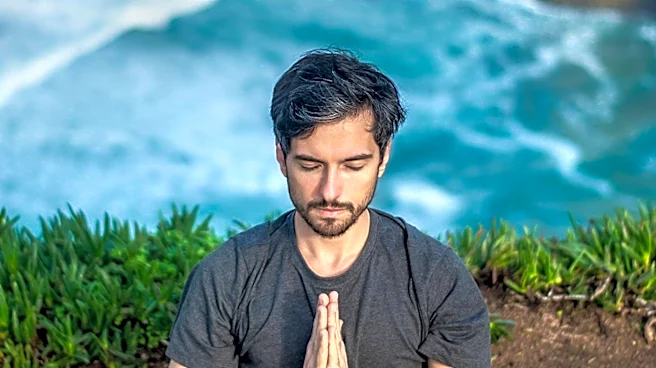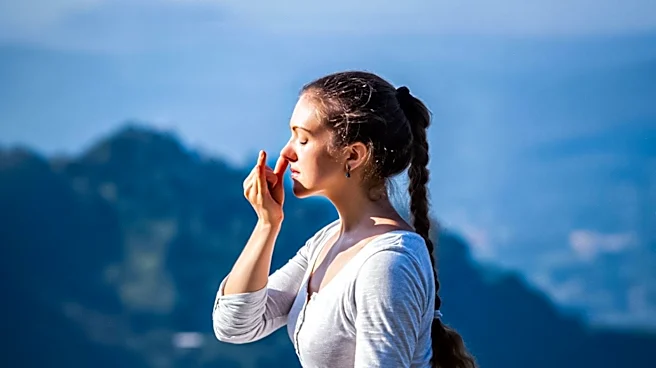

Meditation centers are more than just places for quiet reflection; they are comprehensive facilities designed to support a holistic approach to well-being. These centers offer a variety of amenities that
cater to the diverse needs of their visitors, enhancing the overall meditation experience. From meditation halls to spas and lodges, each facility plays a unique role in promoting relaxation and mindfulness.
Meditation Halls: The Heart of the Center
At the core of any meditation center is the meditation hall. This space is dedicated to the practice of meditation, whether individually or in groups. The design of these halls is focused on creating a serene and distraction-free environment, allowing practitioners to concentrate fully on their meditation.
Meditation halls are often spacious and minimally decorated, emphasizing simplicity and tranquility. The quiet atmosphere is conducive to deep meditation, helping individuals achieve a state of mental clarity and peace. These halls are the primary venue for meditation sessions, workshops, and retreats, making them an essential component of any meditation center.
Additional Facilities for Enhanced Relaxation
Beyond meditation halls, many centers offer additional facilities that complement the meditation experience. Spas are a common feature, providing treatments such as massages and aromatherapy that promote relaxation and rejuvenation. These services are designed to enhance the benefits of meditation by addressing physical tension and stress.
Lodges are another important facility, offering comfortable accommodations for visitors who wish to extend their stay. By providing a place to rest and recharge, lodges allow individuals to fully immerse themselves in the meditative environment. This extended stay can be particularly beneficial for those participating in multi-day retreats or intensive meditation programs.
The Role of Museums and Restaurants
Some meditation centers also include museums and restaurants, adding an educational and social dimension to the experience. Museums often feature exhibits related to the history and practice of meditation, providing visitors with a deeper understanding of its cultural and spiritual significance.
Restaurants offer healthy and nourishing meals that align with the principles of mindfulness and well-being. By serving nutritious food, these dining facilities support the physical health of visitors, complementing the mental benefits of meditation. Together, museums and restaurants enrich the overall experience, making meditation centers a destination for learning and community.
In summary, the diverse facilities of meditation centers are designed to support a comprehensive approach to well-being. By offering a range of amenities, these centers cater to the varied needs of their visitors, enhancing the meditation experience and promoting a balanced lifestyle. Whether through meditation halls, spas, or educational exhibits, each facility contributes to the center's mission of fostering relaxation and mindfulness.