




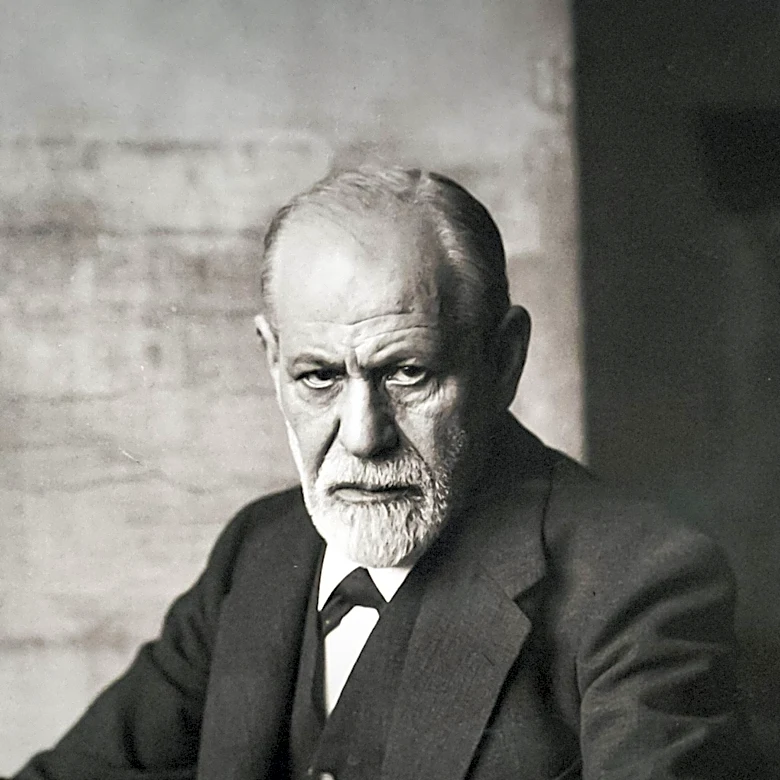



Peter Gollwitzer, a prominent German psychologist, has made significant contributions to the field of psychology through his development of various models of action control. His work has focused on understanding how goals and plans influence cognition, emotion, and behavior. Among his notable contributions are the Mindset Theory of Action Phases, the Rubicon Model of Action Phases, and the concept of implementation intentions.
The Rubicon Model of Action Phases
One of Gollwitzer's key
contributions is the Rubicon Model of Action Phases, developed in collaboration with Heinz Heckhausen. This model distinguishes between motivational and volitional processes in goal-directed behavior. It outlines four distinct phases: the pre-decisional phase, the pre-actional phase, the action phase, and the post-actional phase.
The Rubicon Model emphasizes the transition from motivation to action, highlighting the importance of commitment to a chosen goal. Once individuals cross the metaphorical Rubicon, they move from deliberation to implementation, focusing on executing their plans. This model has provided valuable insights into the psychological mechanisms underlying goal pursuit and has been widely applied in various fields, including educational and organizational psychology.
Implementation Intentions and If-Then Plans
Gollwitzer's research on implementation intentions has further advanced our understanding of action control. Implementation intentions are specific plans that outline how individuals will achieve their goals, often taking the form of if-then plans. These plans specify the actions to be taken in response to particular situations or cues, enhancing the likelihood of goal attainment.
By forming implementation intentions, individuals can effectively bridge the gap between intention and action. This approach has been shown to increase the likelihood of taking action, particularly in challenging or uncertain situations. Gollwitzer's work on implementation intentions has been instrumental in developing behavior change interventions that are both time and cost-effective.
Gollwitzer's Impact on Psychology
Peter Gollwitzer's contributions to psychology extend beyond his theoretical models. His experimental research has delineated the psychological mechanisms of action control and identified various moderators that influence goal pursuit. His work has also informed the development of behavior change interventions, rooted in the mental contrasting theory of goal pursuit proposed by Gabriele Oettingen.
Gollwitzer's impact on the field is further evidenced by his numerous awards and recognitions, including the Max Planck Research Award and the TransCoop Award. As a professor of psychology at New York University, he continues to influence the field through his research and teaching, inspiring future generations of psychologists to explore the complexities of goal-directed behavior.