


The 2,000-yard club represents one of the most exclusive and revered achievements for a running back in the National Football League. Since the league's founding in 1920, only a select group of nine players have managed to rush for 2,000 yards or more in a single regular season. This milestone is not merely a statistical benchmark; it signifies a season of unparalleled dominance, durability, and skill, placing these athletes among the greatest rushers
in NFL history. Reaching this mark is considered a profound accomplishment, highlighting a player's ability to consistently impact games at an elite level.
The Pioneers and Record Setters
The inaugural member of the 2,000-yard club was O. J. Simpson, who achieved the feat in 1973 with the Buffalo Bills. Simpson's 2,003 rushing yards were particularly remarkable as he accomplished this in a 14-game season, a shorter schedule than all subsequent 2,000-yard rushers. He averaged an NFL-record 143.1 rushing yards per game and 6.0 yards per carry. A decade later, in 1984, Eric Dickerson of the Los Angeles Rams became the second player to join the club, setting the current NFL rushing record with 2,105 yards. Dickerson's season also saw him break the single-season rookie rushing record the year prior, showcasing his early career dominance.
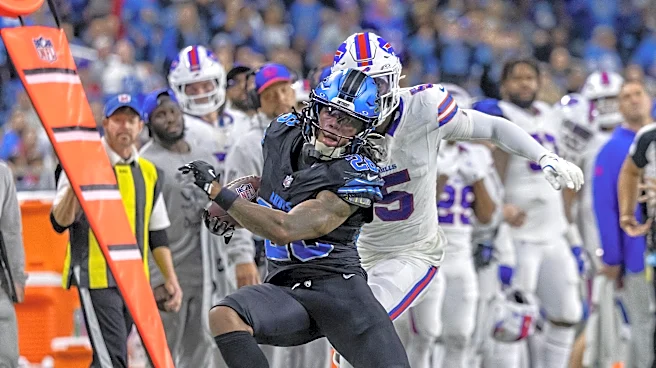
Barry Sanders of the Detroit Lions added his name to this elite list in 1997, rushing for 2,053 yards. Sanders's season was notable for his incredible consistency, as he ran for 100 yards or more in each of the last 14 games after a slow start. At 29 years old, he was the oldest back to surpass 2,000 yards at the time. The following year, in 1998, Terrell Davis of the Denver Broncos became the fourth member, rushing for 2,008 yards and an impressive 21 rushing touchdowns, making him the only 2,000-yard rusher to achieve that touchdown total in his historic season. Davis also reached the 1,000-yard mark in just seven games, demonstrating his early-season explosiveness.
Modern Era Achievements and Unique Distinctions
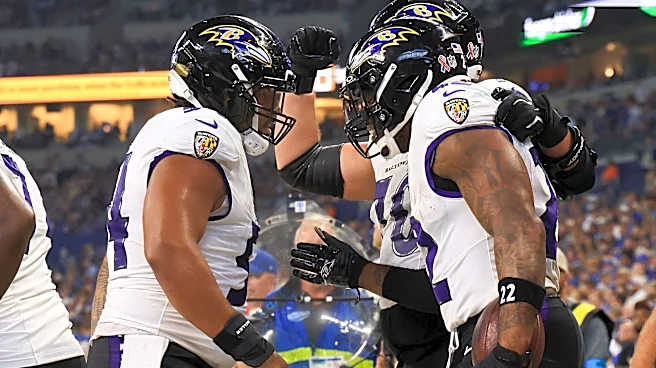
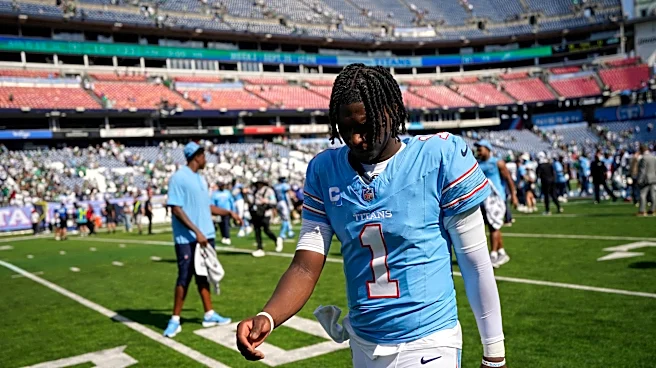
Jamal Lewis of the Baltimore Ravens joined the 2,000-yard club in 2003, recording 2,066 yards. His season included a then-NFL record 295 rushing yards in a single game against the Cleveland Browns, with 500 of his total yards coming in two games against that opponent. Lewis is also unique among 2,000-yard rushers for being both a Super Bowl Champion and a College Football National Champion, though his Super Bowl win came in his rookie season, not his 2,000-yard year. Chris Johnson of the Tennessee Titans followed in 2009 with 2,006 yards, averaging 5.6 yards per carry and setting an NFL record with 2,509 yards from scrimmage.
Adrian Peterson of the Minnesota Vikings achieved 2,097 yards in 2012, just 8 yards shy of Dickerson's record. Peterson's accomplishment was particularly remarkable as he had torn two ligaments in his left knee the previous year, making him the only player to surpass 2,000 yards after reconstructive knee surgery the prior season. More recently, Derrick Henry of the Titans reached the mark in 2020, making the Titans the first franchise with multiple 2,000-yard rushers. Saquon Barkley of the Eagles joined the club in 2024, setting a new record for total rushing yards in regular and post-season combined with 2,504 yards, and becoming one of only two members to win a Super Bowl in their 2,000-yard season, alongside Terrell Davis.
Accolades and Legacy
Beyond the yardage, the 2,000-yard club members have often been recognized with significant individual awards. All but Eric Dickerson won the AP NFL Offensive Player of the Year award in their 2,000-yard season, with Dickerson later winning it in 1986. O. J. Simpson, Barry Sanders, Terrell Davis, and Adrian Peterson also earned the AP Most Valuable Player (MVP) award for their dominant seasons. Four members—Simpson, Dickerson, Sanders, and Davis—have been inducted into the Pro Football Hall of Fame, an honor reserved for individuals who have made outstanding contributions to professional football. While Jamal Lewis and Chris Johnson have not yet been voted in, and Peterson, Henry, and Barkley remain active or recently retired, the 2,000-yard club stands as a testament to the enduring legacy of these exceptional running backs in NFL history.