





Instagram has continuously evolved its platform to foster community interaction and diverse content creation, introducing a range of features that have shaped how users connect and share. From the early days of simple photo filters to advanced video capabilities and interactive tools, the platform has aimed to enhance user experience. However, this evolution has also brought about various trends, some positive and some controversial, particularly
concerning content moderation and the impact on its vast user base.
Central to Instagram's community building are features like hashtags, introduced in January 2011 to help users discover content and each other. Users are encouraged to use specific and relevant tags to make their photographs stand out. This led to the emergence of popular hashtag trends, such as #SelfieSunday, #MotivationMonday, #TransformationTuesday, #WomanCrushWednesday, #ManCrushMonday, and #ThrowbackThursday, which designate specific days for certain types of posts. In December 2017, Instagram allowed users to follow hashtags, integrating relevant content directly into their feeds. The "Explore" tab, launched in June 2012, further aids content discovery by showcasing popular photos, nearby locations, and later, trending tags, curated content, and various video channels.
Interactive Features and Content Formats
Beyond static images, Instagram has significantly expanded its content formats. Video sharing was introduced in June 2013, initially with 15-second clips, later extended to one minute, and eventually allowing up to ten pictures or videos in a single swipeable post. Instagram Stories, launched in August 2016, revolutionized ephemeral content, allowing users to post photos and videos that disappear after 24 hours, similar to Snapchat. This feature quickly gained immense popularity, reaching 500 million daily users by January 2019. Stories also incorporated live video functionality, augmented reality stickers, and face filters, making content more dynamic and interactive.
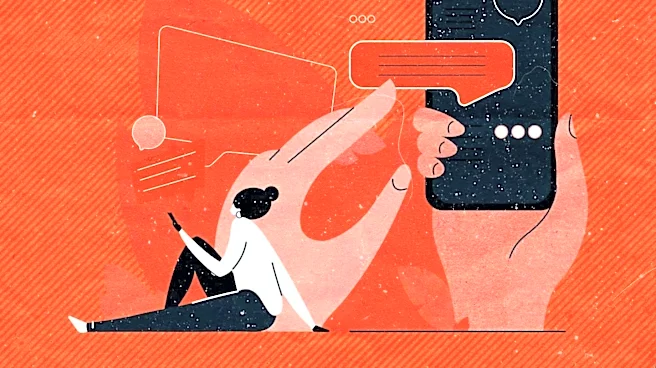
Instagram Direct, introduced in December 2013, enabled private messaging between users, moving beyond public-only interactions. This feature evolved to include conversation threading, the ability to share locations and profiles, and even disappearing messages. In August 2020, Instagram began merging Direct with Facebook Messenger, further integrating its messaging capabilities. More recently, in August 2023, new privacy adjustments were implemented, allowing users to receive only one direct message from non-followers until the request is approved, aiming to prevent harassment and spam.
Controversies and Content Moderation
Despite its success, Instagram has faced criticism and controversies, particularly regarding content moderation. In October 2013, the account of Canadian photographer Petra Collins was deleted after she posted a photo with visible pubic hair, sparking debate about Instagram's terms and conditions. A similar incident occurred in January 2015 with the Australian Photography and Fashion Agency Sticks and Stones Agency. In November 2013, Instagram responded to a BBC investigation revealing users selling illicit drugs on the platform by blocking corresponding hashtags.
More recently, in April 2023, Instagram permanently removed the ability to see "recent" posts from various hashtags, allowing only curated content from "top" users to be visible. This change, ostensibly an attempt to hinder the spread of misinformation, has been criticized for limiting organic reach for users. In March 2020, Instagram announced major moderation changes to combat disinformation, hoaxes, and fake news related to COVID-19, including removing accounts from recommendations and downranking content rated false by fact-checkers. These instances highlight the ongoing challenges Instagram faces in balancing user expression with content safety and platform integrity.