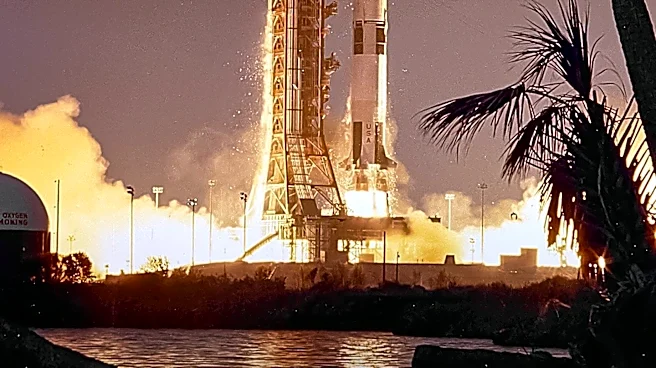










The Space Shuttle Challenger disaster was not only a technical failure but also a profound human tragedy. On January 28, 1986, seven crew members lost their lives in the explosion, leaving a lasting impact on their families, colleagues, and the nation. This article explores the human cost of the disaster and the legacy of the crew.
The Crew Members
The Challenger crew consisted of seven individuals, each with unique backgrounds and contributions to the mission. Commander
Francis R. Scobee led the team, with Michael J. Smith as the pilot. Mission specialists included Ronald McNair, Ellison Onizuka, and Judith Resnik, while Gregory Jarvis and Christa McAuliffe served as payload specialists.
Christa McAuliffe, a teacher, was part of the Teacher in Space Project, intended to inspire students and educators. Her presence on the mission highlighted the educational aspect of space exploration, making the disaster even more poignant for the public.
The Tragic Loss
The explosion occurred 73 seconds after liftoff, and the crew cabin remained intact as it fell towards the ocean. Evidence suggests that some crew members survived the initial breakup and attempted to regain control, but the cabin lacked parachutes and crashed into the ocean at high speed.
The loss of the Challenger crew was felt deeply across the nation. Memorials and tributes were held to honor their contributions and sacrifice. The disaster underscored the risks of space exploration and the bravery of those who venture into the unknown.
Legacy and Remembrance
In the aftermath of the disaster, efforts were made to preserve the legacy of the Challenger crew. The Challenger Center for Space Science Education was established to continue their mission of inspiring future generations. Schools, scholarships, and awards were named in their honor, ensuring that their contributions to space exploration would not be forgotten.
The Challenger disaster serves as a reminder of the human cost of technological advancement and the importance of prioritizing safety. The crew's legacy lives on through educational initiatives and the continued pursuit of knowledge and exploration.