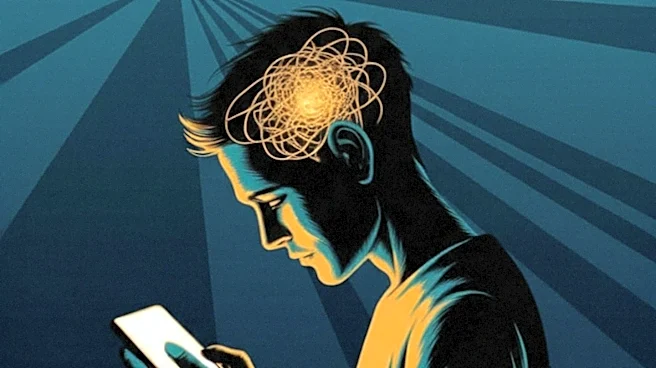









Cognitive distortions represent a fundamental aspect of human psychology where thought patterns become exaggerated or irrational, leading to an inaccurate perception of reality. These biased ways of thinking are not merely occasional errors but are deeply implicated in the development and persistence of various psychopathological states, such as depression and anxiety. They function as negative or biased filters that distort an individual's perception of reality,
often resulting in heightened stress, anxiety, and self-doubt. By warping how individuals interpret situations and their own self-worth, these distortions create a feedback loop that reinforces negative emotions and behaviors, making them a critical focus in therapeutic interventions like cognitive-behavioral therapy (CBT).
Etymological Roots and Core Definition
The very terms that define these phenomena offer insight into their nature. "Cognitive" traces its origins to the Medieval Latin "cognitīvus," which is equivalent to the Latin "cognit(us)," meaning 'known.' This highlights the connection to mental processes of knowing and perceiving. "Distortion," on the other hand, comes from the Latin "dis-" (meaning 'reverse, apart') and "torquēre" (meaning 'to twist'). Thus, a cognitive distortion literally refers to the act of twisting or altering something known or perceived out of its true, natural, or original state. This etymological breakdown underscores the core idea that these are not just mistakes, but active alterations of reality within the mind.
These distortions are characterized by their irrationality and exaggeration. They are not simply negative thoughts, but thoughts that deviate significantly from an objective assessment of a situation. For instance, distortions like mind reading, fortune telling, and emotional reasoning are specific examples of how individuals might misinterpret events or others' intentions, leading to unwarranted negative conclusions. The impact of these distortions is profound, as they can contribute to an overall negative outlook on the world and foster a depressive or anxious mental state, particularly during challenging circumstances.
The Mechanism of Negative Schemas and Their Reinforcement
According to Aaron Beck's cognitive model, a negative outlook on reality, often referred to as negative schemas or schemata, is a significant factor in symptoms of emotional dysfunction and poorer subjective well-being. These negative thinking patterns actively reinforce negative emotions and thoughts, creating a self-perpetuating cycle. Beck observed that these schemas lead to distorted thought processes that focus on self-degradation, magnifying minor external setbacks, and perceiving others' harmless comments as ill-intended. Simultaneously, individuals with these schemas tend to see themselves as inferior.
This distorted perception inevitably influences behavior, leading to a reduced desire for self-care, a diminished pursuit of pleasure, and ultimately, a tendency to give up. The exaggerated perceptions, driven by these cognitive schemas, feel entirely real and accurate to the individual. This is because, once reinforced through consistent behavior and thought patterns, these schemas become automatic and ingrained, operating almost instinctively without allowing time for conscious reflection. This automaticity makes them particularly challenging to identify and alter without therapeutic intervention. This cycle is famously known as Beck's cognitive triad, which posits that a person's negative schema is applied to three key areas: the self, the future, and the environment, creating a comprehensive negative worldview.