








The murder trial of O.J. Simpson was not only a legal spectacle but also a media phenomenon that captivated audiences worldwide. Dubbed the "trial of the century," it was covered extensively by television networks, transforming the way legal proceedings were broadcast and consumed by the public. The trial's media coverage had a profound impact on public perception, shaping opinions and sparking debates about race, celebrity, and justice in America.
The Role of Television
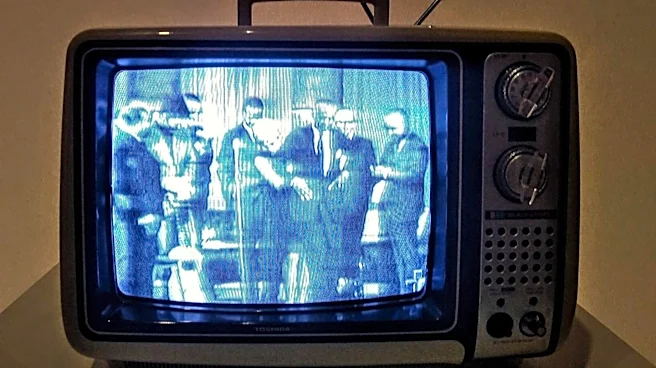
Television played a crucial role in the O.J. Simpson trial, with networks dedicating significant airtime to cover the proceedings. The trial was televised using a single remotely-operated camera by Court TV, and other cable and network news outlets also broadcast parts of the trial. The coverage was so extensive that it interrupted regular programming, including soap operas, leading to a shift in audience interest. Viewers became addicted to the trial's drama, and the case became a staple of reality television, influencing the revival of court shows like Judge Judy.
Public Perception and Reaction
The media coverage of the trial had a significant impact on public perception. The case was covered on the front pages of newspapers for over 300 days, and nightly news broadcasts gave more airtime to the trial than to other major events like the Bosnian War and the Oklahoma City bombing. The trial's coverage served an enthusiastic audience, with companies estimating a loss of national productivity due to employees following the case instead of working. The public's fascination with the trial was evident in the widespread discussions and debates it sparked, particularly regarding the racial dynamics and the credibility of the legal system.
Legacy of the Media Coverage
The media frenzy surrounding the O.J. Simpson trial left a lasting legacy on television and public discourse. It demonstrated the power of media in shaping public opinion and highlighted the intersection of race, celebrity, and justice in America. The trial's coverage set a precedent for how high-profile legal cases are reported, and it influenced the way reality television and court shows are produced. The trial remains a pivotal moment in media history, illustrating the profound impact of television on society and the legal system.