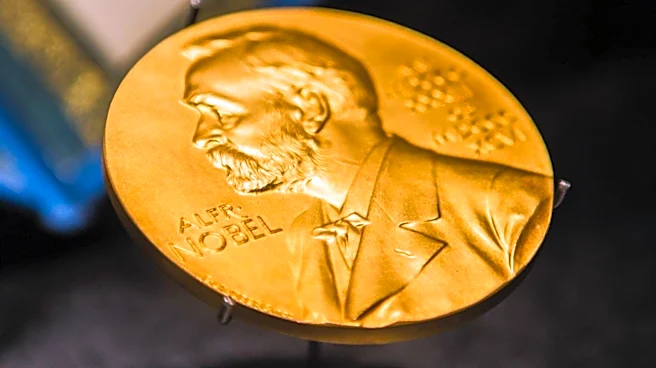






In 1964, the world recognized the profound impact of Martin Luther King Jr.'s dedication to civil rights when he was awarded the Nobel Peace Prize. This prestigious honor acknowledged his unwavering commitment to combating racial inequality through nonviolent resistance, a principle he adopted from Mahatma Gandhi. The award highlighted his significant contributions to the American civil rights movement, bringing international attention to the struggle
for equality in the United States. King became the twelfth American to receive the Peace Prize, a testament to his global influence.
The Path to the Prize: Nonviolent Resistance and Key Campaigns
Martin Luther King Jr.'s journey to the Nobel Peace Prize was paved with persistent nonviolent activism against racial discrimination in the southern states of the U.S. He tirelessly worked to persuade the U.S. Government to declare all policies of racial discrimination uncivil. His efforts often met with violence and threats from racists and white supremacists, yet he remained steadfast in his commitment to peaceful protest. This adherence to nonviolence was a cornerstone of his philosophy and a key factor in his international recognition.
His leadership in major civil rights campaigns brought national and international scrutiny to racial injustice. In 1963, he played a pivotal role in organizing a march of over 250,000 demonstrators to the Lincoln Memorial in Washington, D.C. It was there that he delivered his iconic "I Have a Dream" speech, a powerful call for civil and economic rights and an end to racism in the United States. This event, among others, underscored the urgency and moral imperative of the civil rights movement.
Legislative Victories and Continued Struggle
The year following his historic speech, President Lyndon B. Johnson signed legislation prohibiting all racial discrimination, a significant victory for the civil rights movement. However, the struggle was far from over. Facing resistance from white officials, King led another peaceful march in 1965, this time to advocate for the complete end of racial segregation and to secure African Americans' constitutional right to vote. These actions demonstrated his sustained commitment to achieving full equality and justice.
King's receipt of the Nobel Peace Prize on October 14, 1964, with the ceremony taking place on December 10, 1964, in Oslo, Norway, served as a powerful endorsement of his methods and goals. It elevated his message to a global stage, reinforcing the idea that nonviolent struggle could be an effective tool for social change. The award not only honored King but also brought greater legitimacy and visibility to the civil rights movement he led.
A Legacy Beyond the Award
Even after receiving the Nobel Peace Prize, King continued his advocacy. In his final years, his focus expanded to include opposition to poverty and the Vietnam War, demonstrating his broad commitment to human rights and peace. Tragically, he was assassinated in April 1968 for his civil rights advocacy. His work, however, was continued by his wife, Coretta Scott King, and other pioneers of the movement, ensuring his legacy endured. The Nobel Peace Prize remains a symbol of his monumental achievements and his enduring call for justice and equality through peaceful means.