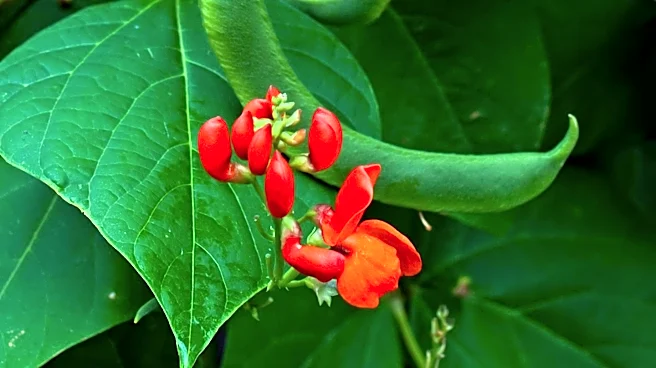









The wild kidney bean, scientifically known as Phaseolus polystachios, is a fascinating plant native to North America. Unlike its tropical and subtropical relatives, this perennial, herbaceous vine thrives in the eastern temperate regions of the United States and southeastern Canada. Despite its common name, the wild kidney bean is more closely related to the lima bean. This unique plant holds significant potential as a crop wild relative, particularly
due to its resistance to white mold, a common agricultural challenge.
Native Habitat and Distribution
Phaseolus polystachios is distinct among the Phaseolus genus for its native range. While most species within this genus are found in tropical or subtropical climates, the wild kidney bean is adapted to the temperate zones of North America. Its presence spans from the eastern United States to southeastern Canada, showcasing its adaptability to cooler climates. This distribution is particularly noteworthy as it highlights the plant's ability to thrive outside the typical environments associated with its relatives.
The plant's adaptability to these regions makes it an interesting subject for study, especially in the context of climate change and agricultural resilience. As temperatures and weather patterns shift, understanding how plants like the wild kidney bean adapt could provide valuable insights for future crop development.
Relationship to Other Beans
Despite its name, the wild kidney bean is more closely related to the lima bean than to the common kidney bean. This relationship is significant because it suggests potential genetic traits that could be beneficial for agricultural purposes. The wild kidney bean is part of the Polystachios group clade, which is the most species-rich within the Phaseolus genus, comprising 17 species.
This close relationship with the lima bean opens up possibilities for cross-breeding and genetic research. By exploring the genetic makeup of Phaseolus polystachios, scientists can potentially identify traits that could enhance the resilience and productivity of cultivated beans. This could be particularly useful in developing new varieties that are resistant to diseases and environmental stresses.
Agricultural Potential and Disease Resistance
One of the most promising aspects of the wild kidney bean is its resistance to white mold, a disease caused by the fungus Sclerotinia sclerotiorum. White mold is a significant problem for many crops, leading to reduced yields and increased production costs. The natural resistance of Phaseolus polystachios to this disease makes it a valuable resource for developing new, more resilient bean varieties.
By studying the genetic traits that confer this resistance, researchers can work towards breeding beans that are less susceptible to white mold. This could lead to more sustainable agricultural practices and improved food security. The wild kidney bean's potential as a crop wild relative underscores the importance of preserving and studying native plant species, as they may hold the key to future agricultural innovations.