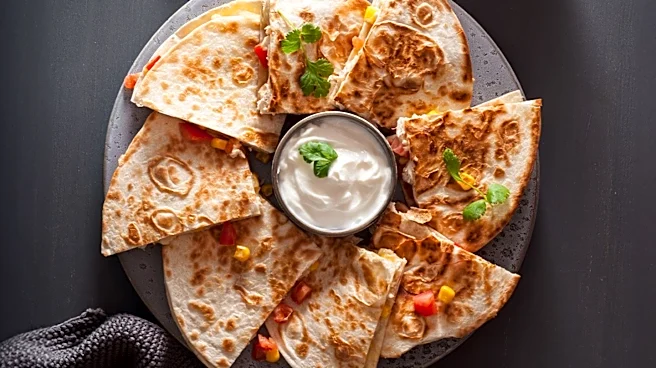










The quesadilla, a beloved dish with roots in Mexican cuisine, has undergone significant evolution over the years. Originally a simple cheese-filled tortilla, it has transformed into a versatile dish with numerous regional variations. This article explores the historical development of the quesadilla, tracing its journey from colonial Mexico to its adaptation in the United States.
Origins in Mexico
The quesadilla originated in colonial Mexico, where it began as a simple
dish made by folding a tortilla in half and filling it with cheese. Traditionally, corn tortillas were used, and the quesadilla was cooked on a comal, a type of griddle. Over time, the dish evolved to include a variety of fillings, such as meats, vegetables, and spices, reflecting the diverse culinary traditions of different Mexican regions.
In central and southern Mexico, quesadillas are typically filled with Oaxaca cheese, a stringy cheese made using the pasta filata method. Other popular fillings include tinga, a spicy meat mixture, and huitlacoche, a type of corn fungus. The quesadilla's adaptability to different ingredients has made it a staple in Mexican cuisine, enjoyed by people across the country.
Regional Variations in Mexico
In Mexico City, quesadillas are not assumed to contain cheese unless specifically requested, a cultural nuance that sets the city apart from other regions. This variation highlights the flexibility of the dish and its ability to adapt to local tastes and preferences. In Oaxaca, what might be called a quesadilla elsewhere is known as an empanada, filled with local ingredients like mole and Oaxacan cheese.
Northern Mexico sees the use of wheat flour tortillas, often filled with Chihuahua cheese, a local variety made by the Mennonite community. These regional differences illustrate the quesadilla's ability to incorporate local ingredients and culinary traditions, making it a dish that is both familiar and unique across Mexico.
The Quesadilla in the United States
As the quesadilla made its way to the United States, it underwent further transformation. In the Southwestern U.S., it is often compared to a grilled cheese sandwich, with local ingredients added to the mix. Flour tortillas are commonly used, and fillings may include Monterey Jack or Cheddar cheese, along with meats, peppers, and onions.
In the U.S., quesadillas are frequently served with sides like guacamole and sour cream, adding to their appeal as a versatile and customizable dish. This adaptation reflects the blending of Mexican culinary traditions with American tastes, resulting in a dish that is both familiar and innovative.
The quesadilla's journey from Mexico to the United States showcases its adaptability and enduring popularity. As it continues to evolve, the quesadilla remains a beloved dish that bridges cultures and culinary traditions.