





The District of Columbia Suffrage Act of 1867 was not merely a legal decree; it was a social earthquake that reverberated through the nation's capital and beyond. By granting voting rights to all males over 21 in D.C., irrespective of race, the act fundamentally altered the social and political landscape. This federal law, the first in the U.S. to guarantee African Americans the right to vote in public elections, elicited strong reactions, from exultation
among the newly enfranchised to dismay among those who clung to the old order. The immediate aftermath offered a glimpse into the profound societal shifts underway during Congressional Reconstruction.
Scenes of Celebration and Disbelief
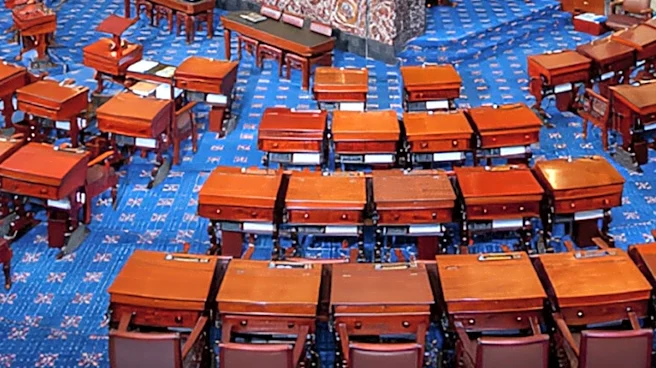
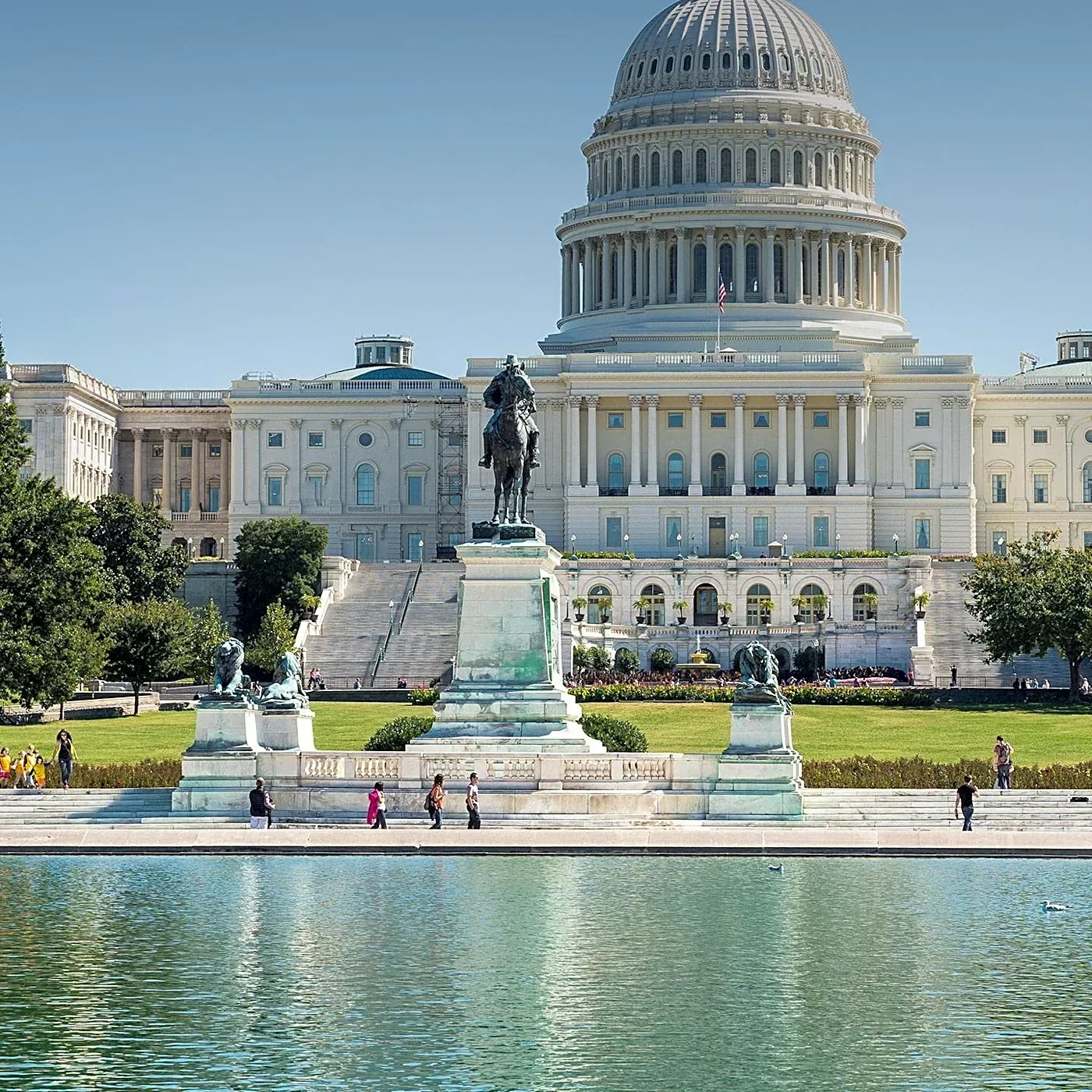
When the District of Columbia Suffrage Act was passed over President Andrew Johnson's veto on January 8, 1867, the U.S. Capitol became a scene of palpable emotion. A correspondent for the Richmond Times-Dispatch, a newspaper from the former Confederate States, was present and documented the events. This observer, though personally unhappy with the outcome, vividly described the atmosphere: "The galleries of the House of Representatives were crowded with Negroes...When the result of the voting was announced, the hall and galleries resounded with applause—the mingled applause of whites and blacks."
The correspondent further detailed the spontaneous celebrations that erupted: "They rushed from the galleries, shaking hands with each other, with members of Congress, indeed with anybody they saw..." The observer noted the "feeling of exultation" and "comical manifestations of spasmodic joy" among the African Americans present. The correspondent's account, while tinged with personal disapproval, underscored the dramatic nature of the change, remarking on the elevation of "Sambo, within less than one year after he was a slave...[elevated] into a suffragan, and the political equal of educated whites!" This observation highlights the stark contrast between the recent past of slavery and the new reality of political equality, at least in the nation's capital.
Broader Societal Implications and Unaddressed Issues
The passage of the District of Columbia Suffrage Act was a clear signal of the direction of Congressional Reconstruction. Republican leaders, as reported by John Pool from Washington, had "fully settled" on several key points: the superseding of existing Southern governments, the exclusion of "rebels" from new regimes, and the enfranchisement of "the negroes." This legislative push was seen by many as a necessary corrective to the injustices of slavery and the Civil War.
Harper's Weekly, after an election in Georgetown following the act's passage, articulated a prevailing sentiment among some: "As we said last week, slavery essentially injures the enslaved, although probably less than the enslaver; and it has long been plain to every observer that if the freedmen could not be safely trusted with the ballot the enslavers ought certainly to be disfranchised." This editorial reflects a belief that the former enslavers were less trustworthy with political power than the newly freed men. However, despite this significant step forward, the act did not address all calls for suffrage. Francis Minor's request at a St. Louis political convention to include women in D.C. suffrage was ignored, indicating that while racial barriers were being dismantled, gender-based exclusions remained firmly in place.