


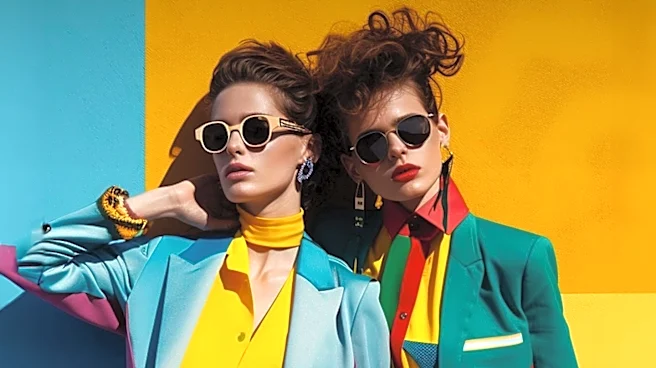
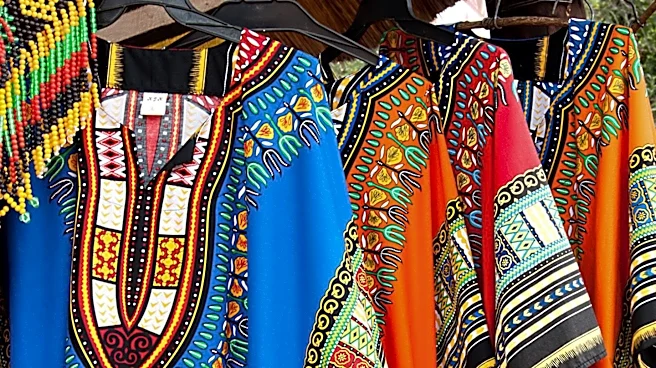



The 1990s was a decade of significant change in the fashion industry, marked by the increasing influence of globalization. As the world became more interconnected, fashion trends spread more rapidly and widely than ever before. This era saw the blending of cultural styles and the emergence of a more homogeneous global fashion scene. The globalization of fashion in the 1990s was a complex process that reshaped the industry and influenced how people
dressed around the world.
The Role of Technology and Trade
One of the key factors driving the globalization of fashion in the 1990s was the advancement of technology. The rise of the internet and satellite television allowed for the rapid dissemination of fashion trends across borders. People could now access fashion shows and style inspiration from around the world with just a few clicks, leading to a more unified global fashion landscape.
In addition to technological advancements, changes in trade policies also played a significant role in the globalization of fashion. The reduction of import tariffs under agreements like NAFTA made it easier for fashion brands to expand their reach and distribute their products internationally. This increased accessibility to global markets allowed for a greater exchange of styles and ideas, contributing to the homogenization of fashion trends.
The Impact on Fashion Trends
The globalization of fashion in the 1990s led to the blending of cultural styles and the emergence of new trends. As people were exposed to a wider range of fashion influences, they began to incorporate elements from different cultures into their personal style. This cross-cultural exchange resulted in a more diverse and eclectic fashion scene, where traditional boundaries were blurred.
Despite the homogenization of fashion trends, the 1990s also allowed for greater personal expression. People were able to mix and match styles from different cultures and subcultures, creating unique looks that reflected their individual tastes and identities. This era of fashion was not just about following trends but about creating one's own style within the broader global framework.
The Legacy of Globalized Fashion
The globalization of fashion in the 1990s had a lasting impact on the industry and continues to influence how people dress today. The blending of cultural styles and the emphasis on personal expression that characterized this era paved the way for future trends that continue to push boundaries and challenge traditional fashion norms.
As the world becomes even more interconnected, the influence of globalization on fashion is likely to grow. The 1990s set the stage for a more inclusive and diverse fashion industry, where people are encouraged to embrace their unique style and draw inspiration from a wide range of cultural influences. The legacy of globalized fashion is a testament to the power of cultural exchange and its ability to inspire creativity and innovation.