







Interoception refers to the perception of internal bodily signals, a fundamental process that allows organisms to sense and respond to their physiological states. This intricate system involves the nervous system working in conjunction with various innervated organs and organ systems throughout the body. Essentially, interoception is how we internally monitor our body's condition, providing crucial information that underpins our well-being and survival.
It's a continuous, often unconscious, dialogue between our internal organs and our brain, shaping our experience of being alive.
The Core Mechanism of Internal Perception
At its heart, interoception is a sensory process, much like sight or touch, but directed inward. It gathers information from within the body, such as signals related to hunger, thirst, temperature, and heart rate. This internal sensing is vital for maintaining homeostasis, the body's ability to regulate its internal environment to ensure stability. Without effective interoception, an organism would struggle to identify and address imbalances, potentially leading to significant physiological distress or failure. The nervous system acts as the central processing unit, receiving these diverse signals and integrating them to form a coherent picture of the body's internal state.
The process is not merely about detecting individual signals; it's about interpreting their collective meaning. For instance, a combination of a fast heart rate, shallow breathing, and muscle tension might be interpreted as anxiety or fear, prompting a behavioral response. This integration of internal cues allows for complex emotional and cognitive experiences, highlighting how deeply interoception is intertwined with our mental and emotional lives. It's a continuous feedback loop, where internal states influence perception and behavior, and vice versa.
Organs and Systems Involved
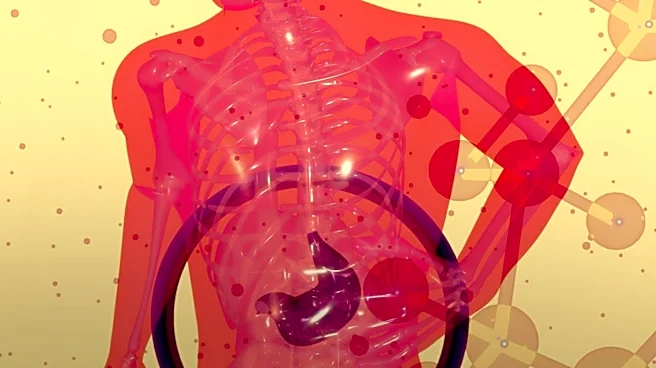
Interoception is a widespread bodily function, involving a multitude of organs and organ systems. While specific examples are not detailed, the general principle is that any organ or system that is "innervated" – meaning it receives nerve supply – can contribute to interoceptive signals. This includes, but is not limited to, the cardiovascular system, respiratory system, digestive system, and endocrine system. Each of these systems generates unique signals that are relayed to the brain, providing a comprehensive internal map.
The nervous system itself is a complex network, with specialized pathways dedicated to transmitting interoceptive information. These pathways ensure that signals from various internal sources reach the brain regions responsible for processing and interpreting them. The efficiency and accuracy of these neural connections are critical for effective interoception. Any disruption in these pathways or in the functioning of the innervated organs can lead to altered interoceptive experiences, potentially impacting an individual's ability to accurately perceive their internal state.
Responding to Physiological States
The ultimate purpose of interoception is to enable organisms to respond appropriately to their physiological states. Whether it's seeking food when hungry, water when thirsty, or rest when fatigued, these actions are driven by interoceptive signals. These responses can be automatic and unconscious, such as changes in heart rate or breathing, or they can be conscious and volitional, like deciding to eat a meal. The ability to accurately perceive and react to these internal cues is fundamental for survival and adaptation.
Furthermore, interoception plays a significant role in emotional regulation and self-awareness. Our feelings often have a strong physiological component, and the perception of these internal bodily changes contributes to our emotional experience. For example, the feeling of a "racing heart" can be a key part of experiencing fear or excitement. By understanding and interpreting these internal signals, individuals can better manage their emotions and make informed decisions about their well-being. This continuous internal monitoring allows for a dynamic interaction between the body and mind, shaping our overall experience of health and consciousness.