





"One Flew Over the Cuckoo's Nest," released on November 19, 1975, quickly established itself as a landmark in American cinema, garnering widespread critical acclaim and numerous prestigious awards. Its success was not merely in its box office performance but in its profound impact on the film industry, culminating in a rare achievement at the Academy Awards. The film's recognition across various categories solidified its place as a significant cultural
and artistic work, demonstrating its powerful storytelling and exceptional performances.
Sweeping the Academy Awards
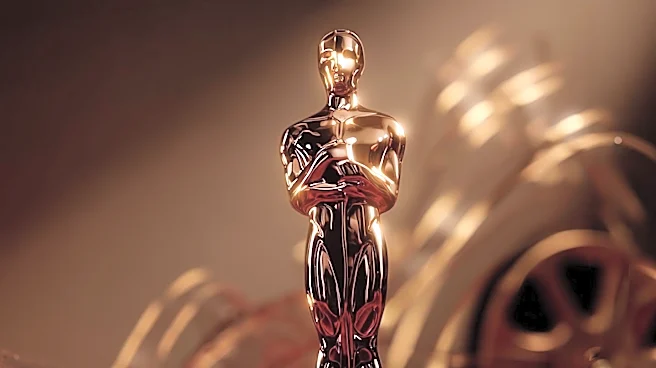
One of the most remarkable achievements of "One Flew Over the Cuckoo's Nest" was its triumph at the Academy Awards. It became the first film since "It Happened One Night" to win all five main Academy Awards. This extraordinary feat included Best Picture, the most coveted award of the night, recognizing the film's overall excellence. The film's ability to capture the top honors in such a comprehensive manner underscored its critical dominance in 1975.
Individual talents were also celebrated, with Jack Nicholson receiving the Academy Award for Best Actor for his portrayal of Randle McMurphy. Louise Fletcher was honored with the Best Actress award for her compelling performance as Nurse Ratched. Miloš Forman's direction was recognized with the Best Director award, acknowledging his masterful guidance of the film. Furthermore, the screenplay, adapted from Ken Kesey's novel, earned the award for Best Adapted Screenplay, highlighting the strength of its narrative and dialogue. This clean sweep of the major categories cemented the film's status as a cinematic masterpiece.
Broader Critical Acclaim and Industry Recognition
Beyond the Academy Awards, "One Flew Over the Cuckoo's Nest" received significant recognition from various other film organizations and critics' associations. The film was ranked as the 20th best ever on the American Film Institute's AFI's 100 Years... 100 Movies list, a testament to its enduring quality and cultural significance. This placement on such a prestigious list indicates its lasting impact on the history of American cinema.
The screenplay also received a nomination for a BAFTA Award for Best Screenplay, further acknowledging the strength of its writing. Other accolades included winning Best Foreign Director at the Kinema Junpo Awards and the Nastro d'Argento for Miloš Forman. The Los Angeles Film Critics Association Awards named it Best Film, and the National Board of Review Awards placed it third in their Top Ten Films list. Jack Nicholson's performance was repeatedly honored, winning Best Actor from the National Board of Review Awards, the National Society of Film Critics Awards, and the New York Film Critics Circle Awards. Louise Fletcher was a runner-up for Best Supporting Actress at the New York Film Critics Circle Awards. The film was also inducted into the National Film Registry by the National Film Preservation Board and won the People's Choice Award for Favorite Motion Picture, demonstrating its popularity with audiences as well as critics. These numerous awards and recognitions collectively paint a picture of a film that was not only critically acclaimed but also deeply resonated with a wide audience.