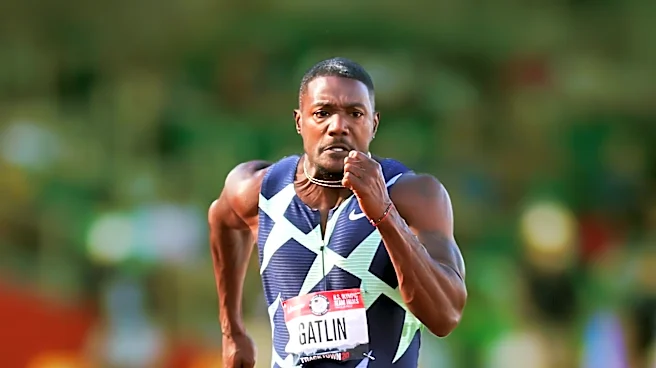







Bobby Joe Morrow, an American sprinter celebrated for his three gold medals at the 1956 Olympics, was more than just an athlete. His life story, spanning from his humble beginnings on a Texas farm to his eventual induction into multiple halls of fame, paints a picture of a man whose impact extended beyond the track. Known as "the dominant sprinter of the 1950s" and admired for his "relaxed" running style, Morrow's journey included personal milestones,
career shifts, and lasting recognition in his home state and nationally.
Roots in Rural Texas
Morrow's early life was deeply rooted in the agricultural landscape of Texas. Born in Harlingen on October 15, 1935, he was raised on a cotton and carrot farm situated on the outskirts of San Benito. This upbringing instilled a connection to the land that would later influence his post-athletic career choices. Before his rise to international fame as a sprinter, Morrow was also an active participant in local sports, playing football for San Benito High School. His athletic talents were further developed at Abilene Christian University, where he not only excelled as a sprinter but also joined the men's club Frater Sodalis in 1955.
A Life Beyond the Track: Career and Personal Chapters
After achieving Olympic glory in 1956, Bobby Morrow made a significant life change in 1958, retiring from competitive sprinting to become a farmer and a woodworker. This decision reflected a desire to return to a more grounded lifestyle. Although he attempted a brief comeback before the 1960 Olympic Games, he did not qualify for the U.S. Olympic team, solidifying his retirement from professional athletics.
His personal life also saw significant developments. Morrow was married to Jo Ann Strickland, whom he had met in high school, a union described as a "fairy-tale marriage." They moved to Odessa and later to Houston, where Morrow restarted a banking career that he had put on hold to train for the 1960 Olympics. The couple had twins together, but their marriage eventually ended in divorce around 1968. Morrow subsequently moved to Ohio, where he met and married Judy, beginning another chapter in his personal life.
Lasting Tributes and Hall of Fame Recognition
Bobby Morrow's contributions to athletics and his home state have been recognized through various honors and tributes. In October 2006, San Benito High School, his alma mater, named its new 12,000-seat sporting facility the Bobby Morrow Stadium. This facility, used for both football and soccer, stands as a prominent local tribute to his achievements. Morrow himself was present to help dedicate the new stadium, connecting his legacy directly with the community where he grew up.
His national and state-level recognition further solidified his place in sports history. Morrow was inducted into the National Track and Field Hall of Fame in 1989, acknowledging his impact on American track and field. Additionally, in 2016, he was inducted into the Texas Track and Field Coaches Hall of Fame, honoring his significant contributions within his home state. These inductions ensure that Bobby Morrow's legacy as a celebrated athlete and a proud Texan continues to inspire future generations.