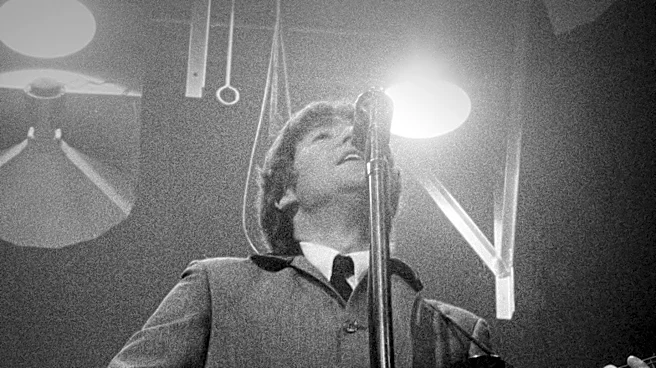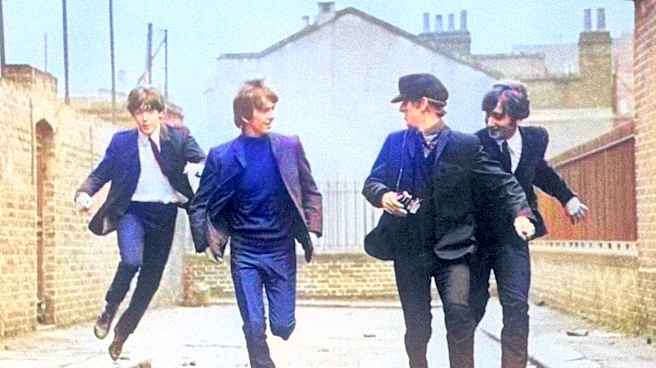







The Beatles' song "A Hard Day's Night" is a classic example of the band's innovative approach to music creation and recording. Released in 1964, the song was primarily written by John Lennon with some input from Paul McCartney. It became a significant hit, showcasing the Beatles' ability to craft catchy and memorable tunes. This article delves into the creative process behind the song and the recording techniques that brought it to life.
The Inspiration Behind the Song
The title
"A Hard Day's Night" originated from a casual remark by Ringo Starr, the Beatles' drummer. Starr described a day when the band had worked from morning until night, leading him to say, "It's been a hard day... night!" This off-the-cuff comment inspired the title of both the song and the film it was featured in. John Lennon quickly embraced the phrase, and it became the foundation for the song's lyrics and theme.
Lennon wrote the song overnight, driven by a friendly competition with McCartney to create hits. The next morning, he presented the song to the band, and they began working on it together. The lyrics reflect the singer's devotion to his lover, expressing how the things she does make him feel alright after a long day of work. This theme of love and dedication resonated with audiences, contributing to the song's success.
The Recording Session
The Beatles recorded "A Hard Day's Night" on April 16, 1964, at EMI Studios. The session was remarkably efficient, taking less than three hours to complete. The band selected the ninth take as the final version for release. During the recording, Lennon and McCartney double-tracked their vocals, with Lennon singing the lead on the verses and McCartney taking the bridge. The chorus featured McCartney's high harmony and Lennon's low harmony, creating a rich vocal texture.
George Harrison played the iconic instrumental break on a Rickenbacker 12-string guitar, with George Martin and McCartney doubling on piano and bass. This solo was the most time-consuming part of the session, but it resulted in one of Harrison's most memorable contributions to the Beatles' catalog. The recording session demonstrated the band's ability to work collaboratively and efficiently, producing a polished and impactful song.
The Song's Musical Structure
"A Hard Day's Night" is composed in the key of G major and features a 4/4 time signature. The song's structure includes a verse, bridge, and chorus, with a distinctive opening chord that has become iconic in rock music. The verse features a major subtonic chord, adding a unique embellishment to the song's harmonic progression.
The song's melody is centered around a pentatonic scale, with elements of blues melodic structures. This blend of major and minor tonalities gives the song its distinctive sound, setting it apart from other pop songs of the era. The Beatles' innovative use of harmony and melody in "A Hard Day's Night" contributed to its enduring popularity and influence on subsequent generations of musicians.