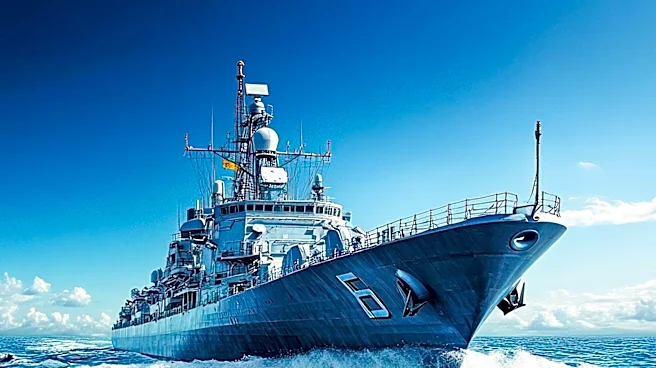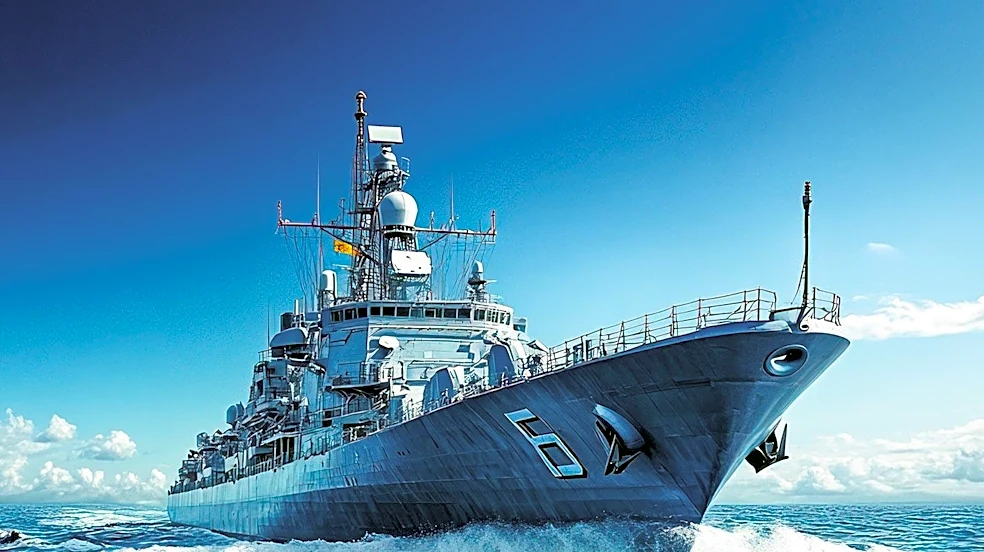





The Battle of Leyte was not solely a ground engagement; it was profoundly shaped by the extensive use of naval and air power, which proved decisive in both supporting the amphibious landings and countering Japanese resistance. The United States Seventh Fleet, augmented by British and Australian ships, was instrumental in the initial landings, providing crucial support and protection. However, the campaign also saw some of the most intense naval and air battles
of World War II, including the monumental Battle of Leyte Gulf and the introduction of devastating kamikaze attacks.
Prior to the main invasion, in the summer of 1944, planes from the aircraft carriers of the U.S. 3rd Fleet, under Admiral William F. Halsey, conducted successful missions over the Philippines, encountering weak Japanese resistance. This led Halsey to recommend a direct strike on Leyte, accelerating the invasion date. The presence of powerful naval air cover was a key factor in the Allied strategy, aiming to neutralize Japanese air capabilities and protect the landing forces.
The Battle of Leyte Gulf and Japanese Counterattacks
As the Sixth Army pushed deeper into Leyte, the Japanese launched significant counterattacks in the air and at sea. On October 24, approximately 200 enemy aircraft approached American beachheads and shipping from the north. Fifty American land-based aircraft intercepted them, claiming to have shot down between 66 and 84 of the attackers. Day and night air raids continued for four days, damaging supply dumps ashore and threatening American shipping. However, by October 28, counterattacks by U.S. aircraft on Japanese airfields and shipping on other islands severely reduced enemy air strength, diminishing the threat of conventional air raids.
A more serious danger emerged at sea. The Imperial Japanese Navy's high command decided to commit its entire remaining surface fleet to a decisive battle to destroy U.S. Navy forces supporting the Sixth Army. Their plan involved three major task groups, with one acting as a decoy to lure the U.S. 3rd Fleet north away from Leyte Gulf. On October 23, the approach of enemy surface vessels was detected, leading to the Battle of Leyte Gulf, fought from October 23 to 26. This engagement, one of the largest naval battles in history, resulted in a decisive defeat for the Japanese.
The Emergence of Kamikaze Attacks
As their conventional air strength waned, the Japanese resorted to a new and deadly tactic: kamikazes, suicide pilots who crashed their bomb-laden planes directly into U.S. ships. The large American transport and escort fleet gathered in Leyte Gulf on A-day became their first target. On October 25, 1944, a kamikaze attack sank the escort carrier USS St. Lo and badly damaged many other vessels. This marked the first instance of a major warship being sunk by a kamikaze attack, signaling a new and desperate phase of the air war.
Despite the Japanese naval defeat in the Battle of Leyte Gulf and heavy losses to reinforcement convoys, they managed to move over 34,000 troops and more than 10,000 short tons of material to Leyte by December 11, primarily through the port of Ormoc on the west coast. This was achieved despite relentless air interdiction missions by U.S. aircraft, underscoring the persistent threat posed by Japanese determination and the ongoing importance of air superiority throughout the campaign.