







Chinese cuisine is renowned for its diverse and sophisticated cooking techniques, which have been refined over centuries. These techniques are integral to the preparation of Chinese dishes, allowing chefs to create a wide range of flavors and textures. From stir-frying to steaming, the evolution of Chinese cooking methods reflects the rich culinary heritage of China and its adaptability to changing times.
Traditional Techniques: Stir-Frying and Steaming
Stir-frying is one of the most iconic Chinese
cooking techniques, known for its ability to quickly cook ingredients while preserving their flavor and nutritional value. This method involves cooking food in a wok over high heat, with constant stirring to ensure even cooking. The result is a dish that is both flavorful and visually appealing, with vibrant colors and a satisfying crunch.
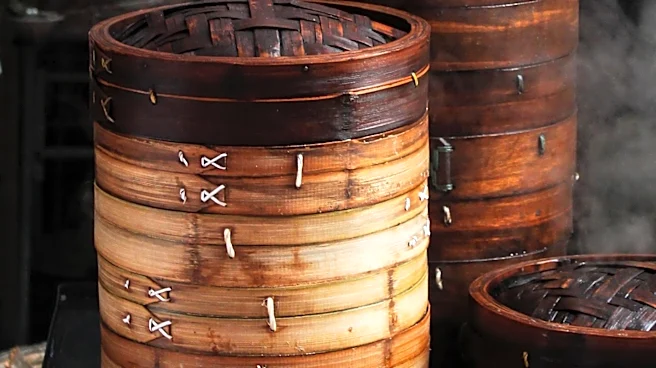
Steaming is another traditional technique that has been used in Chinese cuisine for centuries. This method involves cooking food using steam, which helps to retain the natural flavors and nutrients of the ingredients. Steamed dishes are often considered healthier, as they require little to no oil. Popular steamed dishes include dim sum and whole fish, which are delicately flavored and tender.
The Art of Braising and Red Cooking
Braising is a technique that involves cooking ingredients slowly in a small amount of liquid, allowing the flavors to meld and intensify. This method is commonly used in Chinese cuisine to prepare dishes like red-cooked pork, where the meat is simmered in a soy sauce-based broth until it becomes tender and flavorful. The slow cooking process allows the ingredients to absorb the rich flavors of the sauce, resulting in a dish that is both hearty and satisfying.
Red cooking, a variation of braising, is characterized by the use of soy sauce and sugar to create a rich, caramelized flavor. This technique is often used for meats and poultry, imparting a deep, savory taste that is both comforting and indulgent.
Modern Adaptations and Innovations
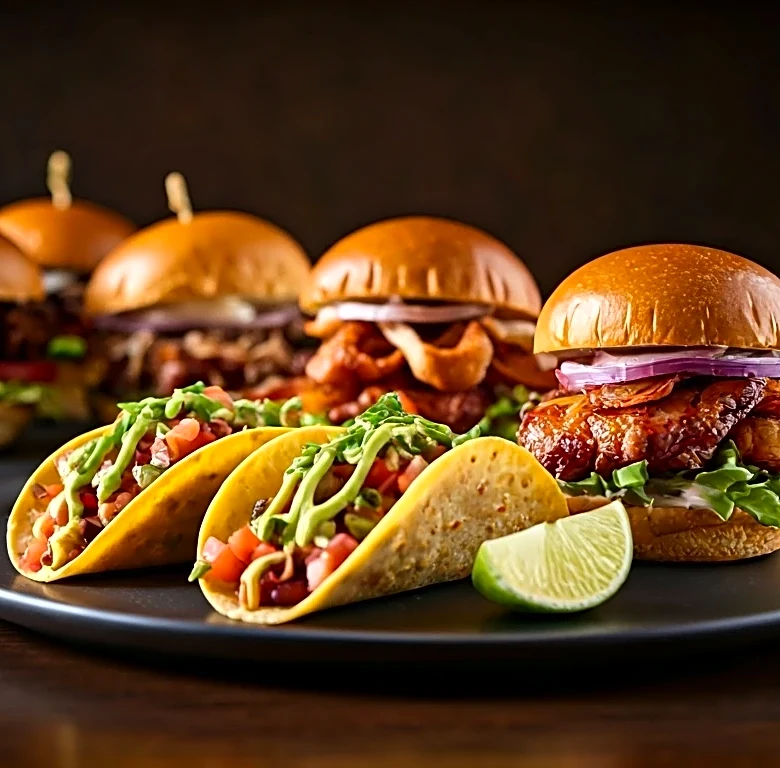
As Chinese cuisine has spread across the globe, its cooking techniques have evolved to incorporate new ingredients and culinary influences. In modern Chinese kitchens, traditional methods are often combined with contemporary techniques to create innovative dishes that appeal to a global audience. For example, fusion dishes may incorporate elements of Western cooking, such as grilling or baking, while still retaining the essence of Chinese flavors.
The evolution of Chinese cooking techniques is a testament to the adaptability and creativity of Chinese chefs. By preserving traditional methods while embracing new ideas, Chinese cuisine continues to thrive and inspire, offering a rich and diverse culinary experience that is enjoyed by people around the world.