



A.C. Green's time with the Dallas Mavericks, spanning from 1996 to 1999, was characterized by his reliable rebounding and an extraordinary display of durability. Acquired during a significant team overhaul, Green quickly became a foundational player for the rebuilding Mavericks. While the team navigated a period of transition and struggled with its overall record, Green consistently delivered on the court, culminating in a historic personal achievement
that underscored his professional resilience. His contributions went beyond mere statistics, providing a steadying presence for a franchise in flux.
Arrival in Dallas and Team Rebuilding Efforts
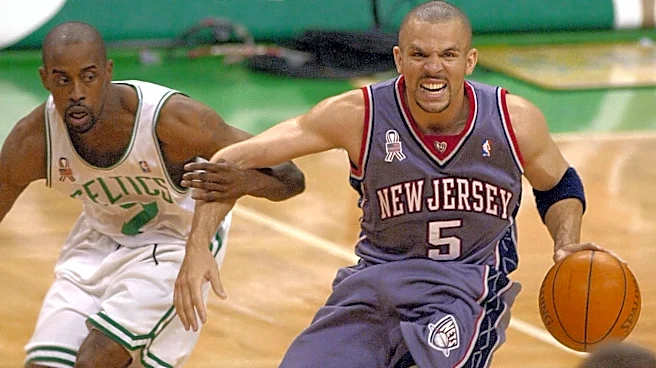
A.C. Green joined the Dallas Mavericks two months into the 1996–97 season as part of a notable trade. This deal brought Green, along with Sam Cassell and Michael Finley, to Dallas, while Jason Kidd, Loren Meyer, and Tony Dumas were sent to the Phoenix Suns. The Mavericks were in a significant rebuilding phase, with the 1996–97 season seeing an NBA record 27 different players suit up for the team. This constant roster turnover made it difficult to establish team chemistry.
Despite the instability, Green was a key acquisition intended to help turn the team around. Michael Finley, another player acquired in the same trade, would go on to become a significant scorer for the Mavericks for many years. Green's role was different but equally vital: to provide consistent effort and strong rebounding for a team that needed a solid presence in the paint.
Leading the Team in Rebounding
Green's impact on the Mavericks' rebounding efforts was immediate and substantial. In the 1997–98 season, he tied Shawn Bradley for the team lead in rebounding, averaging an impressive 8.1 rebounds per game. This performance highlighted his ability to consistently secure possessions and contribute to the team's defensive efforts. His presence on the boards was a crucial asset for a team that finished with a challenging 20–62 record that season.
Beyond his rebounding, Green also contributed offensively, averaging 7.3 points per game during the 1997–98 season. His consistent play was a bright spot, even as the Mavericks faced difficulties. The team, despite its poor record, showed flashes of potential, occasionally giving elite NBA teams a tough challenge, including victories against the Seattle SuperSonics, New York Knicks, Indiana Pacers, and Chicago Bulls.
The Iron Man Legacy and Later Contributions
One of the most significant moments of Green's time in Dallas was when he became the NBA's all-time iron man. On November 20, 1997, he played in his 907th consecutive game, surpassing Randy Smith's record of 906. This achievement, a testament to his remarkable durability, occurred during his second season with the Mavericks and became a defining highlight of his career.
In the 1998–99 season, Green continued to provide consistent numbers, averaging 4.9 points and 4.6 rebounds per game. While the Mavericks continued to struggle, finishing with a 19–31 record in a lockout-shortened season, Green remained a reliable veteran presence. His tenure in Dallas, though not marked by team championships, was significant for his individual milestones and his steady contributions to a team that was actively working to rebuild its foundation for future success.