



The gluteus maximus stands out as the primary extensor muscle of the hip in humans, distinguishing itself significantly from its counterparts in other primates. This muscle is not only the largest and outermost of the three gluteal muscles but also the single largest muscle in the entire human body. Its substantial, fleshy mass forms the prominent shape of the buttocks, a characteristic feature of human anatomy. The unique size and function of the gluteus maximus are
deeply connected to the human ability to maintain an erect posture and engage in dynamic movements like running.
Distinctive Size and Bipedalism
One of the most striking features of the human muscular system is the large size of the gluteus maximus. This muscle is approximately 1.6 times larger relative to body mass when compared to chimpanzees, and it constitutes about 18.3% of the total hip musculature mass, whereas in chimpanzees, it makes up only 11.7%. This significant difference highlights its crucial role in human bipedalism. Other primates, with their much flatter hips, are unable to sustain standing erectly, underscoring the gluteus maximus's importance in maintaining an upright trunk.
In other primates, the muscle corresponding to the human gluteus maximus is divided into two parts: the ischiofemoralis, a smaller muscle originating from the ilium and sacroiliac ligaments, and the gluteus maximus proprius, a larger muscle extending from the ischial tuberosity to a more distant insertion on the femur. The adaptation to bipedal gait in humans necessitated a reorganization of the muscle's attachment and its moment arm, leading to the uniquely large and powerful gluteus maximus we observe today.
Role in Running Versus Walking
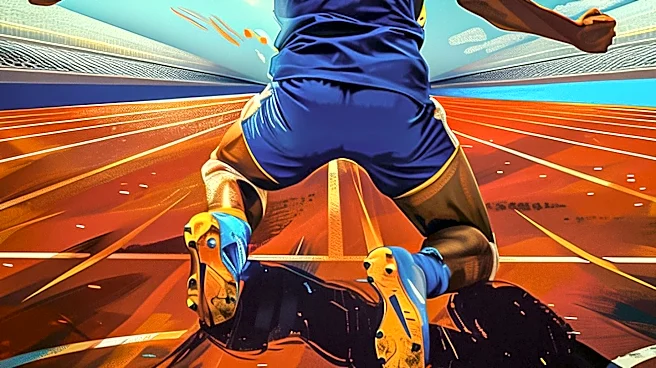
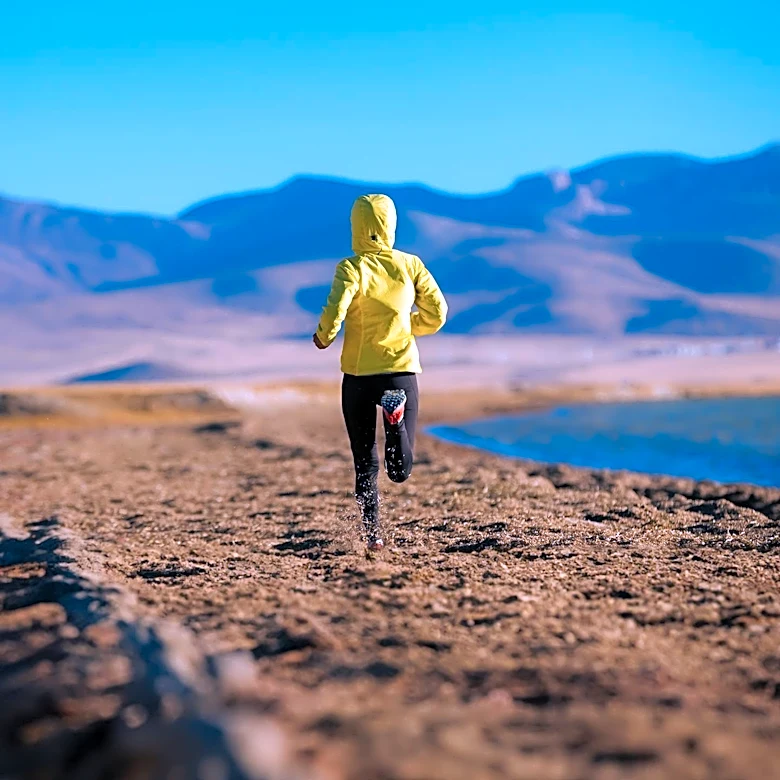
While often associated with maintaining erect posture, evidence suggests that the enlargement of the gluteus maximus was more likely selected for its critical role in running capability and trunk stabilization during various dynamic activities. During level walking, the muscle shows minimal activity, indicating that its primary adaptation was not for walking. However, its function becomes paramount during running.
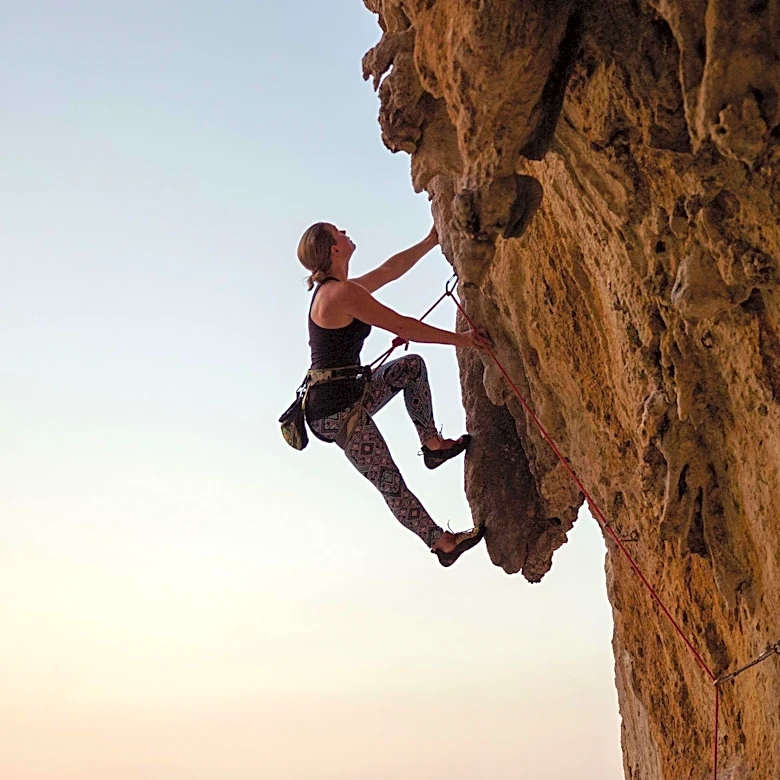
In running, the human gluteus maximus plays multiple important functional roles. It helps control trunk flexion, assists in decelerating the swing leg, and significantly contributes to hip extension. The muscle's size and position make it uniquely suited for controlling trunk position during rapid movements and stabilizing the trunk against flexion. These adaptations would have been particularly important for activities like running and climbing in early human evolution, providing a distinct advantage for survival and locomotion.
Functional Assessment and Training
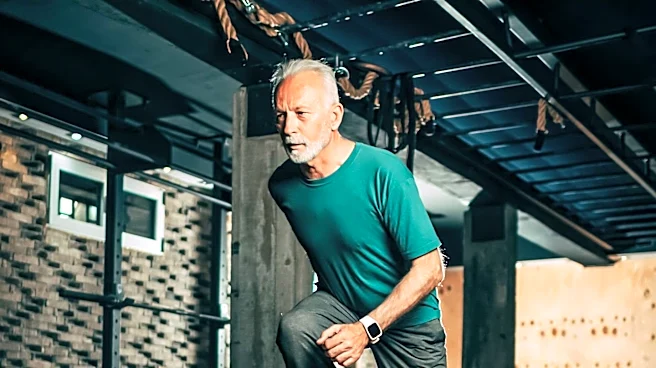
The gluteus maximus is involved in various sports, from running to weight-lifting, and its strength is often assessed in clinical settings. Functional assessments, such as the 30-second chair-to-stand test, measure an individual's ability to stand up from a seated position multiple times within a specific timeframe. This test helps evaluate strength, flexibility, pain, and endurance, providing insights into rehabilitation progress or remaining work needed.
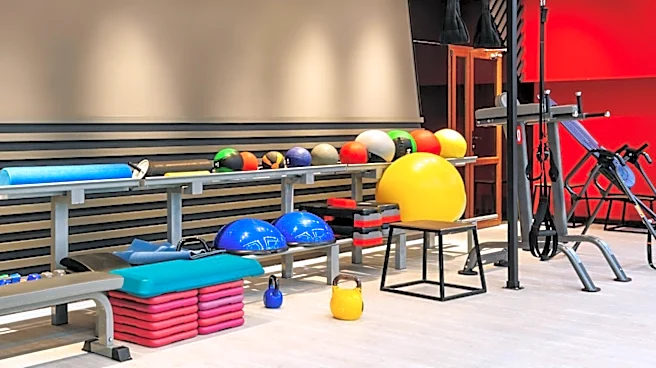
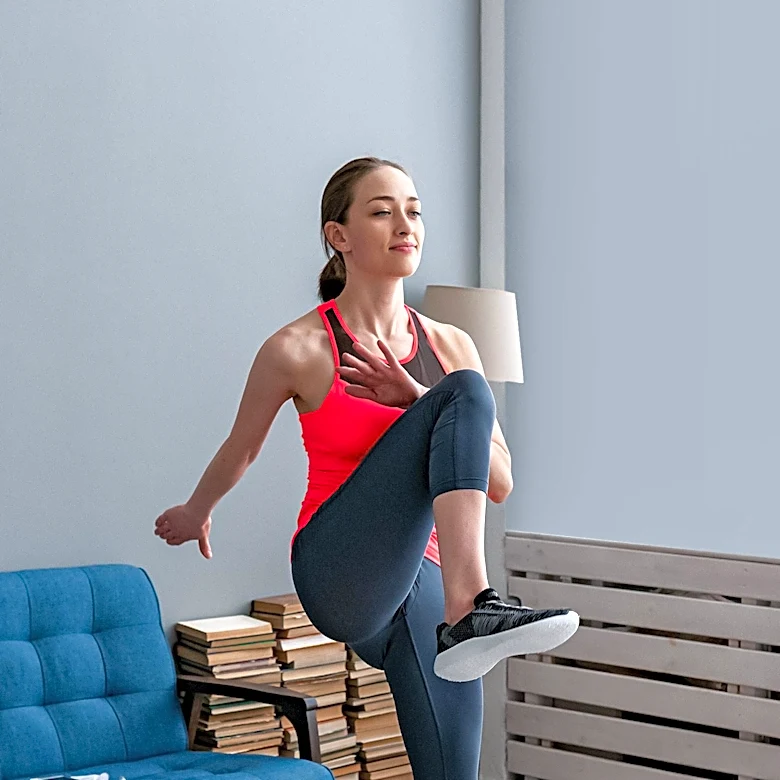
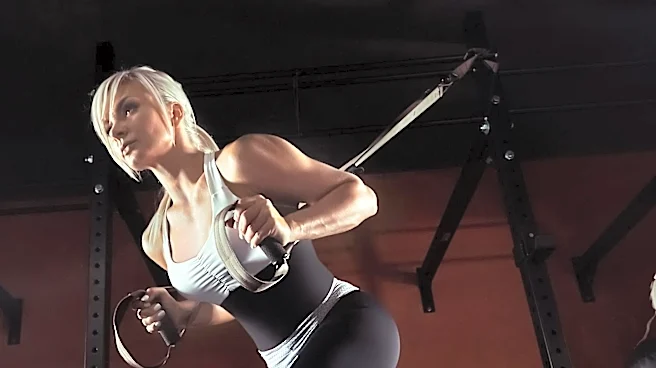
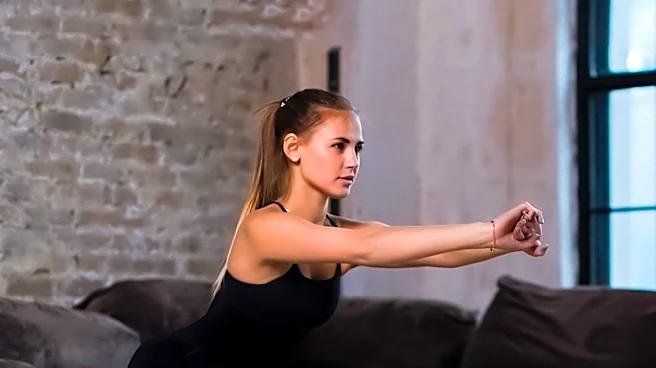
Many exercises specifically target the gluteus maximus and other muscles of the upper leg. These include hip thrusts, glute bridges, quadruped hip extensions, kettlebell swings, squats (and their variations like split squats, unilateral squats, and wide-stance lunges), deadlifts, reverse hyperextension, four-way hip extensions, and glute-ham raises. These exercises are crucial for developing and maintaining the strength and functionality of this vital muscle, which is not only important for athletic performance but also for everyday movements and overall physical stability.