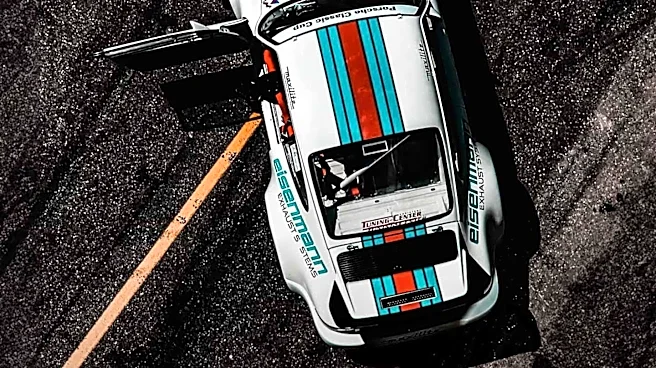


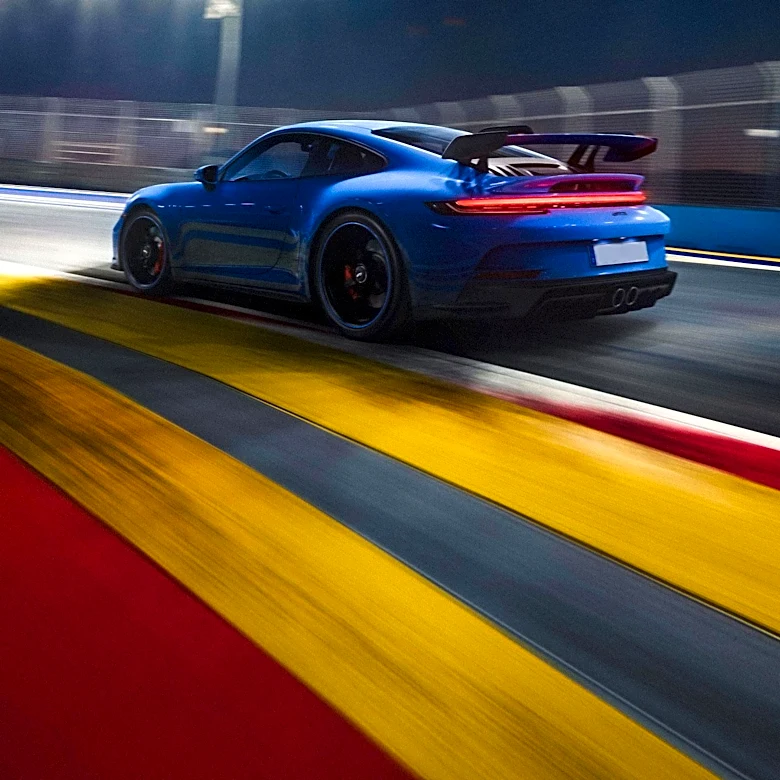


The Porsche Carrera Cup, often abbreviated as PCC, represents a significant facet of Porsche's motorsport strategy: one-make racing. These premier series initially featured the Porsche 911 Carrera Cup cars and later transitioned to the Porsche 911 GT3 Cup cars. These vehicles are specifically built by Porsche for the purpose of one-make racing, yet they maintain a strong visual and mechanical resemblance to their road-registrable 911 counterparts
of the same generation. This approach allows for competitive racing while showcasing the capabilities inherent in Porsche's production models.
A Tiered Structure for Global Competition
The Carrera Cup system is organized into three distinct tiers, creating a comprehensive pathway for drivers and teams. The pinnacle of this structure is the Porsche Supercup, established in 1993. This series holds immense prestige as the most prominent one-make series for GT cars. The Supercup races as a support program for the FIA Formula 1 World Championship, appearing at most, if not all, European Grands Prix, and occasionally at events in Asia and North America. This high-profile exposure elevates the series and its participants.
The second tier comprises the national Carrera Cups, which have a broad international presence. These championships are held in countries such as Australia, France, Germany, Italy, Japan, and the United Kingdom. Additionally, International Carrera Cups span multiple nations in Eastern Asia and the Scandinavian countries of Denmark, Finland, Norway, and Sweden. The longest-running and original series is the Porsche Carrera Cup Germany, which began in 1986 using the Porsche 964 Cup racing car. It has earned a reputation as one of the world's best-known Pro-Am GT series and has been instrumental in developing many future World Endurance Champions and Le Mans winners. It also serves as the primary feeder series for the Porsche Supercup, with many teams competing in both championships.
Proliferation and Driver Development
The early 2000s witnessed a rapid expansion of Carrera Cups, with Great Britain, Australia, Asia, and Scandinavia all launching their series within a four-year period, followed by Italy in 2007. This proliferation highlights the success and appeal of the one-make format. The third tier is known as the Porsche GT3 Cup Challenge or Porsche GT3 Cup Trophy, recently rebranded in some markets as the Porsche Sprint Challenge. This tier includes a mix of smaller series across Europe, including Switzerland, the Benelux nations (Belgium, Netherlands, Luxembourg), Central Europe, and the Middle East (Gulf States). Larger series also exist in the Americas, specifically the United States, Brazil, and Argentina, as well as in New Zealand.
Some GT3 Cup Challenge series utilize older Carrera Cup cars from previous generations of the Porsche 911, providing a cost-effective entry point into Porsche racing. For instance, the New Zealand and Australian GT3 Cup Challenges often use second-hand cars from the Carrera Cup Australia series. Notable drivers have emerged from these series, including Dutch racer Patrick Huisman, who won four Supercups consecutively from 1997 to 2000, and German driver René Rast, who secured three Supercups and two German Carrera Cups. The one-make GT series model, pioneered by Porsche, has also been adopted by other manufacturers for various models, demonstrating its widespread influence in motorsport.