






Ceviche, a vibrant cold dish of raw fish or shellfish marinated in citrus and seasonings, is a culinary staple across many Latin American countries along the Pacific Ocean. While its core principle involves the acidic "cooking" of seafood, the nuances of its preparation, the specific ingredients used, and the traditional accompaniments vary significantly from one region to another. This diversity highlights the rich culinary traditions and local flavors
that have shaped ceviche into a multifaceted dish, celebrated for its freshness and bold taste.
The Science and Style of Ceviche Preparation
The fundamental process of making ceviche involves marinating raw fish or shellfish in a citrus-based mixture, with lemons and limes being the most common choices. The citric acid in these fruits is not merely for flavor; it denatures the proteins in the seafood. This chemical reaction causes the fish to become opaque and firm, creating the appearance and texture of cooked seafood without any heat application. It's crucial to understand that this acid marination does not kill bacteria or parasitic worms, unlike traditional heat cooking. Therefore, ceviche must be prepared fresh and consumed immediately to minimize any risk of food poisoning.
Historically, traditional-style ceviche was marinated for approximately three hours. However, a modern style, popularized in the 1970s, significantly shortens this marinating period. In this contemporary approach, the fish can be marinated in the brief time it takes to mix the ingredients, serve, and bring the dish to the table. This quicker method, often compared to Japanese sashimi preparation, involves marinating the fish for only a few minutes and serving it promptly. Beyond the citrus, the marinade typically includes sliced or chopped onions and chopped cilantro. In some regions, such as Mexico, additional ingredients like tomatoes, avocados, and tomato sauce may be incorporated, adding further layers of flavor and texture.
Regional Flavors and Unique Accompaniments
While the core concept of ceviche remains consistent, each Latin American country, and often specific regions within them, has infused the dish with its own distinct character through unique garnishes and preparation methods. These regional variations showcase the incredible culinary creativity and local ingredient availability.
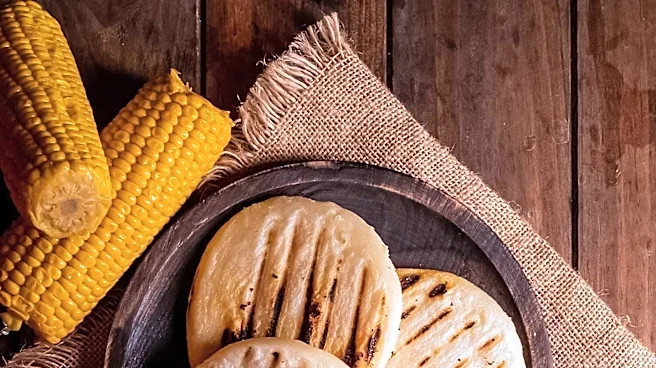
In Peru, where ceviche is the national dish, the classic version features chunks of raw fish, typically corvina or cebo (sea bass), marinated in freshly squeezed key lime juice, with sliced onions, chili peppers, salt, and pepper. Traditional Peruvian ceviche is often served with chunks of corn on the cob and slices of cooked sweet potato, which balance the dish's acidity. Regional or contemporary variations might include garlic, fish bone broth, minced Peruvian ají limo, or the Andean chili rocoto, along with toasted corn (cancha) and yuyo (seaweed). A specialty in Trujillo is shark ceviche, while lenguado (sole) is frequently used in Lima. Many Peruvian cevicherías also serve a small glass of the marinade, known as leche de tigre or leche de pantera, as an appetizer.
Ecuadorian ceviche presents another distinct profile. It often includes pieces of fish pickled in lemon juice, or shrimp cooked using tomato juice or water with shrimp shells, combined with sliced red onions, sliced tomatoes, salt, pepper, cilantro, and oil. It is traditionally served with toasted corn kernels, fried green plantain chunks (patacones), or thinly sliced plantain chips (chifles). Some Ecuadorian ceviches are seasoned with tomato sauce, mustard, and oil, with the Manabí style being particularly popular for its use of lemon juice, salt, and the shrimp's own cooking liquid, sometimes topped with peanut butter. Various local shellfish, such as black clam, oysters, or spondylus, are also used, often cooked. In Chile, ceviche frequently uses halibut or Patagonian toothfish, marinated in lime and grapefruit juices, with finely minced garlic, red chili peppers, and often fresh mint and cilantro. On Easter Island, tuna marinated in lemon juice and coconut milk is preferred. Colombian cebiches or shrimp cocktails often include tomato sauce, mayonnaise, garlic sauce, cilantro, chopped white onion, and lemon juice, served with saltine crackers.
Balancing Flavors: The Role of Accompaniments
Ceviche is often enjoyed as an appetizer, but when served as a main dish, it is typically accompanied by starchy sides designed to complement and balance its acidity. These accompaniments are integral to the overall dining experience, providing textural contrast and mitigating the sharp citrus notes. Common choices include sweet potato, lettuce, maize, avocado, or fried plantains. In Ecuador, popcorn or tostones are popular. In Colombia, Panama, and Guatemala, saltine crackers are a frequent pairing, though in some northern areas, cookies or toast are used as a garnish. Mexican ceviche is often served with corn tostadas or crackers. In Peru, boiled root vegetables like sweet potatoes, cassava, or potatoes, along with grains or seeds such as boiled or roasted corn, legumes, fried plantains, seaweed, or lettuce, are common. Sometimes, it can even be accompanied by chilcano, a broth made from fish heads. These diverse accompaniments underscore the adaptability of ceviche and its deep integration into local culinary traditions.