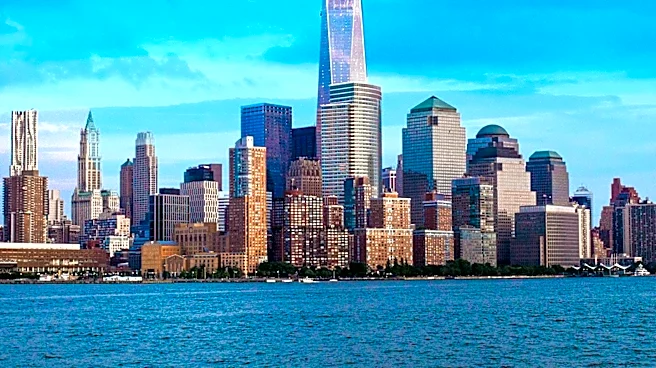




One World Trade Center, also known as the Freedom Tower, stands as a testament to resilience and renewal in the heart of New York City. Rising from the ashes of the original World Trade Center complex, which was destroyed in the September 11 attacks, the new tower is not only a marvel of modern architecture but also a symbol of hope and strength. Completed in 2013, it is the tallest building in the Western Hemisphere, embodying the spirit of a city
and a nation determined to rebuild and remember.
The Journey of Reconstruction
The journey to rebuild One World Trade Center began in the aftermath of the September 11 attacks, which left a void in the New York City skyline and the hearts of many. The original World Trade Center complex, including the iconic Twin Towers, was a symbol of economic power and architectural innovation. Its destruction prompted a global outpouring of grief and a resolve to rebuild.
The reconstruction process was fraught with challenges, including debates over design, security concerns, and financial hurdles. The Port Authority of New York and New Jersey, along with developer Larry Silverstein, played pivotal roles in navigating these obstacles. The final design, crafted by architect David Childs of Skidmore, Owings & Merrill, was unveiled in 2005, featuring a 1,776-foot-tall tower that pays homage to the year of American independence.
Architectural and Symbolic Significance
One World Trade Center's design is a blend of modern aesthetics and symbolic elements. The tower's height of 1,776 feet is a deliberate nod to the year the Declaration of Independence was signed, reinforcing its role as a symbol of freedom and resilience. The building's base is a fortified concrete structure, designed to withstand potential threats, while its glass facade reflects the sky, creating a sense of openness and transparency.
The tower's spire, reaching into the sky, serves as a beacon of hope and a reminder of the city's indomitable spirit. Inside, the building houses state-of-the-art office spaces, a public lobby adorned with art, and the One World Observatory, offering breathtaking views of the city and beyond.
A New Era for Lower Manhattan
The completion of One World Trade Center marked a new era for Lower Manhattan, transforming the area into a vibrant hub of business, culture, and tourism. The tower is part of a larger World Trade Center complex that includes the National September 11 Memorial & Museum, which honors the victims of the attacks and educates visitors about the events of that day.
The rebuilding of One World Trade Center has not only restored a vital part of New York City's skyline but also reinforced the city's reputation as a global center of innovation and resilience. As visitors and tenants fill its spaces, the tower stands as a living tribute to the past and a beacon of hope for the future.