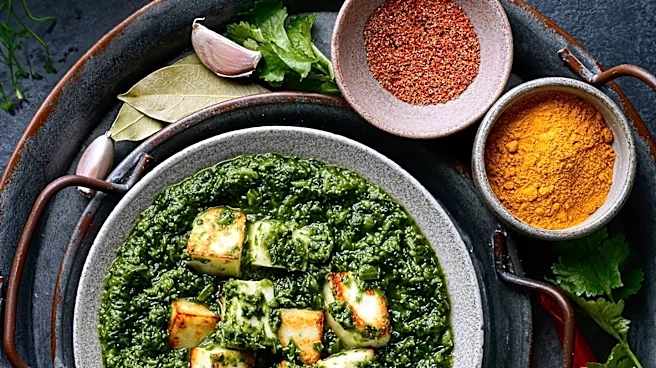







Palak paneer, a beloved vegetarian dish from the Indian subcontinent, is more than just a combination of spinach and cheese; it represents a rich culinary tradition with various adaptations and a notable cultural presence. While its core ingredients and preparation remain consistent, the dish has seen interesting variations, both traditional and modern, and is deeply embedded in the dining experiences of many. Its serving customs and the occasional
fusion experiments highlight its versatility and enduring appeal.
Distinguishing Palak Paneer from Similar Dishes
Understanding palak paneer often involves clarifying its relationship with similar Indian dishes, particularly those involving green leafy vegetables. The terms "palak chhena" and "saag chhena" are sometimes used interchangeably, especially in restaurants outside of India. However, a key distinction exists: palak paneer, or palak chhena, specifically features puréed spinach as its green base. The word "palak" itself means spinach in several Indian languages, including Hindi, Marathi, Gujarati, and Punjabi, underscoring this specificity.
In contrast, "saag chhena" is a broader category that can include other green leafy vegetables, such as mustard greens, alongside or instead of spinach. This differentiation is important for those seeking the authentic spinach-only flavor profile of palak paneer. Dhaba restaurants, known for their rustic and traditional Indian fare, frequently specialize in palak chhena, indicating its status as a classic and widely appreciated dish within Indian cuisine.
Traditional Serving and Accompaniments
Palak paneer is consistently served hot, a practice that ensures the full depth of its flavors and the optimal texture of its thick, spiced gravy. The choice of accompaniment is crucial to the traditional dining experience. It is most commonly paired with various Indian breads, such as roti, naan, parathas, or makki ki roti, which are ideal for scooping up the rich spinach and paneer mixture. Alternatively, it can be served alongside boiled rice, offering a different textural contrast and a way to enjoy the curry.
Beyond the main accompaniments, some traditional approaches suggest serving palak paneer with onions on the side. This simple addition can provide a fresh, sharp counterpoint to the creamy, savory curry, enhancing the overall dining experience. The emphasis on serving temperature and specific pairings highlights the thoughtful consideration given to how this dish is enjoyed.
Modern Adaptations and Culinary Conversations
While deeply rooted in tradition, palak paneer has also become a canvas for culinary innovation. Fusion variations have emerged, demonstrating the dish's adaptability to different culinary contexts. A notable example occurred in July 2020, when a food blogger based in Bangalore introduced a palak paneer idli. This creation combined the North Indian palak paneer with idli, a popular South Indian steamed rice cake.
This particular fusion dish sparked considerable conversation on social media platforms like Twitter and Instagram. The discussion centered on the unusual combination of these two distinct regional Indian dishes, showcasing how traditional recipes can inspire new and sometimes surprising culinary creations. Such adaptations reflect a dynamic food culture where classic dishes continue to evolve while retaining their fundamental appeal.