








The Billboard Hot 100 chart is a staple in the music industry, ranking the most popular singles in the United States. Since its inception in 1958, the chart has undergone numerous changes, reflecting shifts in music consumption and technology. This article delves into the historical development of the Billboard Hot 100, highlighting key changes and milestones that have shaped its evolution.
The Early Years
Before the Billboard Hot 100 was established, Billboard published
several singles charts, including "Best Sellers in Stores," "Most Played by Jockeys," and "Most Played in Jukeboxes." These charts varied in size, ranging from 20 to 100 slots, and were phased out in 1957 and 1958. The creation of the Hot 100 in 1958 marked a significant shift, as it consolidated these various charts into a single, comprehensive ranking system.
The early years of the Hot 100 were characterized by a focus on physical sales and radio airplay. Songs were ranked based on their performance in these areas, providing a snapshot of the most popular music in the country. This system remained largely unchanged for several decades, serving as a reliable barometer of musical success.
Technological Advancements and Methodology Changes
As technology advanced, so too did the methodology behind the Hot 100. The introduction of digital sales and online streaming in the 21st century prompted Billboard to adapt its ranking criteria. These changes were necessary to accurately reflect the ways in which people consumed music, as digital platforms became increasingly popular.
Incorporating digital sales and streaming data allowed the Hot 100 to remain relevant in a rapidly changing music landscape. This shift also led to a more dynamic chart, with songs experiencing quicker rises and falls in popularity. The inclusion of these new metrics ensured that the Hot 100 continued to provide an accurate representation of the most popular songs in the United States.
Milestones and Records
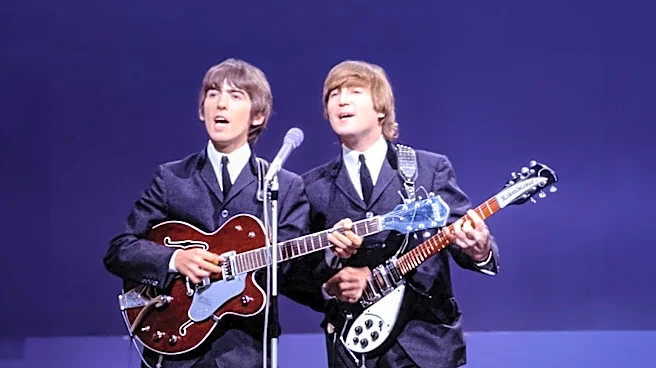
Throughout its history, the Billboard Hot 100 has seen numerous records and milestones. The Beatles hold the record for the most number-one hits, with 20 songs reaching the top position. Mariah Carey's "All I Want for Christmas Is You" holds the record for the longest run at number one, spending 22 weeks at the top.
These achievements highlight the enduring impact of the Hot 100 on the music industry. As artists strive to reach the top of the chart, the Hot 100 continues to serve as a benchmark for success. Its ability to adapt to changes in music consumption ensures that it remains a vital part of the industry, reflecting the tastes and preferences of music fans across the country.