







Zen Buddhism has profoundly influenced Japanese culture, shaping various aspects of art, architecture, and social practices. This article delves into the cultural impact of Zen, highlighting its contributions to Japanese aesthetics and societal norms.
Zen and the Arts
Zen Buddhism's emphasis on simplicity and discipline has left a lasting mark on Japanese arts. Zen temples became centers for ink painting and calligraphy, fostering a style characterized by restraint
and composure. The connection between Zen and the arts is evident in the works of figures like Musō Soseki, who supported poetry and temple gardens.
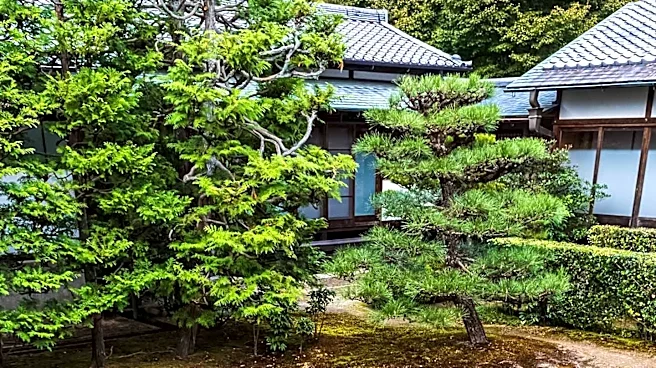
The tea ceremony, deeply intertwined with Zen principles, exemplifies the aesthetic of simplicity and mindfulness. Zen's influence is also seen in the design of Japanese gardens, which reflect the Zen ideals of harmony and tranquility. These cultural forms, while not originating solely from Zen, were significantly shaped by Zen monks and patrons.
Architectural Contributions
Zen Buddhism has contributed to the development of Japanese architecture, particularly through its temples. Zen temples are known for their minimalist design, emphasizing natural materials and open spaces. This architectural style reflects Zen's focus on inner peace and contemplation.
The integration of Zen principles into architecture is evident in the design of spaces that encourage meditation and reflection. Zen temples served not only as places of worship but also as centers for education and diplomacy, further embedding Zen's influence in Japanese society.
Social Practices and Norms
Zen Buddhism has influenced social practices in Japan, particularly through its emphasis on mindfulness and equanimity. Zen teachings encourage living in the present moment, fostering a sense of calm and composure in daily life. This approach has permeated various aspects of Japanese culture, from business practices to interpersonal relationships.
The concept of "beginner's mind," central to Zen practice, promotes openness and curiosity, encouraging individuals to approach life without preconceptions. This mindset has contributed to a culture of continuous learning and adaptation, influencing educational and professional environments.
Zen's impact on Japanese culture is profound, shaping not only artistic and architectural expressions but also social norms and practices. Its principles of simplicity, mindfulness, and discipline continue to resonate in contemporary Japan, reflecting Zen's enduring legacy.