




The United States Football League (USFL) may have been short-lived, but its influence on American football is undeniable. From providing opportunities for players and coaches to challenging the NFL's monopoly, the USFL played a significant role in shaping the landscape of professional football. This article explores the league's impact on players, coaches, and the NFL.
Opportunities for Players and Coaches
The USFL was regarded as a relatively good product on the field, attracting many
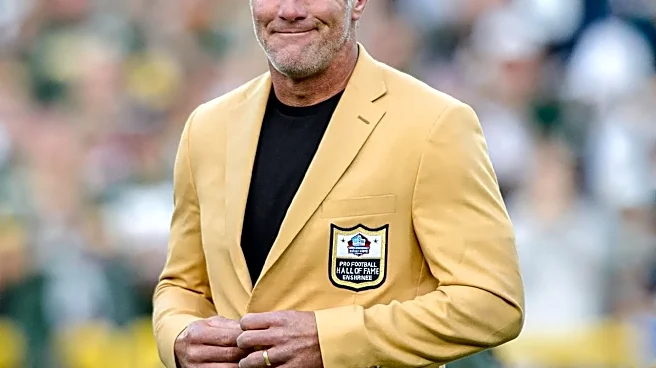
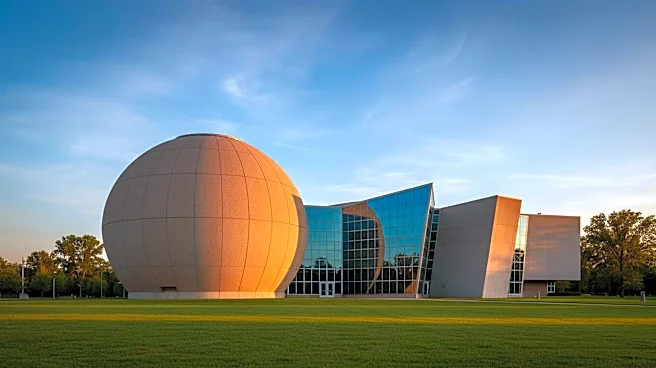
coaches and team executives with NFL experience. It provided a platform for future top NFL players and coaches to showcase their talents, with several later inducted into the Pro Football Hall of Fame and the College Football Hall of Fame.
The league's lack of a hard salary cap allowed teams to engage in bidding wars for star players, offering lucrative contracts that rivaled those in the NFL. This competition helped raise player salaries across the board, benefiting athletes in both leagues.
Challenging the NFL's Monopoly
The USFL's decision to compete directly with the NFL in the fall was a bold move aimed at breaking the established league's monopoly over professional football. The USFL filed an antitrust lawsuit against the NFL, claiming it had monopolized television broadcasting rights and stadium access.
Although the lawsuit resulted in a nominal victory for the USFL, with the jury ruling that the NFL had violated anti-monopoly laws, the league was awarded only $1 in damages. Despite the outcome, the lawsuit highlighted the NFL's dominance and prompted discussions about competition and fairness in professional sports.
Legacy and Influence
While the USFL ultimately folded after three seasons, its legacy continues to influence American football. The league's innovative approach to player contracts and television deals paved the way for future negotiations in the NFL. The USFL also demonstrated the viability of spring football, leading to the creation of other leagues that sought to fill the void left by its demise.
The USFL's impact on players and coaches is evident in the number of individuals who transitioned to successful careers in the NFL. The league served as a proving ground for talent, offering opportunities that might not have been available otherwise.
In conclusion, the USFL's influence on American football extends beyond its brief existence. By challenging the NFL's monopoly and providing a platform for players and coaches, the league left a lasting mark on the sport. Its legacy serves as a reminder of the potential for innovation and competition in professional football.