



Masanori Murakami, celebrated as the first Japanese player in Major League Baseball, transitioned from a groundbreaking pitching career to a multifaceted post-baseball life. His activities extended far beyond the diamond, encompassing roles as a commentator and analyst for baseball games, a newspaper columnist, and a dedicated advocate for various social causes. Murakami's commitment to community and international relations demonstrates a profound
impact that reaches well beyond his athletic achievements, solidifying his legacy as a significant figure both in sports and public service.
A Voice in Baseball and Beyond
After concluding his professional playing career, Masanori Murakami remained deeply connected to the world of baseball, albeit in a different capacity. He became a prominent commentator for Nippon Professional Baseball (NPB) games, with his insights broadcast on NHK, a major Japanese public broadcaster. This role allowed him to share his extensive knowledge and experience of the game with a wide audience, offering expert analysis and contributing to the public's understanding and enjoyment of baseball.
In addition to his commentary work, Murakami also ventured into sports journalism, writing for the *Daily Sports* newspaper. This dual role as a commentator and writer showcased his versatility and continued passion for the sport. His ability to articulate the nuances of baseball, both verbally and in print, cemented his status as a respected voice in Japanese baseball culture, providing valuable perspectives from a former pioneering player.
Philanthropy and International Advocacy
Masanori Murakami's post-baseball life is notably characterized by his significant contributions to philanthropy and international advocacy. For over a decade, he served as a founding board member for the Special Olympics Japan. In this capacity, he actively promoted understanding and acceptance for individuals with mental disabilities in Japan, using his public platform to champion an important social cause. His long-term involvement highlights a deep personal commitment to fostering inclusivity and support within his community.
Furthermore, Murakami extended his humanitarian efforts to a global scale by serving as an advisor to the U.N. High Commissioner for Refugees in Japan. This role underscored his dedication to addressing international humanitarian issues and supporting vulnerable populations. He also organized an annual golf charity competition, which successfully raised funds for various good causes. Notably, these efforts included providing support for victims of the 9/11 terrorist attack, demonstrating his broad philanthropic reach and his willingness to contribute to relief efforts for significant global tragedies. His work in these areas illustrates a profound sense of social responsibility and a desire to make a positive impact on the world.
Promoting Diversity and Recognition
Murakami's commitment to diversity was further exemplified by his role as the manager of Japan's national women's baseball team. This position allowed him to actively promote and support women's participation in baseball, breaking traditional barriers and fostering a more inclusive environment within the sport. His leadership in this capacity was instrumental in advancing the visibility and development of women's baseball in Japan.
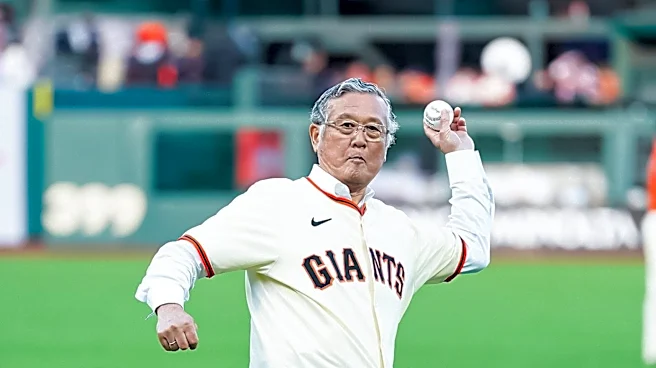
His pioneering legacy has also been recognized through various honors. In 2004, on the occasion of the 150th anniversary of Japan-U.S. relations, Murakami was awarded the Certificate of Commendation by the Minister of Foreign Affairs, acknowledging his role in bridging cultural divides through baseball. The San Francisco Giants, his former MLB team, have also honored him on multiple occasions, including during "Japanese Heritage Night" events. These recognitions, such as a limited-edition bobblehead in 2008 and a bust in 2014 to commemorate the 50th anniversary of his MLB debut, underscore the lasting impact of his career and his continued importance as a cultural ambassador.