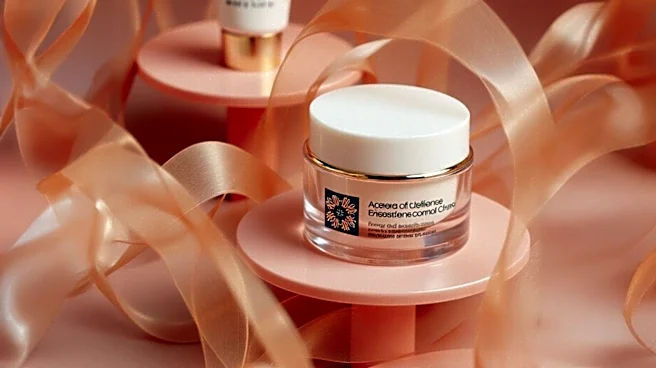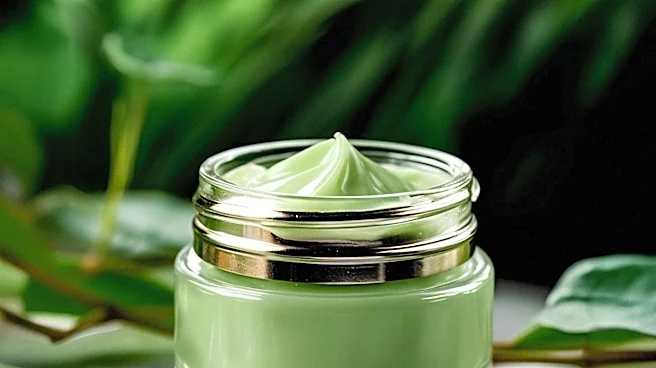


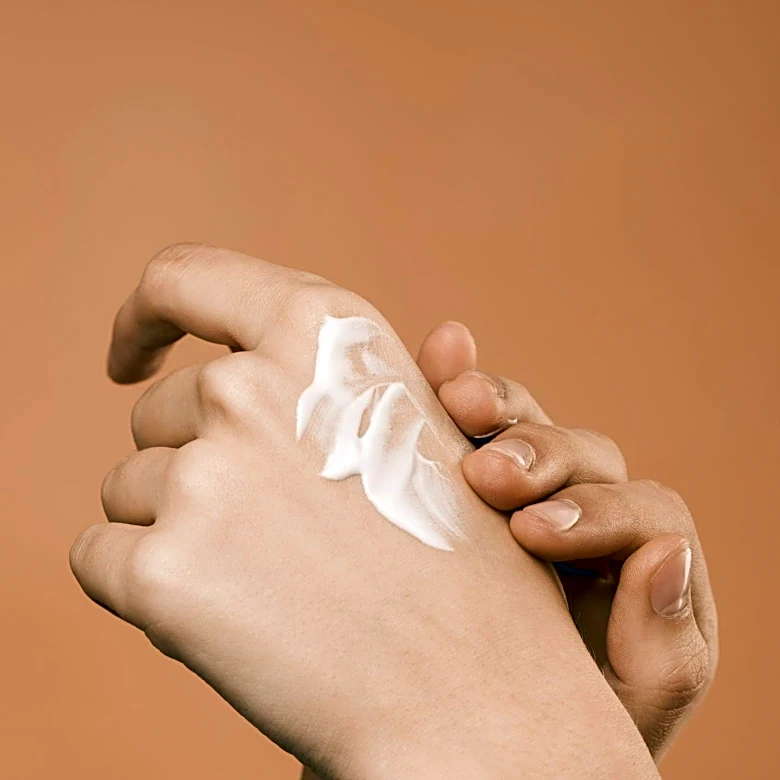
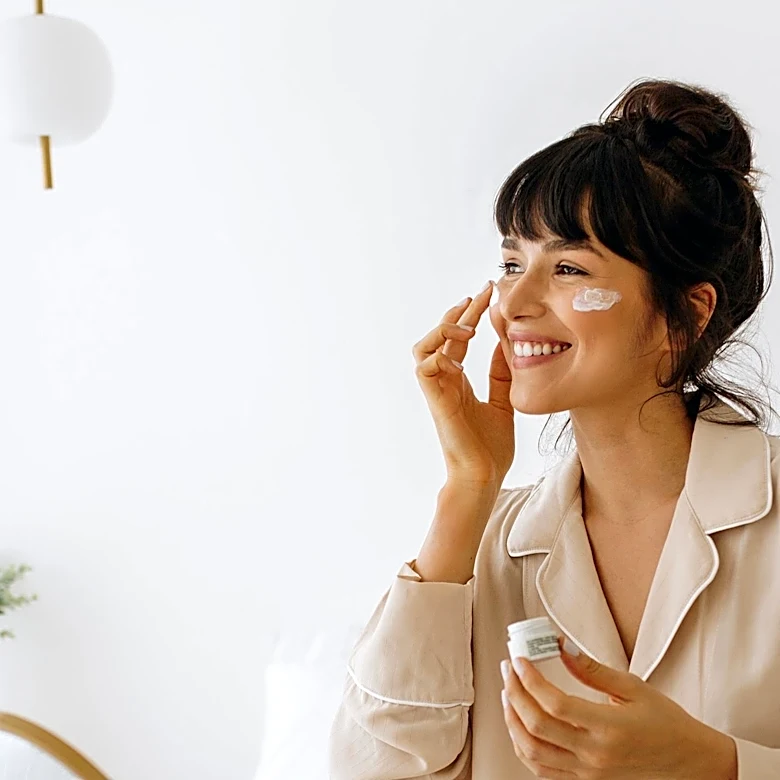
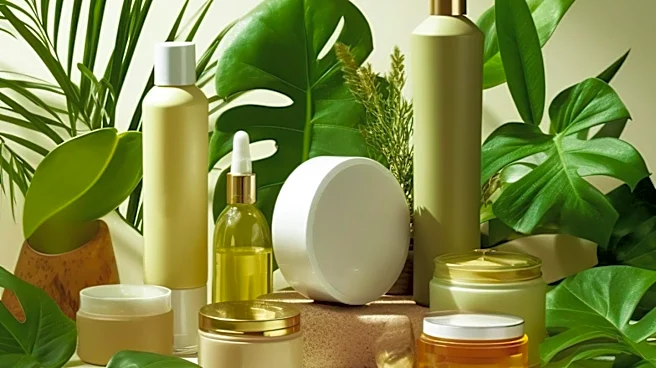

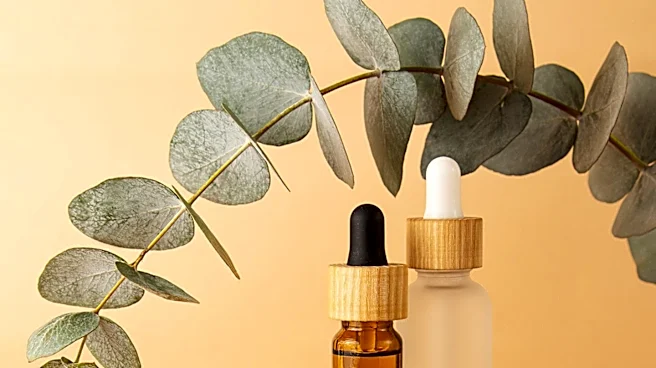
Natural skin care, which involves topical creams and lotions made from ingredients found in nature, has a rich history that spans ancient civilizations to contemporary consumer trends. These natural ingredients can include plant-derived elements such as herbs, roots, flowers, and essential oils, as well as animal-derived products like beeswax and various minerals. The journey of natural skin care reflects a continuous human interest in harnessing
nature's bounty for personal well-being and beauty, evolving significantly over time in response to both traditional knowledge and modern scientific inquiry.
Ancient Roots and Traditional Wisdom
Since ancient times, many cultures have utilized plant extracts and herbs as cosmetics and perfumes. This long-standing tradition highlights an early understanding of the beneficial properties of natural substances for skin care. Research today often looks back at these ancient practices, scientifically assessing natural products that were selected based on experiences from these earlier eras. This historical foundation provides a valuable starting point for understanding the enduring appeal and potential efficacy of natural ingredients.
However, while ancient wisdom offers guidance, the validated use of these traditional materials and products in a modern context still requires further scientific assessment. This blend of historical practice and contemporary research underscores the ongoing effort to understand and confirm the benefits that our ancestors intuitively recognized in nature's offerings. The continuity of using natural elements for skin care demonstrates a timeless connection between humans and their environment.
Modern Consumer Preferences and Industry Response
In recent times, there has been a notable surge in consumer preference for skin products that feature organic and natural ingredients. This shift has fueled strong growth within the natural products segment of the skin care market. Consumers today are increasingly seeking products that align with a perception of being healthier or more environmentally friendly, often associating "natural" with fewer artificial additives.
This consumer demand has prompted the industry to respond by developing and marketing a wider array of natural skin care options. Clinical and laboratory studies have begun to identify beneficial activities in many natural ingredients, providing some scientific backing for these preferences. Dermatologists may also find sufficient scientific evidence to guide the selection of specific natural ingredients for their patients. Furthermore, consumers expect these products to perform as advertised, pushing manufacturers to ensure efficacy alongside natural composition.
Industry Self-Regulation and Certification
The natural products industry has also taken steps towards self-regulation and transparency. For instance, there has been a voluntary discontinuation of precursor substances that release small quantities of formaldehyde, a known carcinogen. Efforts have also been made to reduce levels of 1,4-dioxane, another potentially carcinogenic impurity. Additionally, polycyclic musk fragrance ingredients, which have raised concerns as persistent and bioaccumulative endocrine disruptors, are being phased out.
Organizations like the Natural Products Association (NPA) play a crucial role in representing manufacturers and retailers of natural products, including natural ingredient cosmetics. The NPA offers certification programs, such as the NPA Natural Seal, which requires certified products to contain at least 95 percent natural ingredients or ingredients from natural sources, excluding water. These certified products must also avoid ingredients with health risks, refrain from animal testing, and incorporate biodegradable or recycled materials in their packaging. Such initiatives help to build consumer trust and provide a clearer definition of what constitutes a "natural" product in a commercially extended sense.