






Permanent makeup, also known as permanent cosmetics, derma-pigmentation, micro-pigmentation, semi-permanent makeup, or cosmetic tattooing, is a specialized cosmetic technique. It involves the use of tattoos to create designs that mimic traditional makeup, such as eyeliner, lip color, and other permanent enhancements to the skin of the face, lips, and eyelids. Beyond aesthetic desires, this technique serves crucial roles in addressing various medical
conditions and personal circumstances, offering a long-lasting solution for individuals seeking convenience, correction, or restoration.
Historical Roots and Modern Popularity
The concept of permanent makeup has a documented history, with one of the earliest widely recognized applications attributed to the U.K. tattoo artist Sutherland MacDonald. In 1902, at his London parlor, MacDonald was noted for perfecting a method to give a lasting, delicate complexion to pale cheeks. Later, in the 1930s, tattooist George Burchett described how beauty salons would tattoo women, sometimes without their full knowledge, presenting it as a "complexion treatment" involving the injection of vegetable dyes under the skin.
Permanent makeup saw a significant increase in popularity starting in the 1970s and 1980s. During this period, its use expanded to address hair and pigment loss resulting from various diseases. Today, it is considered a very normal and accepted practice, reflecting its evolution from a niche service to a more mainstream cosmetic and restorative option.
Diverse Reasons for Application
Individuals choose permanent makeup for a multitude of reasons. For many, it offers a practical alternative to the daily application of conventional makeup products, providing a more enduring solution. This can be particularly beneficial for older women whose eyesight may not be sharp enough for precise makeup application, or for those with degenerative diseases like Parkinson's, which can severely limit motor skills necessary for applying makeup.
Beyond convenience, permanent makeup plays a vital role in restoring color to areas that have lost it due due to illness or injury. This includes micro-pigmentation for people suffering from conditions such as alopecia, which causes hair loss, or vitiligo, a condition resulting in patches of skin losing their pigment. It is also used for areola recoloring for breast cancer patients, helping to restore appearance after breast surgery. Furthermore, permanent makeup can be used to disguise scars and hypopigmentation, and even to create the illusion of more hair volume on the scalp. In some African cultures, certain tattoos used for signifying status also fall under the umbrella of permanent cosmetic practices.
Popular Procedures and Technician Standards
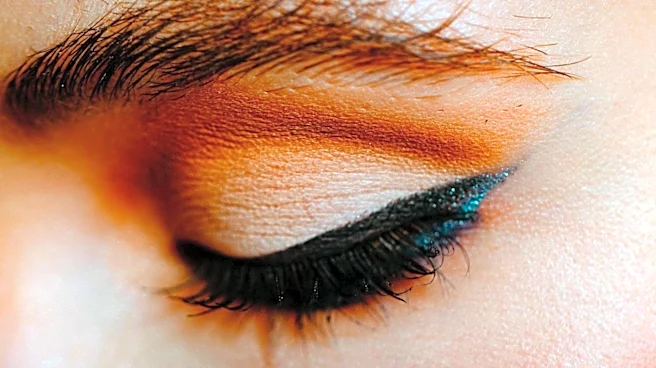
Among Americans, some of the most common permanent makeup procedures include eyebrows and eyeliner. However, the scope of permanent makeup extends to full lip color, lip liner, nipple/areola pigmentation, burn/scar camouflage/repigmentation, and scalp tattooing. Eyeshadow is also a type of permanent makeup.
Technicians who perform these procedures are required to complete specific training, though these requirements can vary by state. An average apprenticeship might last around nine months, while certification programs can range from a single day to four years. Upon certification, technicians must submit proof of their qualifications, apprenticeship, and insurance before they can practice. Adherence to "standard precautions" and a uniform code of safe practice is urged for all cosmetic tattooing procedures, emphasizing the importance of assessing patient suitability and adequately informing them about associated risks.