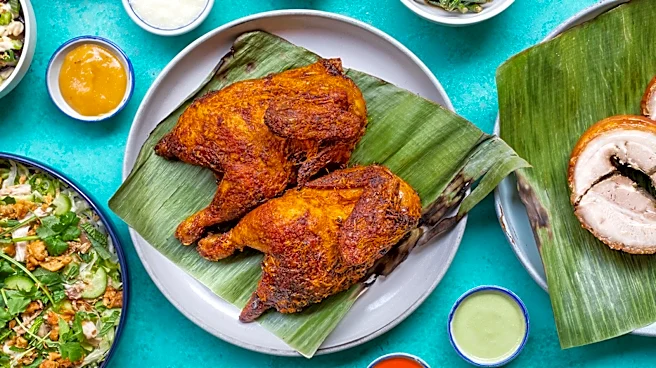

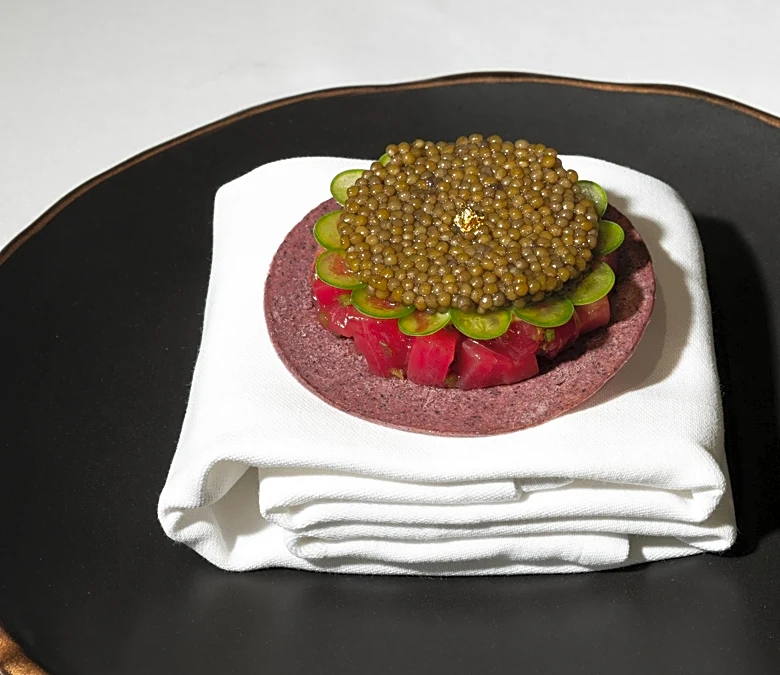









Filipino cuisine is renowned for its rich flavors and diverse ingredients, which have been shaped by centuries of cultural exchange and adaptation. The use of both native and introduced ingredients has played a crucial role in defining the unique culinary identity of the Philippines. This article explores the significance of these ingredients and their impact on Filipino culinary traditions.
Native Ingredients and Their Cultural Significance
The Philippines is home to a wide variety of native ingredients
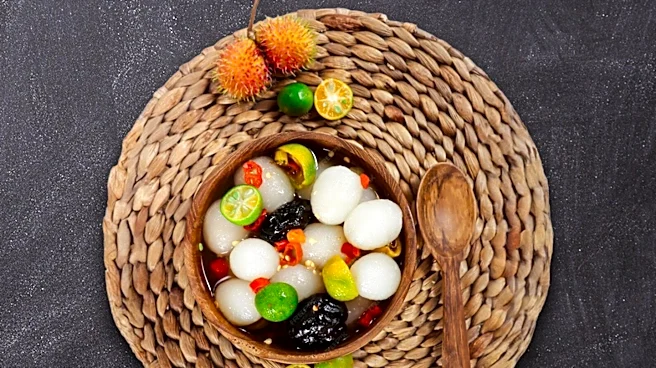
that have been integral to its culinary traditions. Fruits like calamansi, a small citrus fruit, and tabon-tabon, a tropical fruit used for its antibacterial properties, are commonly used to enhance the flavors of dishes. These ingredients not only contribute to the distinct taste of Filipino cuisine but also reflect the country's rich biodiversity.
Coconut is another staple ingredient in Filipino cooking, used in various forms such as coconut milk, coconut oil, and grated coconut. It is a key component in many traditional dishes, including ginataan, a coconut milk-based stew, and buko pie, a popular dessert. The versatility of coconut highlights its importance in Filipino culinary practices and its role in connecting different regions of the archipelago.
The Influence of Introduced Ingredients
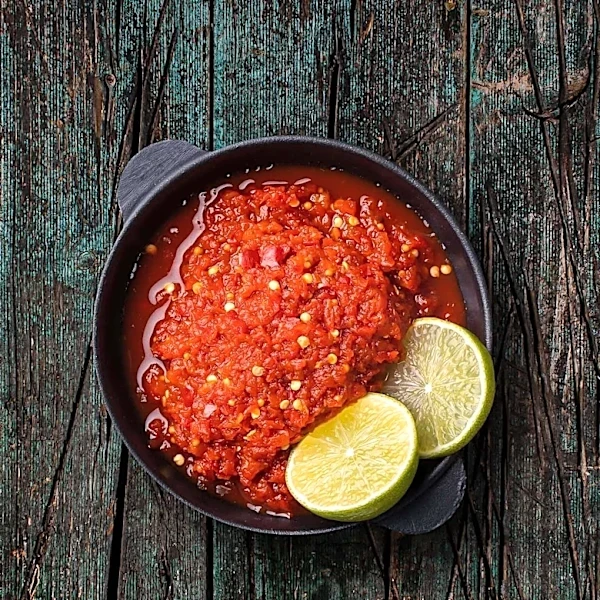
The introduction of foreign ingredients through trade and colonization has significantly influenced Filipino cuisine. The Manila galleon trade brought new crops from the Americas, such as tomatoes, potatoes, and chili peppers, which have since become staples in Filipino cooking. These ingredients were adapted to local tastes and incorporated into traditional dishes, resulting in a fusion of flavors that characterizes Filipino cuisine today.
Chinese traders also introduced ingredients like soy sauce, tofu, and various vegetables, which have become essential in Filipino kitchens. Soy sauce, for example, is a key ingredient in adobo, one of the country's most iconic dishes. The integration of these foreign ingredients into Filipino cuisine demonstrates the adaptability and creativity of Filipino cooks in incorporating new flavors into their culinary repertoire.
The Ongoing Evolution of Filipino Ingredients
As Filipino cuisine continues to evolve, new ingredients and cooking techniques are being introduced and adapted. The global popularity of Filipino food has led to increased access to international ingredients, allowing for further experimentation and innovation in Filipino cooking. This ongoing evolution ensures that Filipino cuisine remains dynamic and relevant in the modern culinary landscape.
In conclusion, the role of ingredients in Filipino cuisine is a testament to the country's rich history and cultural diversity. The combination of native and introduced ingredients has shaped the unique flavors and culinary traditions of the Philippines, making it a vibrant and integral part of the nation's cultural identity.