




The creation of medieval manuscripts was a labor-intensive process that required a high level of skill and artistry. These hand-written texts were not only vehicles for preserving knowledge but also works of art in their own right. This article delves into the craftsmanship involved in producing medieval manuscripts, highlighting the techniques and materials used by scribes and illuminators.
The Art of Scribing
Scribes were the backbone of manuscript production, responsible
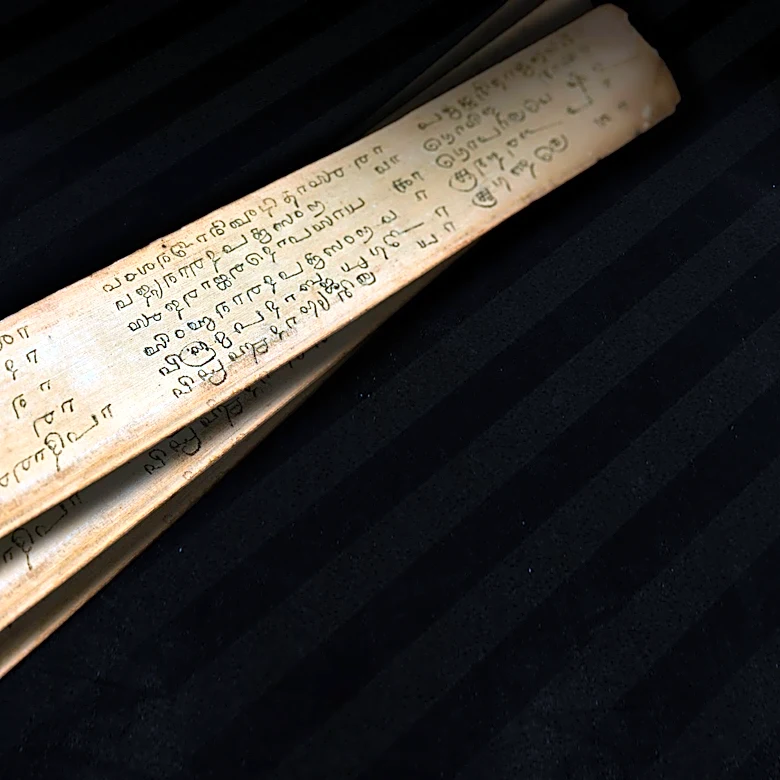
for the meticulous hand-copying of texts. This task required precision and patience, as even the smallest error could compromise the integrity of the entire manuscript. Scribes often worked in scriptoriums, dedicated spaces within monasteries or universities where they could focus on their craft without distractions.
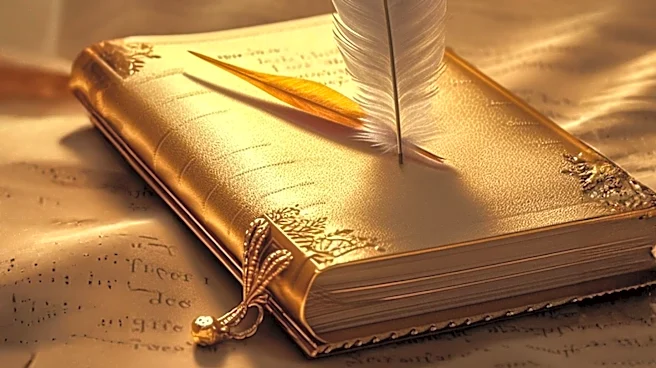
The process of scribing involved several steps, beginning with the preparation of the writing surface. Parchment, made from animal skins, was the most common material used for manuscripts. It was carefully treated and smoothed to create a suitable surface for writing. Scribes used quills, typically made from bird feathers, to apply ink to the parchment. The ink itself was often made from natural materials, such as soot or plant extracts, and had to be carefully prepared to ensure consistency and durability.
The Role of Illuminators
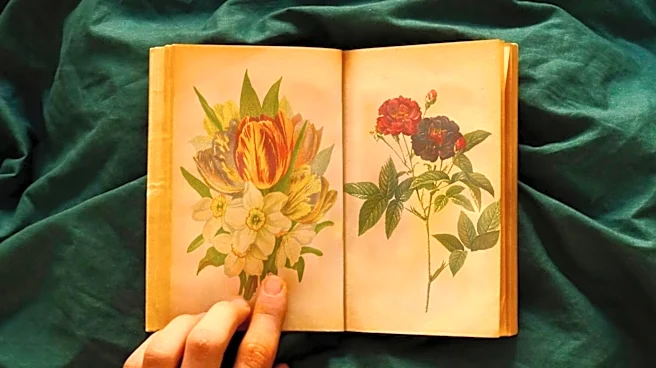
In addition to the text, many medieval manuscripts featured elaborate decorations and illustrations, known as illuminations. These embellishments were the work of skilled artists known as illuminators, who added visual elements to enhance the manuscript's aesthetic appeal and convey additional meaning.
Illuminators used a variety of techniques to create their artwork, including the application of gold leaf, vibrant pigments, and intricate designs. The use of gold leaf, in particular, gave manuscripts a luxurious and prestigious appearance, reflecting the importance of the text within. Illuminations often depicted religious scenes, mythological figures, or intricate patterns, adding depth and richness to the manuscript.
Collaboration and Innovation
The production of medieval manuscripts was often a collaborative effort, with scribes and illuminators working together to create a cohesive and harmonious work. This collaboration extended to the selection of materials and the planning of the manuscript's layout, ensuring that the text and illustrations complemented each other.
Innovation was also a key aspect of manuscript craftsmanship. As the demand for manuscripts grew, new techniques and materials were developed to improve efficiency and quality. The transition from vellum to paper, for example, allowed for faster and more cost-effective production. Similarly, the development of the pecia system enabled multiple scribes to work on a single text simultaneously, increasing the speed of production without sacrificing quality.
The craftsmanship of medieval manuscripts is a testament to the skill and dedication of the artisans who created them. These works of art not only preserved the knowledge of their time but also left a lasting legacy of beauty and creativity that continues to inspire and captivate us today.