




The classic "Nightmare at 20,000 Feet" episode of *The Twilight Zone* has left an indelible mark on popular culture, so much so that its core premise has been revisited and reimagined multiple times. Originally airing as the fifth episode of the fifth season, this tale of an airline passenger's terrifying encounter with a gremlin on a plane has seen significant adaptations, including a segment in *Twilight Zone: The Movie* and a modern reinterpretation
in the 2019 reboot series. Each version, while retaining the central theme of airborne terror, introduces unique elements and narrative shifts that reflect the changing times and creative visions of their respective creators.
The Original Terrors of Robert Wilson
The 1963 *Twilight Zone* episode introduces Robert Wilson, a 37-year-old salesman on sick leave, recovering from a nervous breakdown that began on a previous flight. As he travels by airplane on a dark, stormy night, Wilson sees a gremlin on the wing outside his window. His attempts to alert his wife, Julia, and the stewardess are met with skepticism, as the creature consistently hides whenever others look. Wilson's credibility is further undermined by his recent hospitalization, making his claims seem like a relapse into mental instability. Despite being given a sedative, which he fakes taking, Wilson's conviction grows that the gremlin is tampering with the aircraft's engines, threatening to cause a crash. In a desperate act, he takes a sleeping police officer's revolver, opens an emergency exit window, and shoots at the gremlin, causing it to fall off the wing. Upon landing, Wilson is taken away in a straitjacket, but the final scene reveals damage to the aircraft's engine, subtly vindicating his seemingly insane account.
This original narrative establishes a powerful ambiguity: was Wilson truly seeing a gremlin, or was it a manifestation of his mental breakdown? The damaged engine at the end suggests a tangible threat, yet the lack of direct evidence linking it to a gremlin leaves room for doubt, making the episode a masterclass in psychological horror.
John Valentine's Cinematic Panic
Two decades later, the story was remade in 1983 as a segment of *Twilight Zone: The Movie*, directed by George Miller. This version features John Valentine, played by John Lithgow, who suffers from a severe fear of flying. As the plane flies through a violent thunderstorm, Valentine experiences a panic attack in the lavatory before being coaxed back to his seat by flight attendants. He then spots a hideous gremlin on the wing, which he observes wreaking havoc and damaging the plane's engine. Valentine's panic escalates, leading him to attempt to break the window with an oxygen canister. He is wrestled down by another passenger, an off-duty security guard, but manages to take the passenger's gun. He shoots out the window, causing a breach in the pressurized cabin, and fires at the gremlin. The creature, now alerted, rushes towards Valentine, destroys the gun, and then leaps away into the sky.
Similar to the original, Valentine is dismissed as insane by the police, crew, and passengers. However, as a straitjacketed Valentine is carried off in an ambulance, claiming heroism, the aircraft maintenance crew discovers significant damage to the plane's engines, complete with claw marks. This cinematic adaptation amplifies the visual horror of the gremlin and the intensity of Valentine's breakdown, while still maintaining the core ambiguity and the eventual, albeit indirect, confirmation of his claims.
The 2019 Reboot: A Modern Twist on Airborne Dread
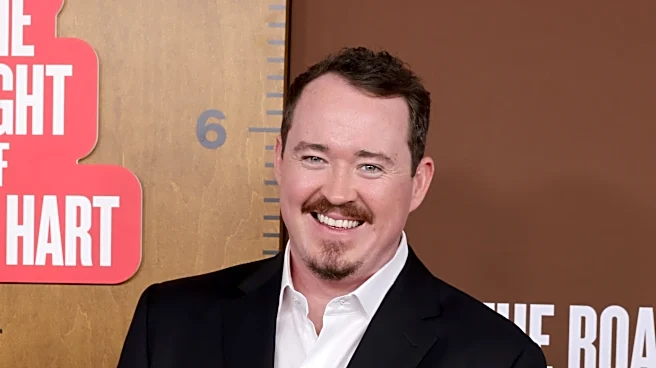
The 2019 reboot series offered a significantly different take with its episode, "Nightmare at 30,000 Feet," starring Adam Scott. This version largely removes the gremlin, though it makes a cameo as a doll. Instead, the plot centers on Justin Sanderson, a magazine journalist suffering from PTSD, boarding Golden Airways Flight 1015 to Tel Aviv. He discovers an MP3 player with a podcast called Enigmatique, which chillingly describes a "Flight 1015" that was lost without explanation. Sanderson's attempts to investigate and warn others about the podcast's predictions only annoy passengers and crew.
He learns that the pilot's last words in the podcast were "Good night, New York" and desperately tries to prevent the pilot from saying them. Restrained by an air marshal, Sanderson is approached by Joe Beaumont, a former pilot who believes him. They deduce that the flight number and departure time are the cockpit code, allowing Beaumont to take control. Beaumont, subduing passengers with oxygen deprivation, reveals his plan to crash the plane to atone for past failures, signing off with "Good night, New York." Sanderson realizes he inadvertently caused the crash. He awakens on an island, where the MP3 player reveals all other passengers and crew survived and were rescued, except for him. The survivors blame Sanderson, beating him to death as the burning wreckage of Flight 1015 is seen offshore. This modern adaptation shifts the horror from an external monster to a self-fulfilling prophecy and the psychological torment of a man trapped by information he cannot escape, offering a contemporary reflection on fear and fate.
Short Story Origins and Thematic Consistency
The original *Twilight Zone* episode was based on a short story that appeared in 1961 in *Alone by Night*. The short story, while sharing the core premise, presents some notable differences. In the story, the character is Arthur Jeffrey Wilson, flying alone, and his wife is named Jacqueline. He has two sons, and he brings the gun aboard undetected, experiencing nausea and taking Dramamine pills, which explains his anxiety. Unlike the TV episode, the short story does not detail a prior nervous breakdown or hospitalization as the background for his anxiety; instead, Wilson is suicidal and contemplates shooting himself. The creature is described as a "filthy little animal" but also as a "man" with "a face not human," maintaining the ambiguity. Both the story and the episode conclude ambiguously, with the story relying on Wilson's account and the episode showing the damaged engine as suggestive evidence. Despite these variations, the central theme of a lone individual witnessing an unseen horror that threatens an aircraft, and being dismissed as insane, remains a powerful and consistent thread across all iterations, cementing "Nightmare at 20,000 Feet" as a timeless exploration of fear and perception.