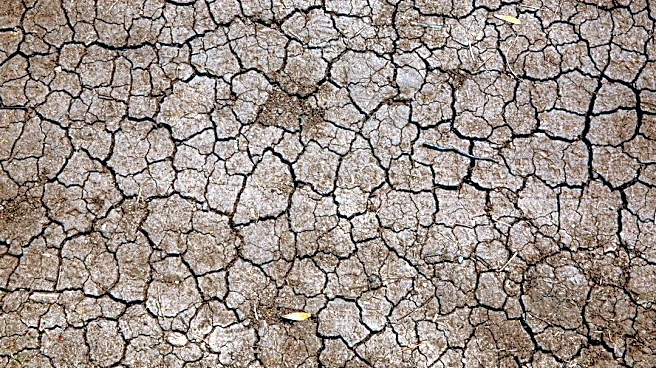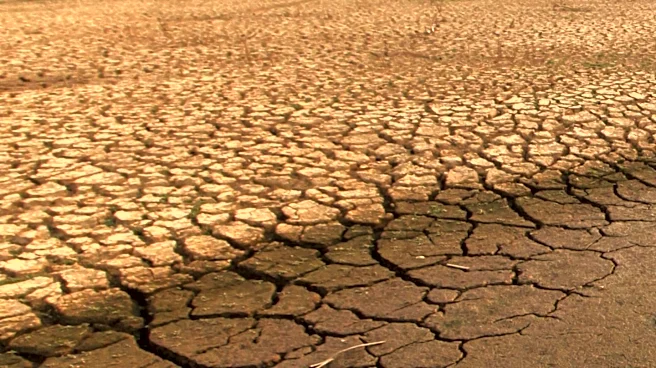









The year 2020 brought significant environmental challenges to North America, marked by extensive heat waves and severe drought conditions. These events spanned from June through the end of the year, primarily affecting the central and western United States. The consequences were far-reaching, leading to substantial human casualties and billions of dollars in damages. This period also saw several temperature records shattered, highlighting the intensity
of the climatic conditions experienced across the continent, from the deserts of California to the urban centers of Los Angeles and the Caribbean island of Cuba.
Widespread Impact Across the United States
The heat wave and drought that gripped much of the central to western United States in 2020 had devastating effects. This prolonged period of extreme weather was directly responsible for 45 deaths and an estimated $5.3 billion in damages. The dry and hot conditions created an environment ripe for wildfires, which subsequently became a major crisis across the region. These wildfires, fueled by the ongoing heat and drought, were exceptionally large and destructive.
Beyond the direct impacts of heat and drought, the wildfires they spawned added another layer of catastrophe. These fires led to an additional 46 deaths and caused an staggering $19.4 billion in damages. The combination of these events presented a severe challenge to communities and economies throughout the affected areas, underscoring the interconnectedness of extreme weather phenomena.
Shattering Temperature Records
One of the most striking aspects of the 2020 heat events in North America was the breaking of several long-standing temperature records. On August 16, a weather station located in Death Valley, California, registered an air temperature of 129.6 °F (54.2 °C). This reading was not only the hottest temperature recorded globally in several decades but was also considered possibly the hottest air temperature ever recorded on Earth, though the reliability of some previous measurements introduces a degree of uncertainty.
The extreme heat was not confined to desert regions. On September 6, the city of Los Angeles experienced its hottest temperature ever recorded, reaching 121 °F (49 °C). This urban record further illustrated the widespread nature and intensity of the heat wave. These record-breaking temperatures served as stark indicators of the severe climatic conditions impacting the continent during that year.
Regional Extremes Beyond the Mainland U.S.
The impact of extreme heat in North America during 2020 extended beyond the continental United States. Cuba, an island nation in the Caribbean, also experienced its own record-breaking heat. On August 11, Cuba recorded its highest ever temperature, reaching 39.3 °C (102.7 °F). This demonstrates that the severe heat was a broader regional phenomenon affecting various parts of North America.
These regional extremes highlight the extensive reach of the 2020 heat waves. From the arid landscapes of Death Valley to the bustling city of Los Angeles and the tropical climate of Cuba, communities across North America faced unprecedented temperatures. The collective data from these locations paints a clear picture of a year marked by significant and widespread heat, contributing to a range of environmental and economic challenges.