
"God Bless America" stands as a prominent American patriotic song with a rich history spanning several decades. Originally penned by Irving Berlin in 1918, the song underwent a significant revision in 1938,
a moment that would solidify its place in the nation's cultural fabric. This revival was directly influenced by the escalating global tensions of the time, particularly the rise of Adolf Hitler, prompting Berlin to feel a renewed urgency for the song's message. Its subsequent performance by Kate Smith on Armistice Day in 1938 marked a pivotal moment, transforming it into a widely recognized anthem and ultimately becoming Smith's signature song.
Origins and Early Impact
Irving Berlin first wrote "God Bless America" in 1918, a period marked by the conclusion of World War I. While the initial version was created during a time of national reflection and patriotism, it was the 1938 revision that truly brought the song into the public consciousness. Berlin's decision to revisit and update the song was a direct response to the somber international climate, demonstrating how art can reflect and respond to significant historical events. The song's simple yet powerful message resonated deeply with Americans facing an uncertain future.
Kate Smith's performance on Armistice Day in 1938 was instrumental in popularizing the revised version. Her rendition, broadcast widely on the radio, introduced the song to a vast audience and cemented its status as a patriotic staple. The song's immediate acceptance highlighted a collective desire for unity and reassurance during a period of growing international unrest, making it a symbol of American resilience and hope.
Continued Cultural Relevance
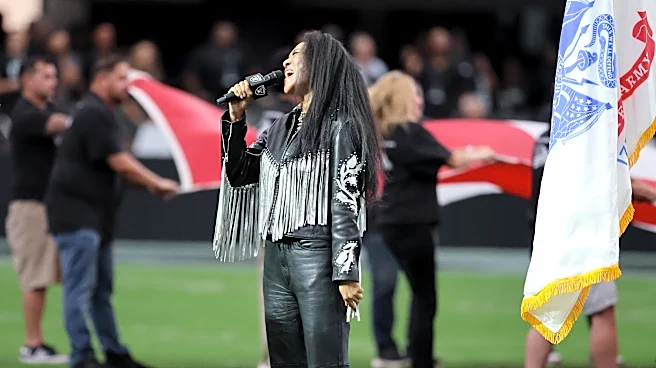
Decades after its revival, "God Bless America" continues to hold a significant place in American culture. Its presence is notably felt at Major League Baseball games, where it is frequently played, becoming an integral part of the game-day experience. This tradition underscores the song's enduring appeal and its ability to evoke a sense of national pride in various public settings. The song's inclusion in such widely attended events ensures its continued exposure to new generations of Americans.
Beyond sporting events, the song has also been performed at other major American gatherings, such as the Indianapolis 500, where it has been a fixture since 2003. This consistent presence at high-profile events further illustrates its status as a beloved patriotic anthem. The song's adaptability and timeless message have also led to its interpretation by various artists, including cover versions by renowned singers like Céline Dion and LeAnn Rimes, showcasing its lasting musical influence.
A Symbol of Unity and Remembrance
The song's capacity to serve as a symbol of unity was powerfully demonstrated in the aftermath of the September 11 attacks. In 2001, "God Bless America" was featured on a charity album released to support the families of first responders who lost their lives during the tragic events. This compilation, titled "God Bless America," included a new arrangement performed by Céline Dion, which became the title track. The album debuted at number one on the Billboard 200, selling 181,000 copies in its first week, marking it as the first charity album to reach the top spot since 1985. This moment highlighted the song's ability to bring people together during times of national crisis and its role in collective remembrance and healing. The album's success, alongside other patriotic and inspirational songs, reflected a national mood seeking comfort and solidarity.