








Lift-induced drag is a crucial concept in aerodynamics, particularly when it comes to the performance of aircraft. This type of drag occurs whenever a moving object, such as an airplane, redirects airflow to generate lift. While lift is essential for flight, the process of creating it also results in drag, which can affect the efficiency and speed of an aircraft. Understanding how lift-induced drag works and how it can be minimized is vital for improving
aircraft design and performance.
The Basics of Lift-Induced Drag
Lift-induced drag, also known as vortex drag, is a byproduct of the lift generated by an aircraft's wings. When an airplane's wings redirect airflow to create lift, they also create vortices at the wingtips. These vortices are the result of high-pressure air from beneath the wing spilling over to the low-pressure area above the wing. This movement of air creates a swirling motion that increases drag on the aircraft.
The amount of lift-induced drag is influenced by several factors, including the angle of attack and the speed of the aircraft. At higher angles of attack, the wings generate more lift, but they also produce more drag. Conversely, by increasing speed and reducing the angle of attack, an aircraft can maintain the same amount of lift while reducing drag. This balance is crucial for optimizing flight efficiency.
Minimizing Lift-Induced Drag
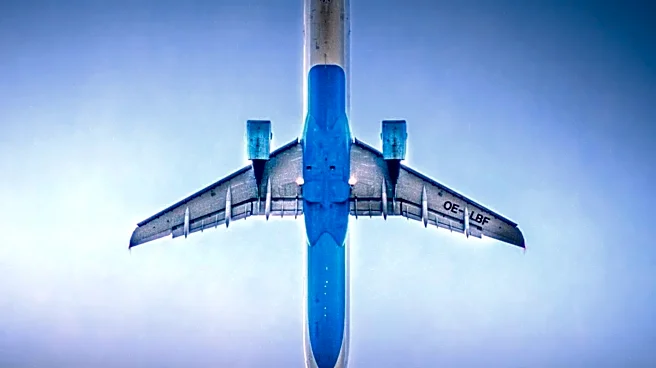
One of the primary ways to minimize lift-induced drag is by optimizing the wingspan of an aircraft. A longer wingspan can reduce the strength of the vortices created at the wingtips, thereby decreasing drag. Additionally, the use of wingtip devices, such as winglets, can help mitigate the effects of these vortices. Winglets are small, upward-curving extensions at the tips of the wings that help redirect airflow and reduce drag.
Another method to reduce lift-induced drag is by maintaining an optimal angle of attack. Pilots can adjust the angle of attack to find the sweet spot where lift is maximized, and drag is minimized. This requires careful monitoring and control of the aircraft's speed and altitude to ensure that the angle of attack remains within the optimal range.
The Impact on Aircraft Performance
Lift-induced drag plays a significant role in determining the overall performance of an aircraft. By understanding and managing this type of drag, engineers and pilots can improve fuel efficiency, increase speed, and enhance the range of an aircraft. Reducing lift-induced drag is particularly important for long-haul flights, where fuel efficiency is a critical factor.
In conclusion, lift-induced drag is an unavoidable aspect of flight, but it can be managed and minimized through careful design and operation of aircraft. By optimizing wingspan, using wingtip devices, and maintaining an optimal angle of attack, the effects of lift-induced drag can be reduced, leading to more efficient and effective flight.