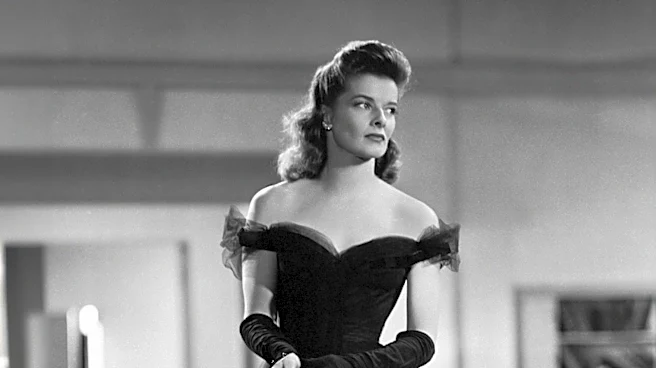









The 1932 American pre-Code drama film "A Bill of Divorcement" holds a special place in cinematic history as the vehicle for Katharine Hepburn's film debut. Directed by George Cukor, the movie provided a powerful platform for the actress to showcase her unique talent alongside seasoned star John Barrymore. Her portrayal of Sydney Fairfield, a young woman grappling with a devastating family secret, immediately established Hepburn as a formidable presence
in Hollywood, setting the stage for a legendary career. The film itself, based on a 1921 British play by Clemence Dane, offered a dramatic and emotionally charged narrative that allowed its cast, particularly Hepburn, to shine.
A Challenging Role for a Newcomer
Hepburn's character, Sydney Fairfield, is a 15-year-old English girl whose life is upended by the return of her mentally ill father, Hilary. The role demanded a nuanced performance, as Sydney not only faces the societal stigma associated with mental illness but also the terrifying prospect of inheriting her father's condition. The plot reveals that Sydney's father, Hilary, has been institutionalized for 15 years, and there's a strong suggestion that Sydney herself has inherited his psychiatric problems. This complex emotional landscape provided Hepburn with ample opportunity to demonstrate her range and intensity from her very first film.
Sydney's initial happiness, as she discusses her future with her fiancé Kit Humphreys, is quickly overshadowed by the unfolding family drama. The revelation that insanity runs in her family, and the doctor's stark pronouncement that Hilary's children should not have been born, forces Sydney to make a profound sacrifice. Hepburn's portrayal of Sydney's internal struggle, leading to her decision to break off her engagement to Kit, would have been a pivotal moment for audiences, showcasing her ability to convey deep emotional turmoil.
Shared Sensitivities and a Bittersweet Resolution
A key aspect of Hepburn's performance is her interaction with John Barrymore's character, Hilary. When Hilary escapes the asylum and returns home, he chats with Sydney. Their subsequent heated argument highlights their similarities as sensitive, free-spirited individuals. This connection underscores the tragic irony of Sydney's potential inheritance of his mental health issues, making her sacrifice even more poignant. Hepburn's ability to convey both the youthful exuberance and the profound sorrow of Sydney would have been crucial in making this dynamic believable.
Ultimately, Sydney's journey culminates in a bittersweet resolution. After Hilary realizes the extent of Meg's love for Gray and her unhappiness, he regains his will to do what is best. He has Sydney send Meg and Gray away, and when Sydney returns, they share a tearful embrace, agreeing to live together. The film concludes with them at the piano, cheerfully experimenting with new endings to Hilary's sonata, a piece Sydney had been unable to finish alone. This final scene, with Hepburn and Barrymore, solidifies the bond between father and daughter and provides a powerful, if somber, ending to Hepburn's memorable debut.