








Italian dressing, a staple in American cuisine, has a fascinating origin story rooted in the entrepreneurial spirit of Italian immigrants in the United States. Unlike its name might suggest, this vinaigrette-type salad dressing is not a traditional Italian condiment but rather an American innovation. Its journey began in a small Massachusetts restaurant in the mid-20th century, evolving from a beloved family recipe into a widely recognized commercial
product found on grocery store shelves across the nation. This transformation highlights how local culinary traditions can adapt and flourish within a new cultural landscape, eventually becoming an integral part of American dining.
The Birth of a Beloved Dressing in Framingham, Massachusetts
The story of North American style Italian salad dressing is thought to have started in 1941 in Framingham, Massachusetts. It was there that Florence Hanna, the daughter of Italian immigrants and wife of restaurateur Ken Hanna, created a special salad dressing for the house salads at their restaurant. This establishment, initially known as The '41 Cafe, would later relocate and become famous as Ken's Steak House. Florence Hanna's dressing was a vinaigrette-type concoction, typically consisting of water, vinegar or lemon juice, vegetable oil, chopped bell peppers, sugar or corn syrup, and a blend of herbs and spices, including oregano, fennel, dill, and salt. Sometimes, onion and garlic were also added to enhance its flavor profile.
The dressing quickly gained immense popularity among the restaurant's patrons. Its unique taste and fresh ingredients made it a standout, leading to an ever-increasing demand. To keep up with this popularity, Florence Hanna began making large batches of her family's salad dressing. These substantial quantities were prepared in large vats located in the basement of Ken's Steak House, ensuring a steady supply for the restaurant's many customers. This early success laid the groundwork for what would become a much larger enterprise, demonstrating the immediate appeal of this distinct American-Italian flavor.
From Restaurant Favorite to Bottled Brand
The popularity of Florence Hanna's Italian dressing soon extended beyond the confines of Ken's Steak House. Customers, eager to enjoy the dressing at home, began requesting it "to go." This growing demand signaled a significant opportunity for commercial expansion. Recognizing the potential of this beloved condiment, the Crowley family, who owned a nearby manufacturing business, approached the Hanna family. Their proposal was to bottle the popular salad dressing, making it accessible to a much wider audience than just restaurant diners.
This collaboration marked a pivotal moment in the history of Italian dressing. The partnership between the Hannas and the Crowleys resulted in the creation of Ken's Salad Dressing. What began as a single, popular house dressing has since expanded significantly. Today, Ken's Salad Dressing is a well-known brand that offers ten different varieties, showcasing the enduring legacy of Florence Hanna's original recipe and the successful commercialization of an American culinary innovation. This evolution from a local restaurant specialty to a nationally recognized brand illustrates the power of a good recipe combined with strategic business development.
The Composition and Variants of American Italian Dressing
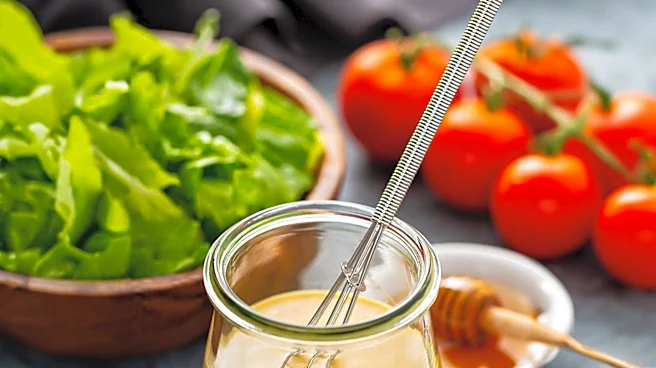
American Italian dressing, as defined in American cuisine, is fundamentally a vinaigrette. Its core ingredients include water, vinegar or lemon juice, vegetable oil, chopped bell peppers, and a sweetener like sugar or corn syrup. A distinctive blend of herbs and spices, such as oregano, fennel, dill, and salt, gives it its characteristic flavor. Occasionally, onion and garlic are also incorporated. This specific combination sets it apart from traditional Italian salad preparations, which typically involve dressing salad at the table with olive oil, vinegar or lemon juice, salt, and sometimes balsamic vinegar, rather than a premixed vinaigrette.
Beyond the classic vinaigrette style, a creamy Italian variant has also emerged. This version introduces milk products and stabilizers to achieve a thicker, more opaque consistency. Both the traditional and creamy types are commonly purchased bottled, offering convenience to consumers. Alternatively, they can be prepared at home by mixing oil and vinegar with a packaged flavoring mix that contains dehydrated vegetables and herbs. This versatility in preparation and availability has contributed to Italian dressing's widespread use, not only as a salad dressing but also as a marinade for meats and vegetables, an ingredient in stir-fries and sandwiches, and even in pasta salads, highlighting its diverse applications in American cooking.