



The Silent Parade of 1917 was not just a protest against racial violence; it was a powerful demonstration of African American unity and solidarity. Organized by the NAACP and other African American groups, the parade brought together thousands of participants in a silent march through New York City, highlighting the collective strength and resolve of the community.
The Call for Unity
The Silent Parade was organized in response to a series of racially motivated attacks,
including the East St. Louis massacre and lynchings in Waco and Memphis. These events underscored the urgent need for African Americans to unite in their fight against systemic discrimination. The NAACP, founded in 1909, played a central role in mobilizing the community and advocating for equal rights.
James Weldon Johnson, the NAACP's Field Secretary, worked with community leaders to plan the march. The idea of a silent protest was inspired by Oswald Garrison Villard's suggestion during an NAACP conference, drawing on his mother's silent march against war in 1914. The parade was organized by a committee of representatives from the NAACP, churches, and businesses, with prominent African American leaders serving as marshals.
The Silent March
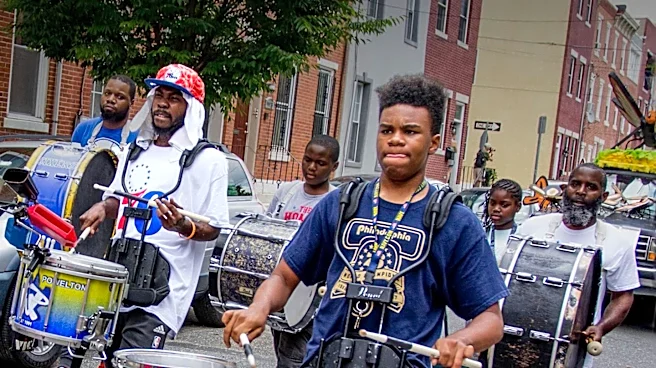
On July 28, 1917, an estimated 8,000 to 15,000 African Americans marched silently down Fifth Avenue, from 57th Street to Madison Square. The procession was accompanied by a muffled drumbeat, creating a solemn atmosphere that emphasized the seriousness of their protest. The parade was intended to be a demonstration of African American unity, and while white people were not explicitly excluded, none participated.
The organizers distributed leaflets titled "Why We March," outlining their grievances and demands. They called for justice for the victims of racial violence and urged President Woodrow Wilson to support federal anti-lynching legislation. Despite the parade's impact, Wilson did not act on their demands, and lynchings continued into the 1960s.
The Enduring Legacy of Unity
The Silent Parade was widely publicized and drew significant attention to the plight of African Americans. It marked a turning point in the civil rights movement, demonstrating the power of peaceful protest and the importance of solidarity. Although the immediate goals of the parade were not achieved, it laid the groundwork for future civil rights activism.
The parade's legacy is a testament to the resilience and determination of African Americans in their fight for justice and equality. It serves as a reminder of the ongoing struggle against racial discrimination and the need for continued advocacy and action.