



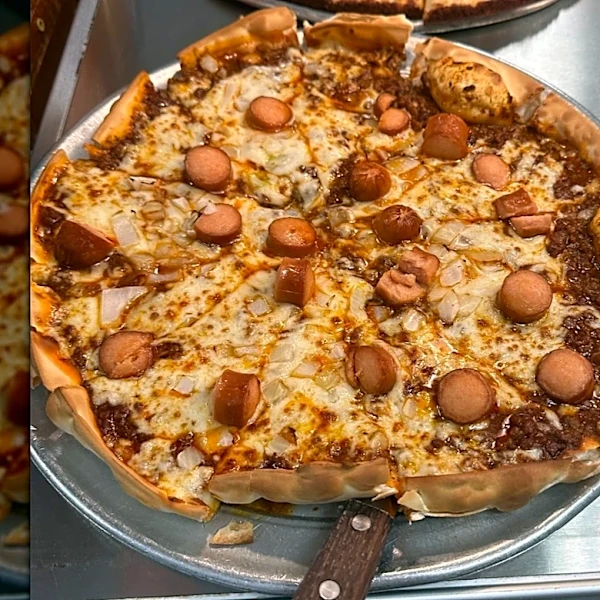





The hot dog, a staple of American street food and cultural events, boasts a rich history that traces its origins back to Germany before finding its true home and widespread popularity in the United States. What began as a simple sausage, known by names like wiener or frankfurter, evolved into a beloved dish served in a bun, becoming synonymous with casual dining and festive gatherings across the nation. This culinary journey highlights how a traditional
European foodstuff was transformed into an iconic American experience.
German Origins of the Sausage
The foundation of the hot dog lies in German sausage-making traditions. The term "wiener" directly refers to Vienna, Austria, which is known for a sausage made from a mixture of pork and beef. Similarly, the "frankfurter" or "Frankfurter Würstchen" has its roots in the Franconian city of Coburg. Johann Georg Lahner, an 18th/19th-century butcher from Coburg, is credited with bringing the Frankfurter Würstchen to Vienna. There, he adapted the recipe by adding beef to the mixture and simply called it "Frankfurter," further solidifying its place in European culinary history.
These sausages, whether wieners or frankfurters, were culturally imported from Germany to the United States. Their arrival marked the beginning of their transformation into the American hot dog. Initially, they were likely enjoyed in ways similar to their European counterparts, but it was their eventual pairing with a bun that would cement their unique identity in American cuisine.
The American Innovation: Sausage in a Bun
While the sausages themselves have clear German origins, the exact moment and person responsible for serving them in a bun remain a subject of historical debate and anecdotal accounts. One popular version attributes the innovation to Antoine Feuchtwanger, also known as Anton Ludwig Feuchtwanger. He is said to have served sausages in rolls at a World's Fair, either the 1904 Louisiana Purchase Exposition in St. Louis or, earlier, the 1893 World's Columbian Exposition in Chicago.
The motivation behind this change was practical: customers were reportedly keeping the white gloves provided to protect their hands from the hot sausages as souvenirs, causing Feuchtwanger to lose money. His wife then suggested serving the sausages in a roll instead, providing a convenient and disposable way for customers to enjoy the food. This simple yet ingenious solution not only solved a business problem but also laid the groundwork for the hot dog as we know it today.
From Street Food to Cultural Phenomenon
Once the sausage-in-a-bun concept took hold, the hot dog quickly became a working-class street food in the U.S., sold from stands and carts. Its affordability and portability made it an ideal meal for people on the go. Over time, the hot dog transcended its humble beginnings to become deeply embedded in American culture.
Today, the hot dog is more than just a meal; it's a cultural icon. Traditions like the Nathan's Hot Dog Eating Contest and the Oscar Mayer Wienermobile are testaments to its enduring popularity and unique place in the American consciousness. The term "hot dog" itself can refer to both the sausage alone and the complete combination of sausage and bun, highlighting its singular identity in the American culinary landscape.