




Apollo 7 stands as a monumental achievement in the history of spaceflight, not for reaching the Moon, but for proving that NASA's Apollo program was back on track and ready for the challenge. Launched on October 11, 1968, this mission was the first crewed flight of the Apollo spacecraft, specifically designed to test the re-engineered Block II Apollo Command/Service Module (CSM) in Earth orbit. Its success was critical in rebuilding confidence within
NASA and the public after the devastating Apollo 1 fire. The mission's primary goal was to rigorously evaluate the spacecraft's life-support, propulsion, guidance, and control systems, demonstrating their reliability for the ambitious lunar missions that lay ahead.
Rebuilding Trust After Tragedy
The Apollo 1 fire in January 1967 had a profound impact on the Apollo program, leading to a complete redesign of the Command Module and a thorough re-evaluation of safety protocols. Apollo 7 was the culmination of these efforts, serving as the ultimate test of the new Block II CSM. The crew, Wally Schirra, Donn F. Eisele, and Walter Cunningham, understood the immense responsibility they carried. Their mission was not just about technical checks; it was about proving that the spacecraft was safe and capable of supporting human life for extended periods in space. The "open-ended" nature of the mission, allowing for tests to be extended as needed, underscored the program's commitment to thoroughness and safety.
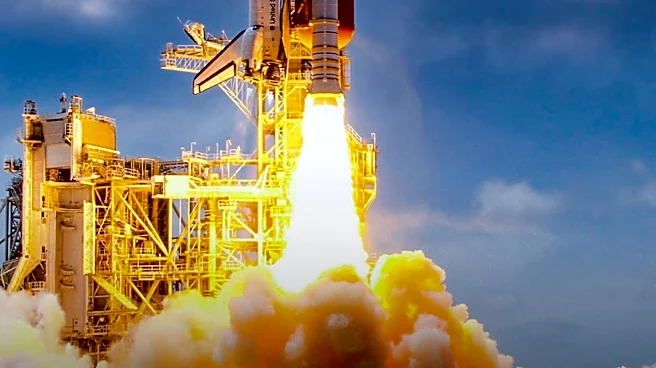
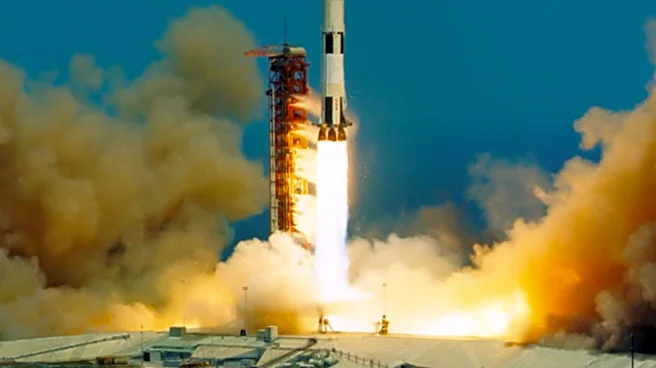
The successful launch from Cape Canaveral Launch Complex 34 using a Saturn IB vehicle was a visible sign of progress. Over the course of eleven days, the crew meticulously performed every test, providing invaluable data on the spacecraft's performance. This meticulous approach and the positive results were instrumental in restoring faith in the Apollo program's ability to achieve its lunar objectives. Without Apollo 7's success, the subsequent lunar missions, including Apollo 8's pioneering journey to lunar orbit, would have been far less likely to proceed on schedule.
Paving the Way for Apollo 8
The success of Apollo 7 was a direct precursor to the bold decision to launch Apollo 8 into lunar orbit just two months later. The comprehensive testing of the Block II CSM's systems, particularly the Service Propulsion System (SPS) engine, was crucial. The SPS engine, vital for maneuvers in lunar orbit and the return journey to Earth, was fired multiple times during Apollo 7, demonstrating its reliability. This performance data gave NASA the confidence that the propulsion system could execute the complex burns required for a lunar mission.
Furthermore, the crew's experience with the spacecraft's life support, guidance, and control systems provided essential operational knowledge. The ability to live and work effectively in the spacecraft for eleven days, managing all its complex systems, proved that astronauts could endure the longer durations required for lunar travel. The mission's positive assessment directly informed the decision-makers that the Apollo hardware and operational procedures were mature enough for the next, more ambitious step: sending humans beyond Earth orbit for the first time. Apollo 7 thus served as the indispensable bridge between Earth-orbital testing and lunar exploration.