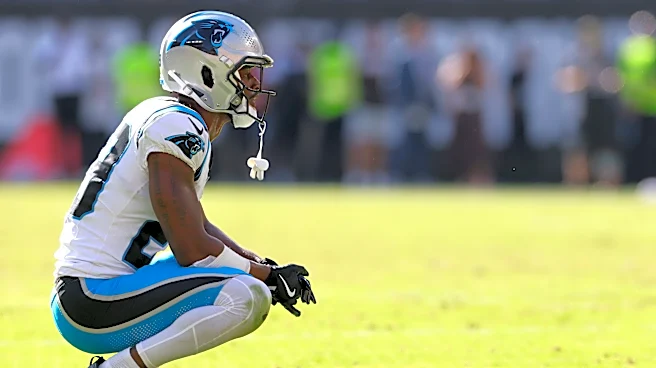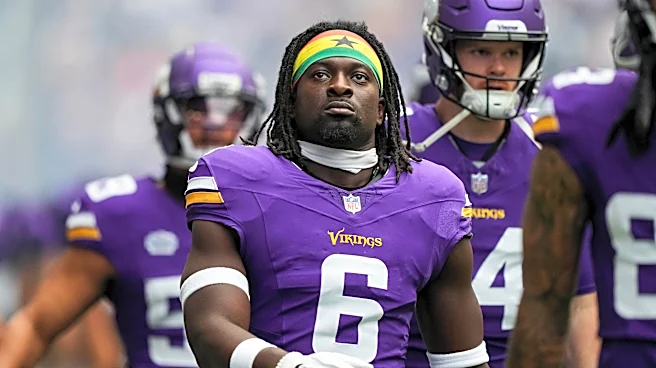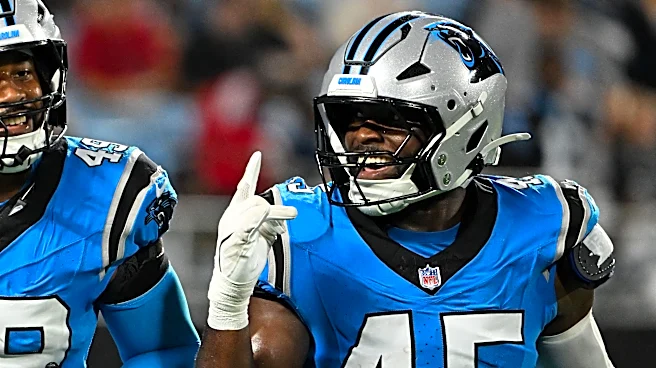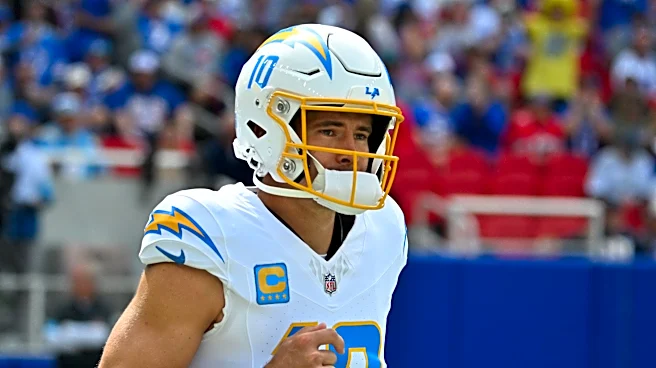




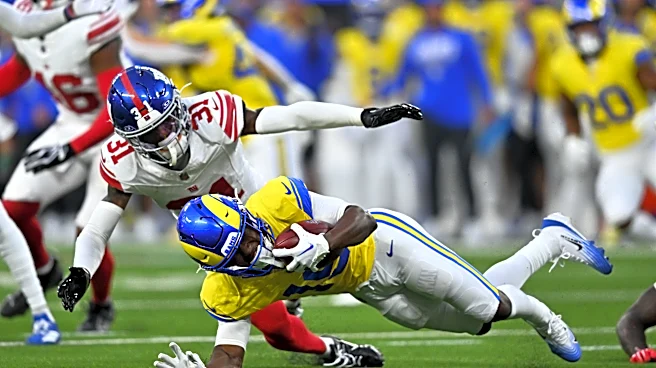
American football is a sport of intricate strategy, where each of the eleven players on the field has a specialized role crucial to the team's success. From the offensive line protecting the quarterback to the defensive backs covering receivers, and the special teams executing critical kicking plays, every position demands specific skills and responsibilities. Understanding these roles is key to appreciating the complex dynamics of the game, which
allows for unlimited substitutions, meaning the lineup can change dramatically depending on the situation.
The Offensive Unit: Driving Downfield
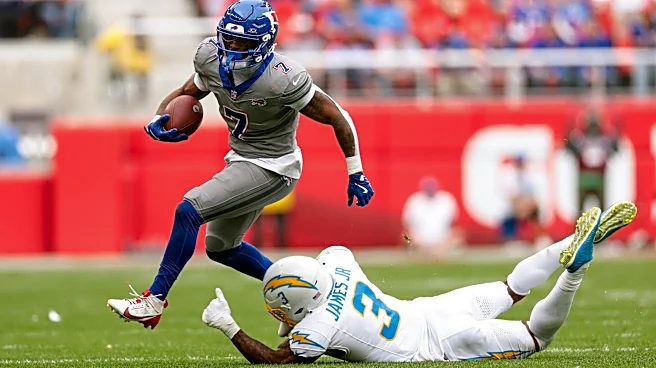
The offensive team's primary goal is to advance the ball and score points, typically a touchdown or a field goal. This unit is led by the quarterback (QB), who is often the leader of the offense and calls plays, either independently or based on coaching instructions. The quarterback lines up behind the center to receive the snap and then decides whether to hand off the ball, throw it, or run with it. The play ends when the ball carrier is tackled, goes out of bounds, or an incomplete pass hits the ground.Supporting the quarterback are the running backs (RB) and fullbacks (FB). Running backs are primarily responsible for carrying the ball on running plays and can also serve as receivers. Fullbacks, generally larger, function mainly as blockers but are occasionally used as runners in short-yardage or goal-line situations, though they are seldom used as receivers. The offensive line (OL), consisting of the center, guards (G), and tackles (T), forms the protective barrier. Their main function is to block defensive players from tackling the ball carrier or sacking the quarterback. The center is particularly vital, not only for blocking and snapping the ball but also for handling line adjustments and pre-snap strategy. Wide receivers (WR) and tight ends (TE) are the principal receivers. Wide receivers line up outside the offensive line, aiming to catch passes, but also act as decoys or blockers. Tight ends line up next to the offensive line, serving as both receivers and blockers.
The Defensive Unit: Stopping the Opposition
The defensive team's objective is to prevent the offense from scoring and to regain possession of the ball. The defensive line (DL) comprises defensive ends (DE) and defensive tackles (DT). Defensive ends position themselves at the ends of the defensive line, while defensive tackles are on the inside. Their main responsibilities include stopping running plays, pressuring the quarterback, and occupying the offensive line to create opportunities for linebackers.Behind the defensive line are the linebackers, divided into middle linebackers (MLB) and outside linebackers (OLB). Linebackers often serve as defensive leaders, calling plays due to their vantage point of the offensive backfield. Their roles are diverse, encompassing defending against the run, pressuring the quarterback, and tackling offensive players like backs, wide receivers, and tight ends. The defensive backfield, also known as the secondary, includes cornerbacks (CB) and safeties (S). Cornerbacks typically line up opposite receivers to cover them, while safeties, including free safeties (FS) and strong safeties (SS), position themselves farther back. Safeties are considered the "last line of defense," crucial for stopping deep passing plays and preventing breakout running plays.
Special Teams: The Kicking Game
Special teams units are responsible for all kicking plays, which are critical moments that can significantly impact field position and scoring. The team with possession attempts field goals, punts, and kickoffs, while the opposing unit aims to block or return them. Three positions are specific to the field goal and PAT (point after touchdown) unit: the placekicker (K or PK), holder (H), and long snapper (LS). The long snapper delivers the ball to the holder, who then places it for the kicker. While kickoffs are typically from a tee, a holder might be used in specific situations, such as strong winds.Punt plays involve the punter (P), long snapper, upback, and gunner. The long snapper snaps the ball directly to the punter, who drops and kicks it before it hits the ground. Gunners, lining up outside the line, race downfield to tackle the punt returner (PR), the player who catches the punt. Upbacks provide additional protection to the punter, lining up a short distance behind the line of scrimmage. The kick returner (KR) is the player on the receiving team who catches the ball during kickoffs. These specialized roles highlight the strategic depth and precision required in every facet of American football.