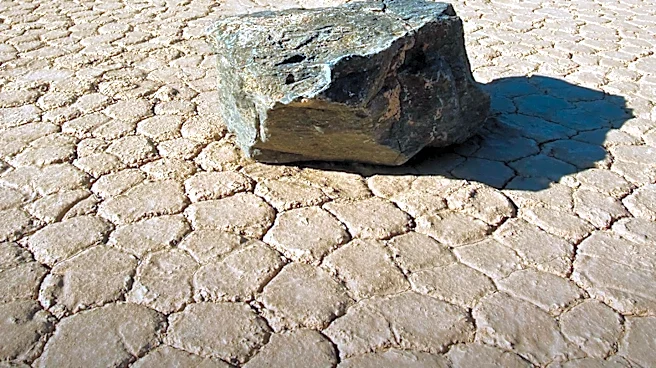








Death Valley National Park, officially established in 1994, is a testament to the efforts to preserve one of the most unique landscapes in the United States. Spanning parts of California and Nevada, the park is known for its extreme temperatures and diverse ecosystems. The journey to its establishment reflects a commitment to conservation and appreciation of natural beauty.
Early Conservation Efforts
Before its designation as a national park, Death Valley was recognized for its unique
environmental features and the need for protection. The area was initially designated as a national monument in 1933, highlighting its significance and the desire to preserve its natural state. This early recognition laid the groundwork for future conservation efforts.
The national monument status helped protect the region from development and exploitation, allowing its ecosystems to remain largely intact. Over the years, the importance of preserving Death Valley's unique landscapes became increasingly apparent, leading to discussions about elevating its status to a national park.
Transition to National Park Status
The transition from a national monument to a national park was a significant milestone in the history of Death Valley. In 1994, the area was officially designated as Death Valley National Park, expanding its protected boundaries and ensuring greater conservation efforts. This change was driven by the recognition of the park's ecological and geological importance.
The establishment of the national park status brought increased attention to the region, attracting visitors and researchers interested in its unique features. The park's designation also facilitated better management and preservation strategies, ensuring that its diverse ecosystems and geological formations were safeguarded for future generations.
Impact of National Park Designation
Since its establishment, Death Valley National Park has become a popular destination for tourists and nature enthusiasts. The park's status has helped raise awareness about the importance of conservation and the need to protect natural landscapes. Visitors are drawn to the park's extreme temperatures, unique flora and fauna, and stunning vistas.
The national park designation has also contributed to the local economy, with tourism providing a source of income for nearby communities. The park's management focuses on balancing visitor access with conservation efforts, ensuring that the natural beauty of Death Valley is preserved while allowing people to experience its wonders.
Overall, the establishment of Death Valley National Park marks a significant achievement in conservation history. It reflects the ongoing commitment to preserving natural landscapes and highlights the importance of protecting unique environments for future generations.