



The Mars 2020 mission represents a significant leap in our exploration of the Red Planet. Launched by NASA, this mission aims to uncover the mysteries of Mars through advanced technology and innovative engineering. With the Perseverance rover and the Ingenuity helicopter, Mars 2020 is set to explore the Martian surface like never before. This article delves into the mission's design, objectives, and the groundbreaking technology that makes it possible.
Mission Design and Components
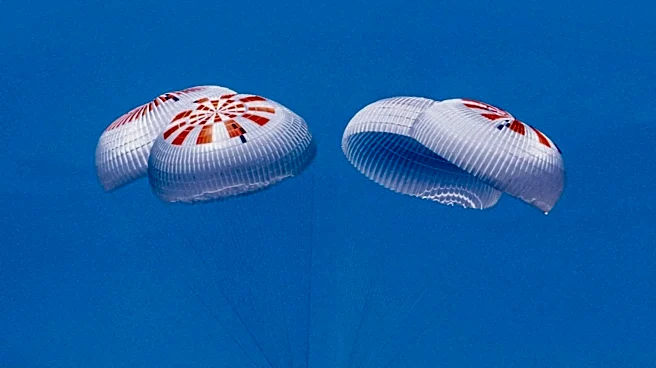
The Mars 2020 mission is composed of three major components: the cruise stage, the Entry, Descent, and Landing System (EDLS), and the rover itself. The cruise stage is responsible for the journey between Earth and Mars, ensuring that the spacecraft reaches its destination safely. The EDLS, which includes an aeroshell, parachute, descent vehicle, and the Skycrane landing system, is crucial for the rover's safe landing on the Martian surface.
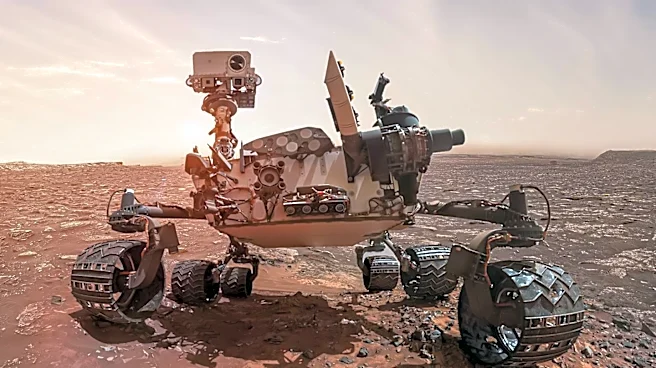
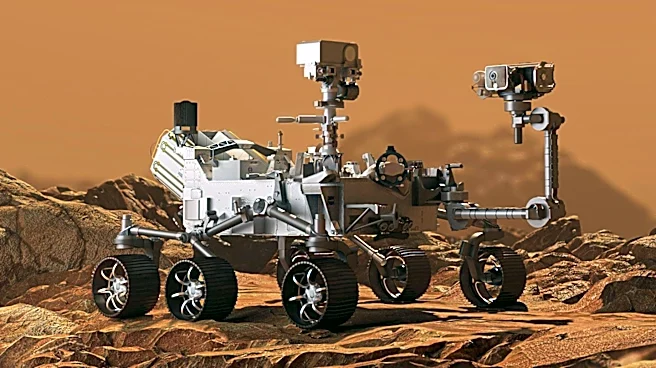
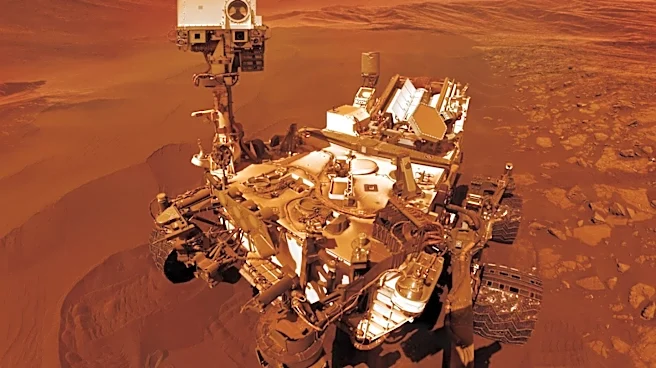
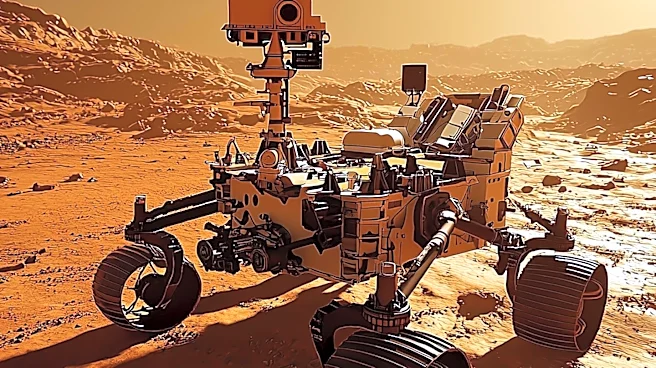
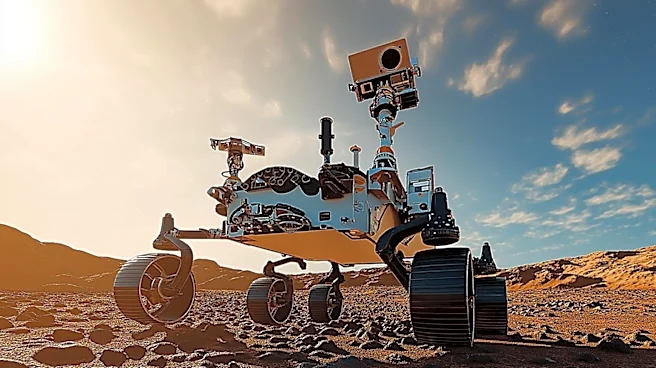
The rover, named Perseverance, is based on the design of its predecessor, Curiosity. However, it features several upgrades, including a new guidance and control technique called Terrain Relative Navigation. This system allows for precise steering during the final moments of landing, significantly improving the accuracy of the landing site. The rover is equipped with a Multi-mission Radioisotope Thermoelectric Generator (MMRTG) that provides a reliable power source, allowing it to operate even during the harsh Martian winter and dust storms.
Objectives and Scientific Goals
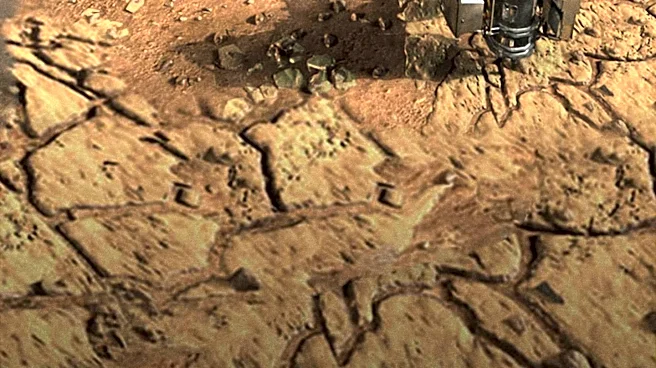
The primary objective of the Mars 2020 mission is to search for signs of ancient life and collect samples of Martian soil and rock for future return to Earth. The mission aims to explore the Jezero Crater, an ancient lakebed that may hold clues to past microbial life. By analyzing the geological features and collecting samples, scientists hope to gain a better understanding of Mars' history and its potential to support life.
In addition to its scientific goals, the mission also aims to test new technology that could pave the way for future human exploration of Mars. The MOXIE experiment, for example, is designed to produce oxygen from the Martian atmosphere, a critical step for sustaining human life on Mars.
The Ingenuity Helicopter
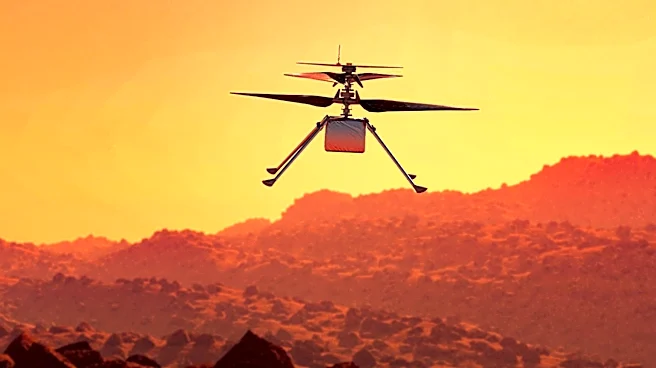
A unique aspect of the Mars 2020 mission is the inclusion of the Ingenuity helicopter. This small, autonomous rotorcraft is designed to demonstrate the feasibility of powered flight in the thin Martian atmosphere. Ingenuity's successful flights could open up new possibilities for aerial exploration on Mars, allowing scientists to cover more ground and access areas that are difficult for rovers to reach.
Ingenuity's mission is primarily a technology demonstration, but its success could have far-reaching implications for future missions. By proving that flight is possible on Mars, Ingenuity paves the way for more advanced aerial vehicles that could assist in scientific exploration and even support human missions in the future.