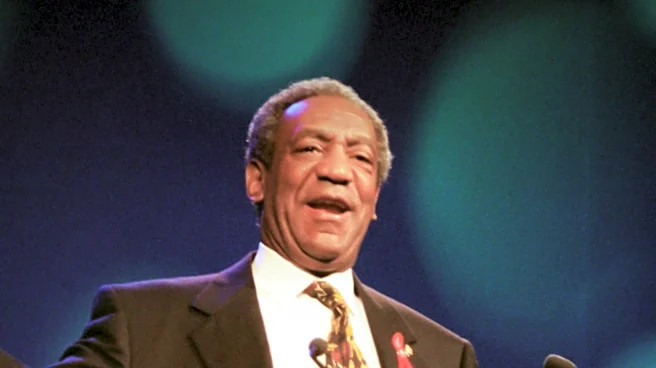

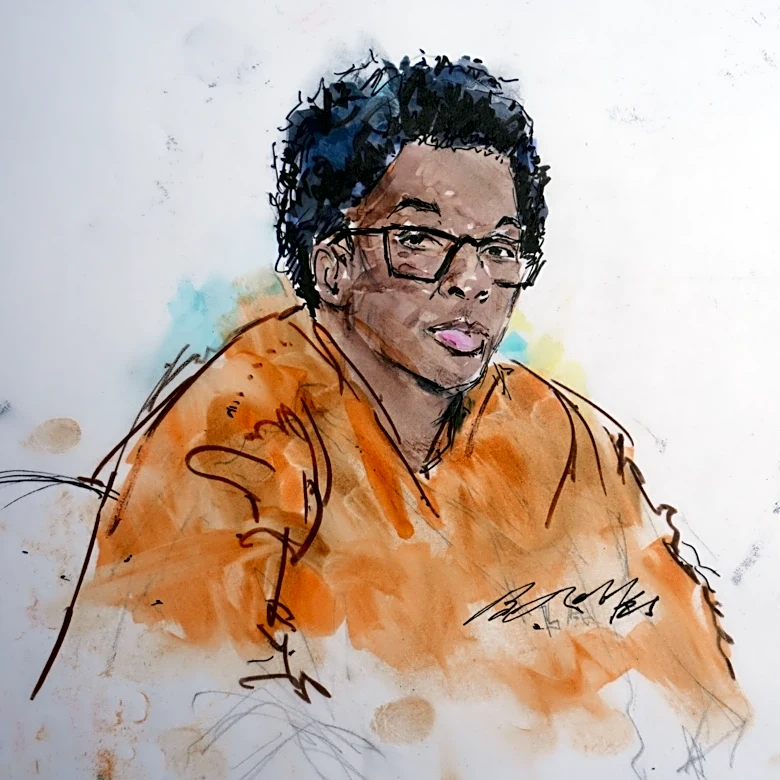


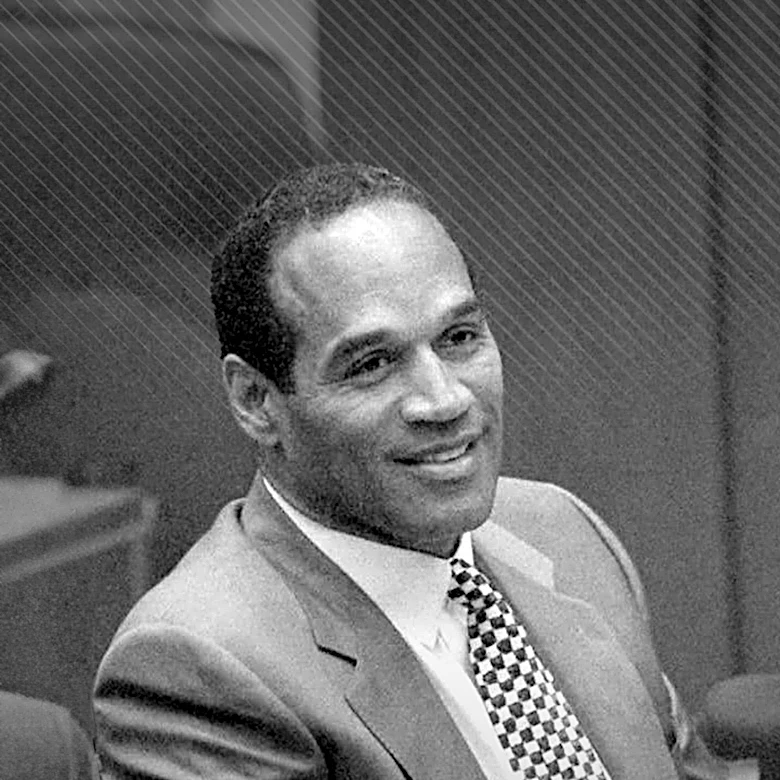



Bill Cosby, once a beloved figure in American entertainment, faced a series of legal challenges that culminated in a high-profile trial and subsequent appeals. The legal proceedings against Cosby were marked by significant developments, including a mistrial, a conviction, and a controversial overturning of the verdict. This article delves into the intricate legal journey of Bill Cosby, focusing on the trials and appeals that defined his case.
The Initial Trial and Conviction
Bill
Cosby's legal troubles began with allegations from Andrea Constand, a former Temple University employee, who accused him of drugging and sexually assaulting her in January 2004. The case gained traction when criminal charges were filed against Cosby in December 2015, marking the first criminal charges stemming from numerous allegations against him. The first trial, held in June 2017, ended in a mistrial due to the jury's inability to reach a unanimous verdict.
The retrial took place in April 2018, where Cosby was found guilty of three counts of aggravated indecent assault. The conviction was a significant moment in the legal proceedings, as it marked the first time Cosby was held criminally accountable for his actions. On September 25, 2018, he was sentenced to three to ten years in state prison and fined $25,000, along with the cost of prosecution.
Appeals and Overturning of Conviction
Following his conviction, Cosby appealed the verdict, arguing that his due process rights had been violated. The appeal process was lengthy and complex, involving multiple legal arguments and reviews. On June 30, 2021, the Pennsylvania Supreme Court overturned Cosby's conviction, citing an agreement with a previous prosecutor that prevented him from being charged in the case. This decision was based on the interpretation that Cosby's due process rights were violated, as he had been led to believe he would not face prosecution.
The overturning of the conviction was met with mixed reactions, with some viewing it as a miscarriage of justice, while others saw it as a rightful correction of legal errors. The decision prevented Cosby from being tried on the same charges a third time, effectively ending the criminal proceedings against him.
The Impact and Ongoing Legal Issues
Despite the overturning of his conviction, Bill Cosby's legal troubles were far from over. He continued to face civil lawsuits from various accusers, with some cases resulting in financial settlements. The legal proceedings had a profound impact on Cosby's career and public image, leading to the revocation of honorary degrees and the pulling of his shows from syndication.
The legal journey of Bill Cosby serves as a complex case study in the intersection of celebrity, justice, and public opinion. It highlights the challenges of navigating legal systems, especially in cases involving high-profile individuals and multiple allegations. As the legal proceedings continue to unfold, they remain a significant chapter in the broader narrative of Bill Cosby's life and career.