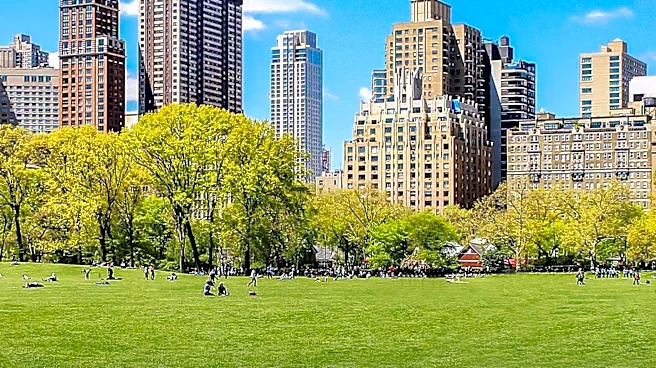



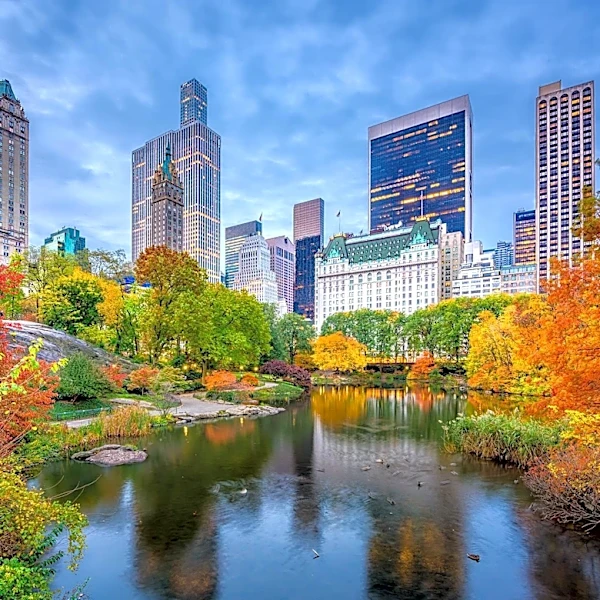






Central Park, a sprawling green space in the heart of Manhattan, is more than just a park; it is a cultural icon that has shaped the social fabric of New York City. Since its inception, Central Park has served as a gathering place for people from all walks of life, offering a space for recreation, relaxation, and cultural expression. This article examines the cultural and social impact of Central Park on the city and its residents.
A Democratic Space for All
From its early days,
Central Park was envisioned as a democratic space accessible to all New Yorkers, regardless of their social status. The park's design by Frederick Law Olmsted and Calvert Vaux emphasized inclusivity, with separate areas for different activities such as walking, horseback riding, and leisure. This vision of a public park where people of all backgrounds could mingle was revolutionary at the time and set a precedent for urban park design across the United States.
Central Park's role as a social equalizer is evident in its diverse range of visitors. The park provides a space where people from different neighborhoods and communities can come together, fostering a sense of unity and shared experience. This aspect of Central Park has contributed to its enduring popularity and cultural significance.
A Hub for Cultural Events
Central Park has long been a hub for cultural events and activities, attracting artists, musicians, and performers from around the world. The park's open spaces and iconic landmarks, such as the Naumburg Bandshell and Bethesda Terrace, provide ideal settings for concerts, theater performances, and art exhibitions.
One of the park's most famous cultural events is the SummerStage concert series, which features a diverse lineup of local and international artists. These free concerts draw large crowds and offer New Yorkers the opportunity to experience live music in a beautiful outdoor setting. The park's cultural offerings extend beyond music, with events such as Shakespeare in the Park and various art installations enriching the city's cultural landscape.
Central Park as a Symbol of New York City
Central Park has become a symbol of New York City, representing the city's commitment to preserving green spaces amidst urban development. The park's iconic status is reflected in its frequent appearances in films, television shows, and literature, where it often serves as a backdrop for stories set in the city.
The park's cultural impact extends beyond its physical boundaries, influencing the way New Yorkers and visitors perceive the city. Central Park embodies the spirit of New York, offering a place of respite and inspiration in the midst of the bustling metropolis. Its role as a cultural and social landmark continues to shape the identity of New York City, making it an integral part of the city's cultural landscape.