







Tweezers have transcended their traditional role as simple hand tools to become vital instruments in modern science and technology. Their precision and versatility make them indispensable in various fields, from electronics to medicine. This article explores the innovative applications of tweezers in contemporary scientific and technological contexts.
Scientific Applications
In scientific research, tweezers are often referred to as forceps and are used for handling small
and delicate objects. They play a crucial role in laboratories, where precision is paramount. For instance, in semiconductor technology, wafer tweezers are used to manipulate delicate components without causing damage.
In the field of aquascaping, tweezers are employed to arrange plants and decorations within aquariums, demonstrating their utility in both scientific and aesthetic applications. Additionally, tweezers are used in watchmaking, where their precision is essential for assembling intricate timepieces.
Technological Innovations
The evolution of tweezers has led to the development of specialized types for technological applications. Optical tweezers, for example, use a highly focused laser beam to hold and move microscopic objects like atoms and nanoparticles. This technology is used in biology and medicine to manipulate cells and molecules, offering insights into cellular processes and interactions.
Magnetic tweezers are another innovation, utilizing magnetic fields to manipulate and characterize biomolecules or polymers. They are used to study the mechanical properties of biological macromolecules like DNA and proteins, providing valuable data for research in molecular biology and biophysics.
Everyday Technology
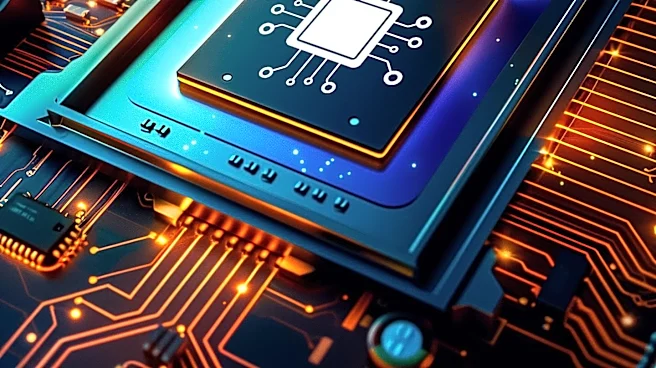
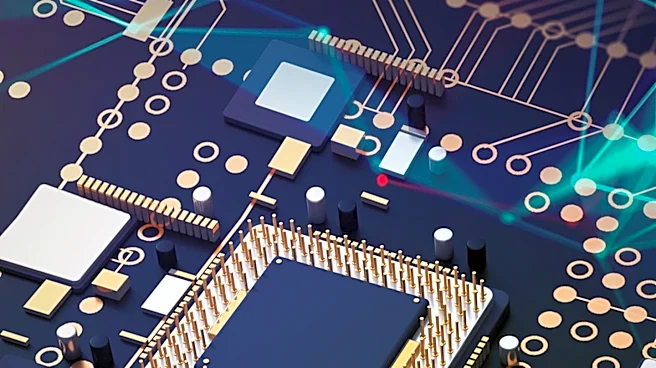
Beyond specialized scientific applications, tweezers are also integral to everyday technology. In electronics, they are used to handle small components, particularly surface-mount parts, during assembly and repair. Their precision allows technicians to place and solder components accurately, ensuring the functionality of electronic devices.
In the field of philately, stamp collectors use tweezers, known as stamp tongs, to handle postage stamps. The smooth jaws of these tweezers prevent damage to the stamps, preserving their condition and value. Similarly, in the culinary world, tweezers are used for food presentation and pin boning fish, highlighting their versatility across different domains.
Tweezers have become more than just simple tools; they are now integral to advancements in science and technology. Their ability to manipulate small objects with precision has opened new possibilities in research and innovation, proving that even the most basic tools can have a profound impact on modern science and technology.