



Ceres stands out as the largest object in the asteroid belt, a region filled with numerous celestial bodies. Its size and unique characteristics make it a subject of interest for astronomers and space enthusiasts alike. This article explores the physical attributes of Ceres and its significance within the asteroid belt.
Physical Characteristics of Ceres
Ceres is the largest and most massive object in the asteroid belt, with a diameter of approximately 950 kilometers. It accounts for
about a third of the total mass of the asteroid belt, underscoring its prominence among the numerous smaller bodies. Unlike many asteroids, Ceres is spherical, a shape attributed to its higher gravity compared to smaller, irregularly shaped asteroids.
Despite its size, Ceres is too dim to be seen with the naked eye, except under extremely dark skies. Its apparent magnitude ranges from 6.7 to 9.3, peaking at opposition when it is closest to Earth. This makes observing Ceres a challenge, requiring powerful telescopes to discern its surface features.
Ceres's Unique Status
Ceres holds the distinction of being the only recognized dwarf planet within the asteroid belt. Its orbit lies between Mars and Jupiter, making it the closest dwarf planet to the Sun. This proximity, combined with its size, contributes to its unique status among celestial bodies in the solar system.
Ceres is also notable for having no moons, a rarity among dwarf planets. This absence of natural satellites further distinguishes Ceres from other similar-sized objects, such as Pluto, which has multiple moons.
Exploration and Discoveries
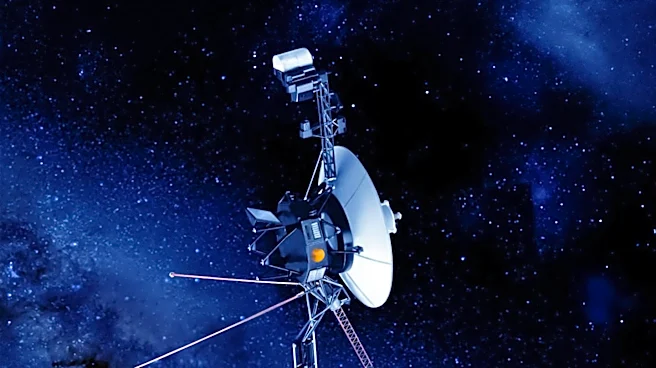
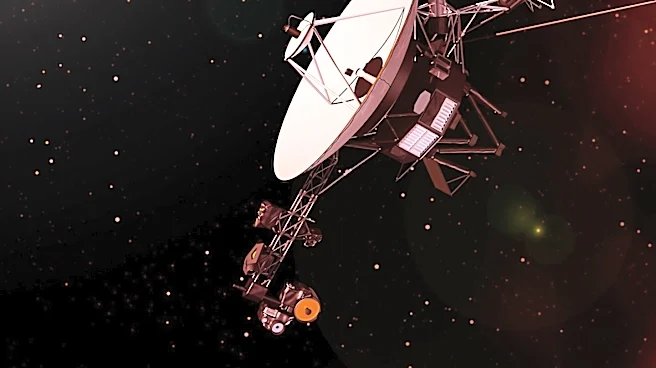
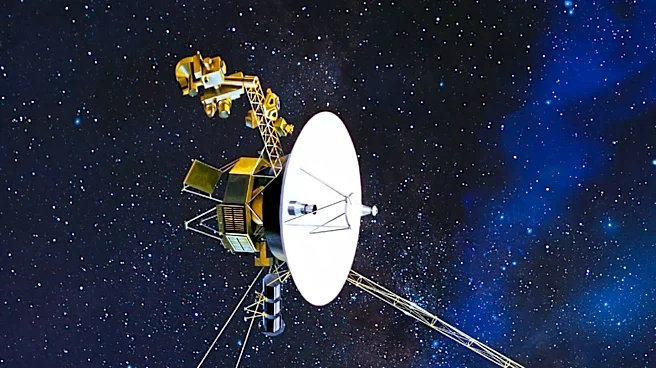
The exploration of Ceres has been greatly advanced by the Dawn spacecraft, which provided unprecedented insights into its surface and composition. Dawn's mission revealed the presence of bright salts within the crater Occator, a feature that has intrigued scientists and sparked further research into Ceres's geological activity.
The data collected by Dawn has enhanced the understanding of Ceres, confirming its status as a dwarf planet and shedding light on its physical characteristics. These findings have contributed to the broader knowledge of the asteroid belt and the diverse objects it contains.