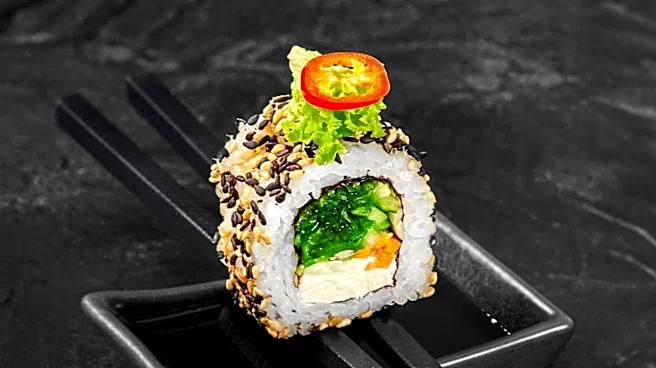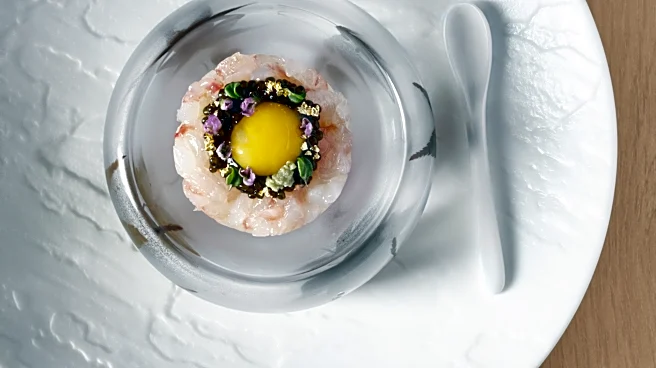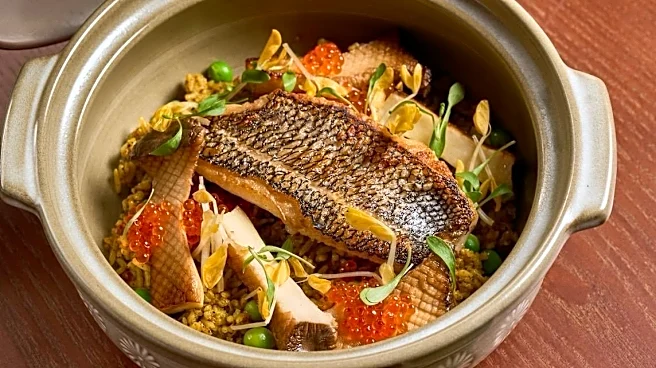








Sashimi is more than just a dish; it is a revered culinary tradition in Japan that showcases the artistry and precision of Japanese chefs. This delicacy consists of fresh raw fish or meat sliced into thin pieces, often accompanied by soy sauce and various garnishes. The preparation and presentation of sashimi are considered an art form, reflecting the cultural importance of this dish in Japanese cuisine.
Cultural Significance
Sashimi holds a special place in Japanese dining,
often served early in formal meals to highlight its delicate flavors before stronger tastes affect the palate. Japanese chefs regard sashimi as the finest dish in formal dining, emphasizing the importance of freshness and quality in its preparation. The term "sashimi" itself means "pierced body," a nod to the traditional method of harvesting fish, which involves a technique called ikejime. This process ensures the fish remains fresh longer by minimizing lactic acid buildup.
The cultural significance of sashimi is also evident in its presentation. The sliced seafood is typically draped over garnishes such as shredded daikon radish or shiso leaves, known as tsuma. These garnishes not only enhance the visual appeal of the dish but also complement its flavors, showcasing the harmony between nature and culinary art.
Preparation Techniques
The preparation of sashimi requires skill and precision, with chefs using specialized knives known as sashimi bōchō. These knives are designed to create clean, thin slices, essential for maintaining the texture and flavor of the raw fish. The hira-zukuri cut is the standard for most sashimi, while the usu-zukuri cut is used for firmer fish, allowing for extremely thin slices.
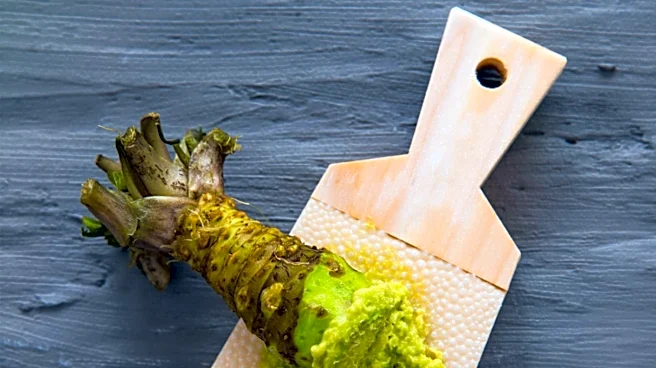
Chefs must consider various factors when preparing sashimi, such as the type of fish, its age, and the season. This attention to detail ensures that each slice of sashimi is a perfect representation of the chef's skill and the quality of the ingredients. The use of condiments like wasabi and soy sauce further enhances the flavors, with wasabi serving the dual purpose of adding spice and killing harmful bacteria.
Sashimi in Modern Cuisine
While sashimi remains a traditional dish, it has also found its place in modern cuisine, both in Japan and internationally. The dish's simplicity and focus on fresh ingredients have made it popular among health-conscious diners. Sashimi is often served in set meals with rice and miso soup, providing a balanced and nutritious dining experience.
The global popularity of sashimi has led to its inclusion in various culinary styles, with chefs experimenting with different types of fish and garnishes. Despite these innovations, the core principles of sashimi—freshness, precision, and presentation—remain unchanged, ensuring that this culinary tradition continues to be celebrated worldwide.