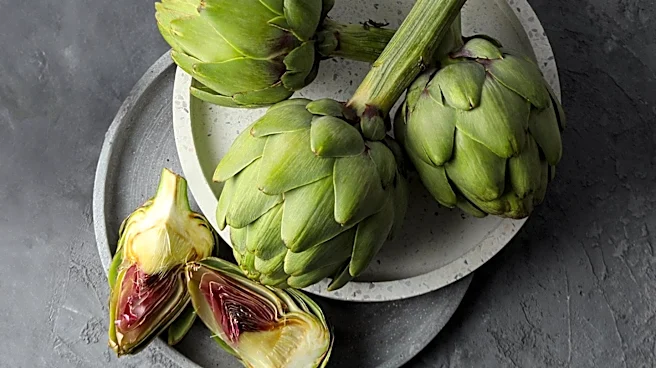







The globe artichoke, a culinary favorite derived from a species of thistle, offers more than just a unique taste and texture; it also boasts an impressive nutritional profile. This vegetable is a valuable addition to a balanced diet, providing essential vitamins, minerals, and beneficial phytochemicals. Understanding its composition reveals why the artichoke has been appreciated not only for its flavor but also for its contribution to overall well-being.
From its macronutrient breakdown to its rich supply of micronutrients, the artichoke stands out as a nutrient-dense food. Its relatively low calorie count combined with a significant amount of dietary fiber and other compounds makes it a compelling choice for health-conscious individuals. This exploration delves into the specific nutritional components that make the globe artichoke a noteworthy ingredient.
Macronutrients and Energy Content
When cooked, unsalted artichoke consists primarily of water, making up 82% of its composition. The remaining portion includes 12% carbohydrates, 3% protein, and 3% fat. In a 100-gram serving, cooked artichoke provides 310 kilojoules (74 kilocalories) of food energy. This balance of macronutrients contributes to its role as a wholesome food, offering energy without being excessively calorie-dense.
The carbohydrate content, while moderate, contributes to the artichoke's energy value. Its protein and fat percentages are relatively low, aligning with its classification as a vegetable. This macronutrient distribution makes it suitable for various dietary approaches, particularly those focusing on whole, unprocessed foods. The high water content also contributes to its hydrating properties and can aid in satiety.
Vitamins, Minerals, and Phytochemicals
Beyond its basic macronutrient profile, the globe artichoke is a rich source of several vital micronutrients. A 100-gram reference serving is considered a rich source (providing 20% or more of the Daily Value, DV) of folate. Folate is an important B vitamin involved in numerous bodily functions, including cell growth and metabolism.
Furthermore, the artichoke serves as a moderate source (providing 10–19% DV) of several other essential nutrients. These include vitamin K, copper, and magnesium, each contributing 10–14% of the DV. It also provides 18% of the DV for manganese. In addition to these vitamins and minerals, the artichoke contains many phytochemicals, which are plant compounds known for their potential health-promoting properties. These diverse nutritional components underscore the artichoke's value as a beneficial food choice.